
Last updated November 15, 2026
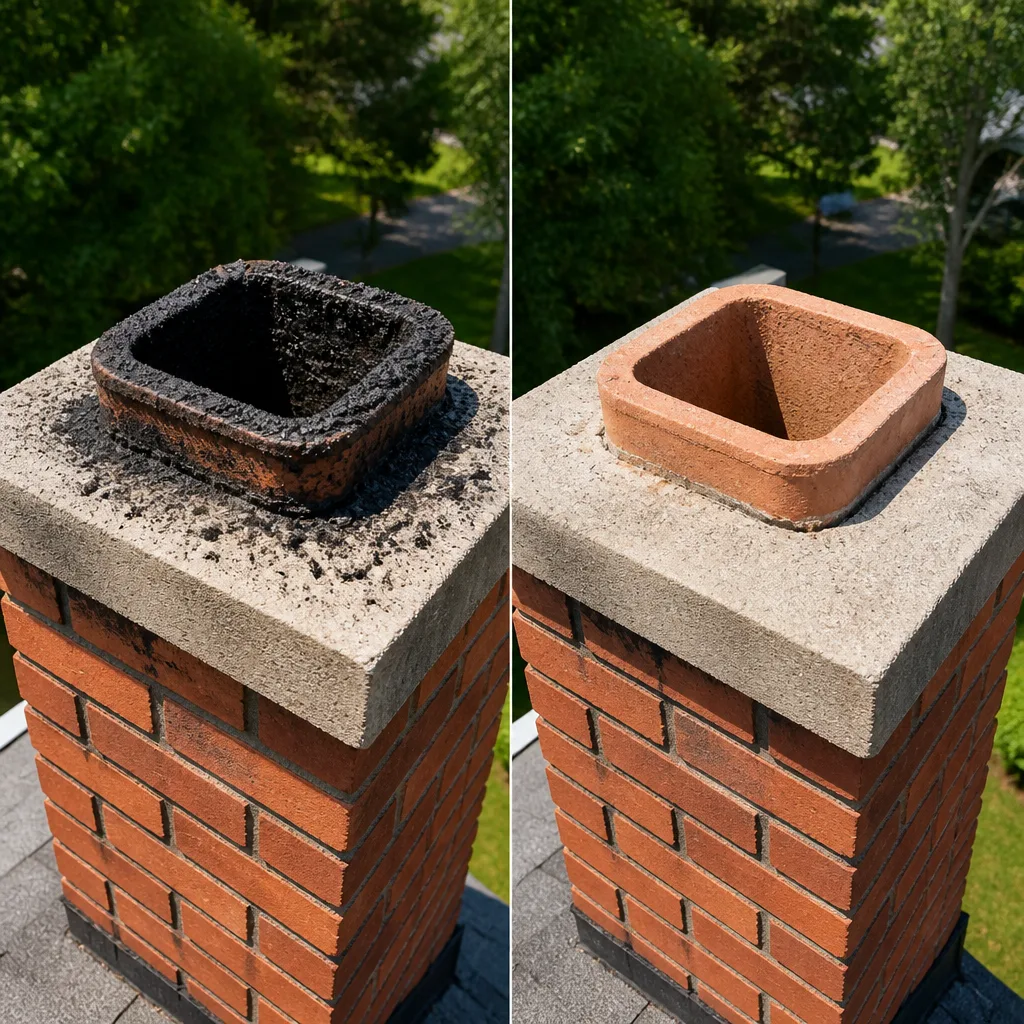 Sweep & inspection
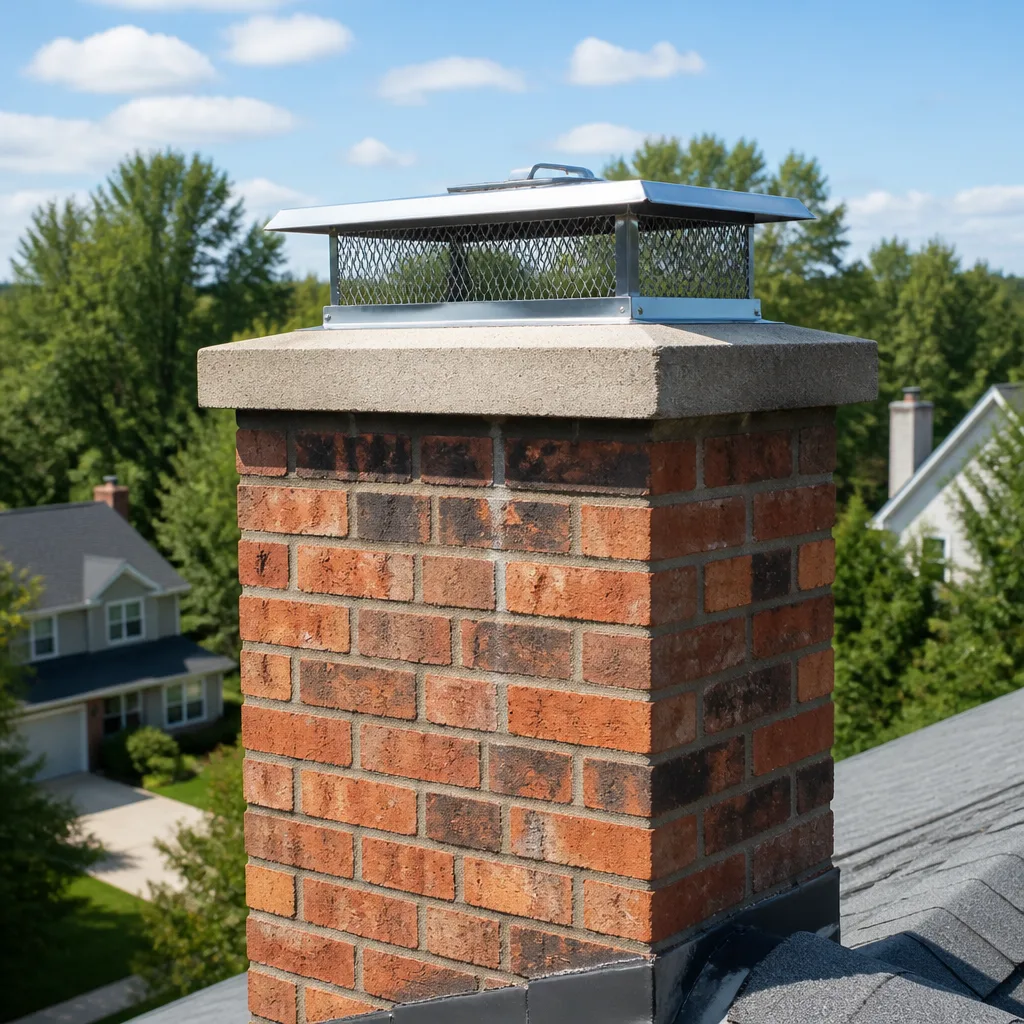 Caps & crowns
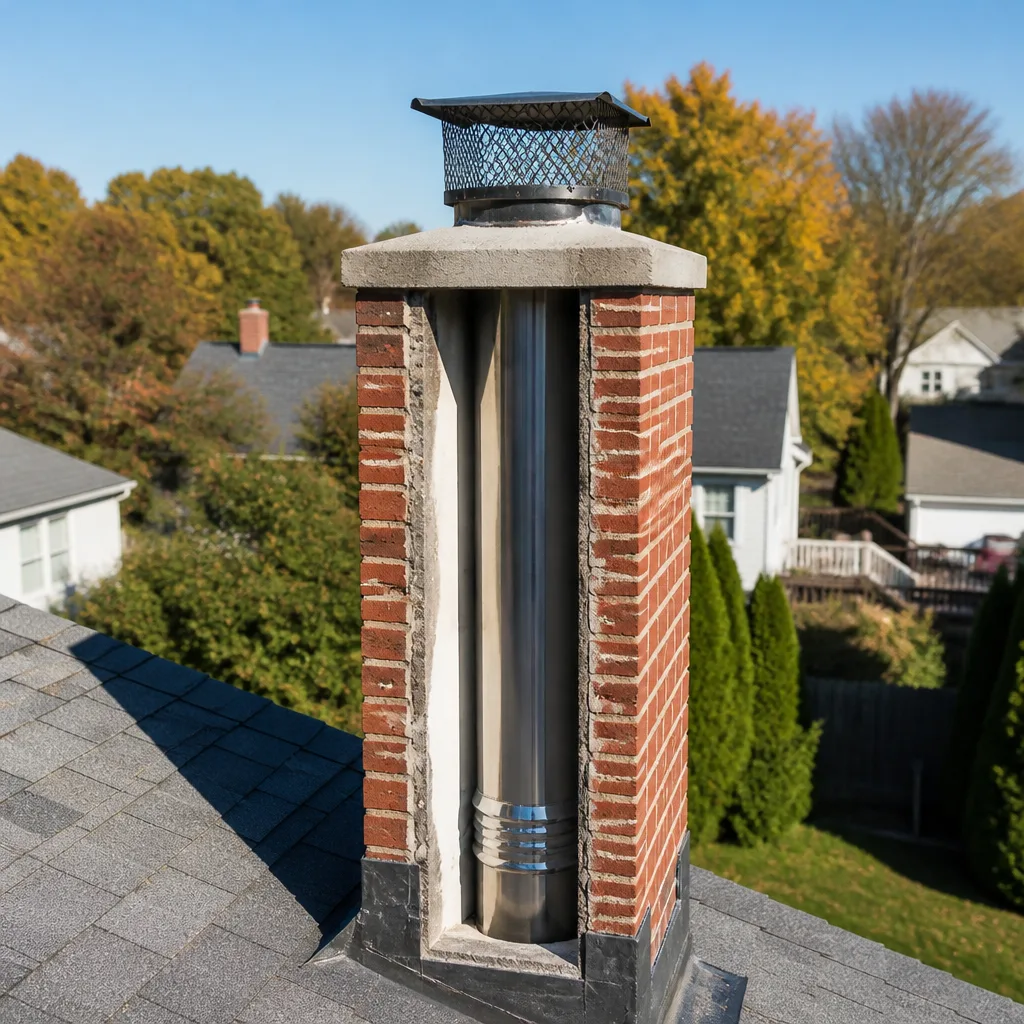 Flue relining
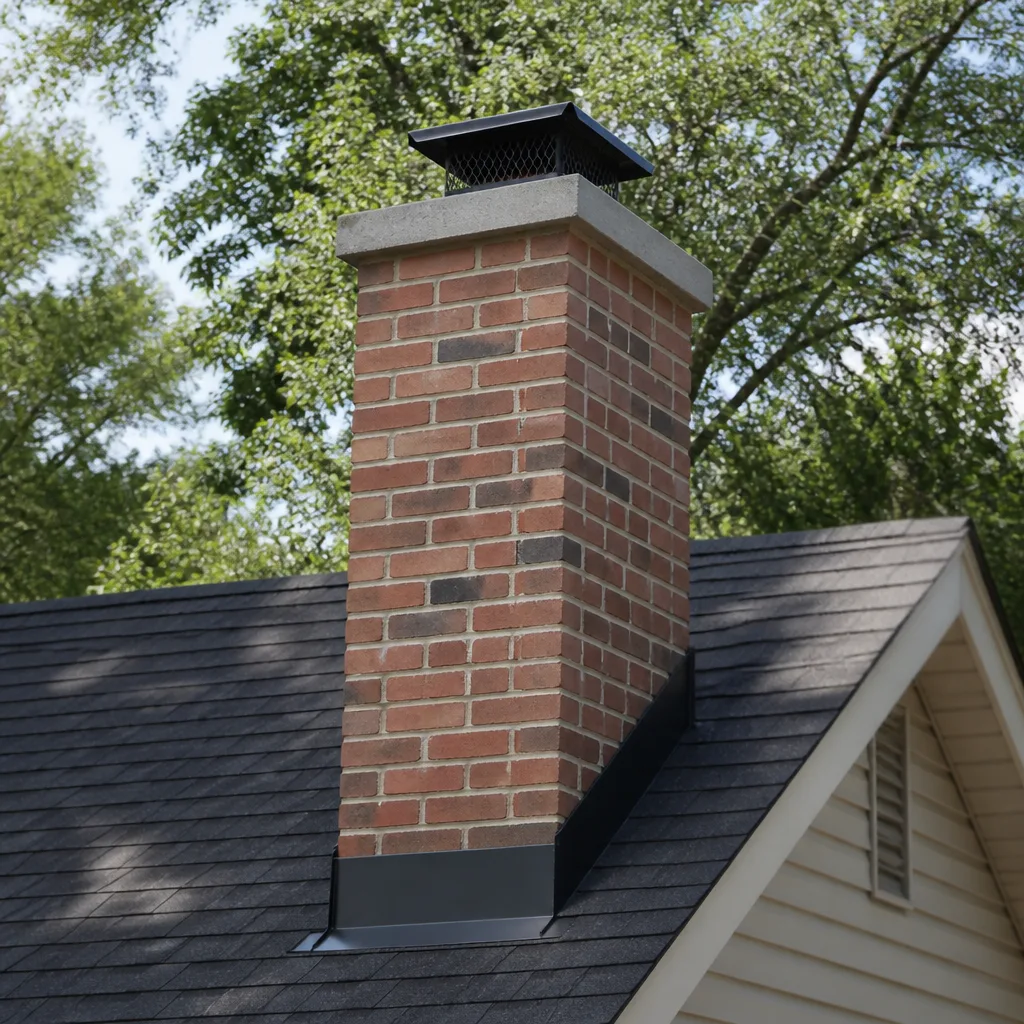 Masonry repair
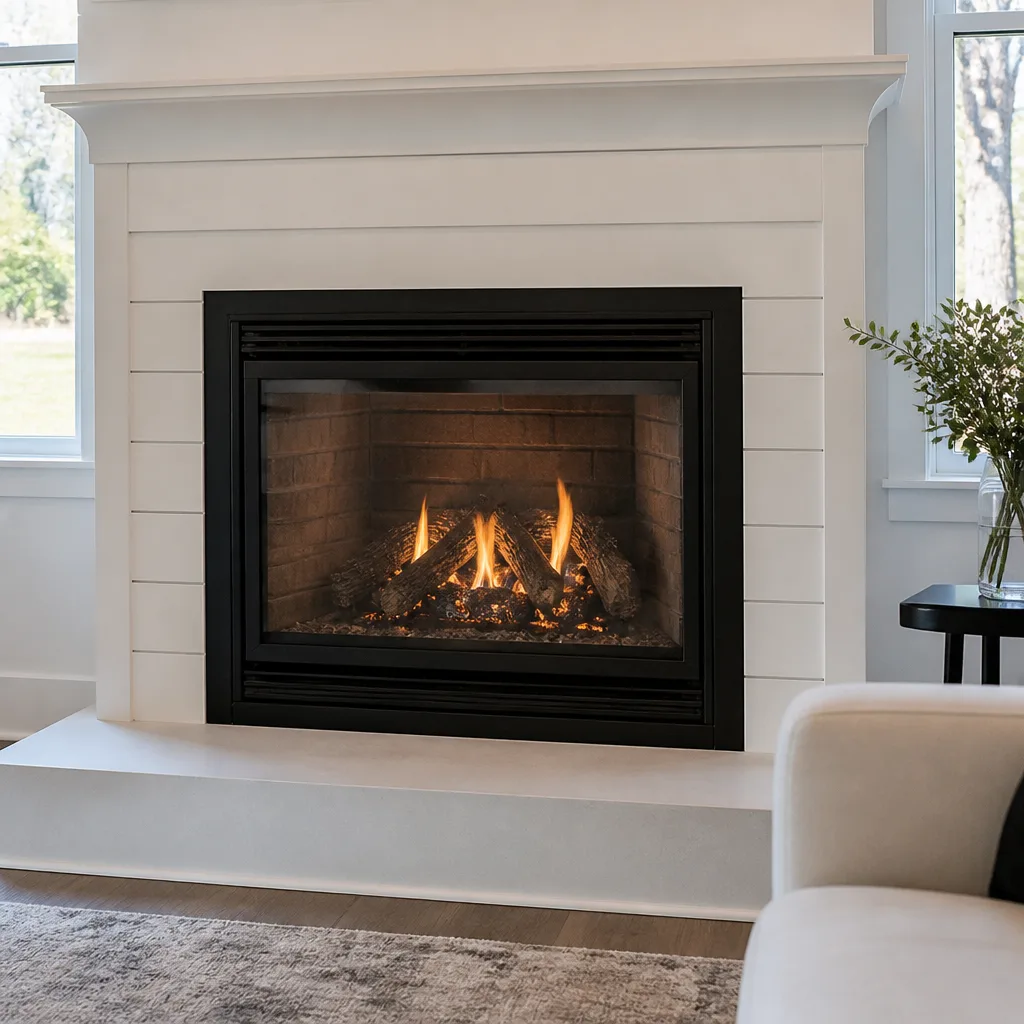 Gas fireplace service
Level 1 sweep and inspection to the NFPA 211 annual standard - flue, crown, cap, and flashing checked and photographed
Chimney sweep logs do not sweep chimneys. They loosen some creosote - which then falls where a brush and vacuum still have to collect it.
Chimney Cleaning Warning Signs: A Westminster Homeowner’s Reference Guide
A strong campfire smell in your living room in July, when no fire has been burning, is not normal. It’s a specific diagnostic signal, and it tells a trained eye exactly what to look for: a flue that’s loaded with creosote, a pressure imbalance pulling odor down the chimney, or a liner that’s no longer doing its job. Most homeowners ignore it until fall. By then, the small clue has become a bigger problem. This guide is written to change that order of events. We want you reading your own fireplace in Westminster, calling a professional because you’ve spotted evidence, not because you’re worried. Below, we cover smell diagnostics, what the firebox is telling you, how smoke behavior reveals draft and liner condition, and what Colorado’s freeze-thaw climate does to exterior masonry.
Quick Answer
The main chimney cleaning warning signs are persistent odors when no fire is burning, smoke rolling back into the room instead of drawing up, dark or glazed creosote on the firebox walls, crumbling mortar or white staining on exterior brick, and a damper that won’t open or close cleanly. Any one of these is a reason to book an inspection. None of them means your chimney is about to fail, and most are routine maintenance issues caught early.
Styles & brands we work with
- Sweep & inspection
- Caps & crowns
- Flue relining
- Masonry repair
- Gas fireplace service
Table of Contents
- What Do Chimney Smells Tell You?
- Reading the Firebox: What You Can See Yourself
- Smoke Behavior: Rollout, Slow Draw, and Backdraft
- Exterior Masonry Warning Signs in Colorado’s Climate
- Creosote Stages: When Cleaning Becomes Urgent
- How to Tell Urgent Safety Issues from Routine Maintenance
- A Seasonal Self-Check for Westminster Homes
- Common Mistakes to Avoid
What Do Chimney Smells Tell You?
Smell is the most underused diagnostic tool a homeowner has. A chimney that’s working properly smells like nothing when it’s cold. When it doesn’t, the specific odor narrows down the cause fast. Here’s how we read them.
A strong campfire or barbecue smell when no fire has burned for days points to creosote buildup combined with a pressure inversion. The chimney is drawing air down instead of up, and the accumulated creosote on the flue walls is off-gassing. This is common in Westminster during hot summer afternoons, when outdoor air is warmer than the flue interior.
A sour, musty, or damp-basement smell usually means moisture. Water is getting into the chimney through a missing or damaged cap, failed flashing at the roofline, or cracked masonry that’s absorbing rain. The smell is the water reacting with soot and creosote residue. Left alone, moisture breaks down mortar.
An ammonia or animal-waste smell means something has moved in. Birds, squirrels, and raccoons nest in flues more often than people expect, and a cap that’s missing or damaged is usually the reason. This is a safety issue because a blocked flue forces exhaust back into the living space.
A sharp, metallic, or burning-plastic smell after a fire is the one to take most seriously. It can indicate a liner that’s failing, or heat transferring through a cracked flue into framing. Stop using the fireplace and book an inspection.
- Campfire odor, no recent fire – creosote buildup plus pressure inversion; book a sweep.
- Musty or damp smell – moisture intrusion; check cap, flashing, and masonry.
- Animal or ammonia smell – nesting or blockage; call before lighting another fire.
- Metallic or burning-plastic smell – possible liner failure; stop use and get inspected.
- Gas smell near a gas fireplace – that’s a gas line issue; call your gas utility first.
One rule above all others: a gas odor near a gas fireplace or insert is a gas-line issue, not a chimney issue. Get out of the house if the smell is strong, and call your gas utility. That’s a different trade and a different emergency, and we’ll always tell you so.
Reading the Firebox: What You Can See Yourself
You don’t need tools to do a first-pass check of the firebox. Open the damper, grab a flashlight, and look. You’re not diagnosing or repairing anything here. You’re gathering evidence so that when you call our Hillcrest Chimney Sweep team, you can describe what you’re seeing.
Start with the firebox walls. Some soot is normal. What’s not normal is a thick, brown, or black coating that looks glossy or tar-like. That’s glazed creosote, and it doesn’t come off with a brush. It needs professional removal because it burns hot enough to damage the flue.
Next, look at the damper. Open and close it slowly. It should move smoothly and sit flush when fully closed. If it’s stuck, warped, or doesn’t seal, you’ll lose heat up the chimney when the fireplace is off and lose control of the fire when it’s on.
Then shine the light up into the smoke chamber, the sloped area above the damper. You should see smooth masonry. What you don’t want to see: cracked bricks, missing mortar joints, gaps where the smoke chamber meets the flue, or a pile of debris at the smoke shelf. Debris there is often the reason smoke rolls into the room.
Finally, check the firebox floor and grate area. Cracked firebrick is worth noting. A small hairline crack is common; a crack you can fit a coin into needs repair before the next fire.
- Open the damper fully and shine a light upward.
- Note the color and texture of soot on the firebox walls (black, brown, glossy).
- Open and close the damper slowly to test movement and seal.
- Look for debris piled on the smoke shelf.
- Check firebrick for cracks wider than a hairline.
- Write down what you see and photograph it with your phone.
That last step matters more than it sounds. When you have a photo, you’re not being told what’s wrong with your chimney. You’re being shown. That’s the difference between booking a sweep and wondering whether you got sold one.
Smoke Behavior: Rollout, Slow Draw, and Backdraft
How smoke moves tells you more about a chimney than how much smoke there is. There are three patterns to know in Westminster homes, and each points to a different diagnosis.
Rollout is when smoke spills out the front of the firebox into the room instead of going up. It usually happens at the start of a fire or when you open the door to add wood. Common causes include a flue that’s too short relative to the fireplace opening, a blocked or partially blocked flue, an undersized flue liner, or a house that’s too airtight and starving the fire of combustion air.
Slow draw is when smoke goes up, but lazily, with a weak fire that doesn’t want to catch. Cold flues cause this on the first fire of the season. So does a flue sized too large for the fireplace, or a chimney that’s cooled on the exterior wall of the house. Once the flue warms up, slow draw often resolves. If it doesn’t, that’s a sizing or liner problem.
Backdraft is the most dramatic of the three. Smoke is pulled down the chimney and pushed into the room, sometimes in a puff that smells like a campfire. Backdraft almost always involves negative pressure in the house relative to the chimney, or a flue that’s producing more draft than the house can supply air for. Modern tightly built Westminster homes, especially those with strong kitchen exhaust fans or furnace systems, are prone to this.
- Rollout at fire start – cold flue, which is normal. Persistent rollout – flue sizing, blockage, or air starvation.
- Slow draw that resolves once warm – normal. Persistent – flue oversizing or liner problem.
- Backdraft – pressure imbalance or blocked flue; call for an inspection.
If smoke is backing into the room, stop using the fireplace. That’s not a wait-and-see situation, because backdraft puts carbon monoxide into the living space. A camera inspection settles it quickly: either the flue is blocked, or it isn’t, and you’ll see which.
Exterior Masonry Warning Signs in Colorado’s Climate
Colorado’s Front Range is hard on chimney exteriors in a way coastal or humid climates aren’t. The pattern is freeze-thaw: daytime melt, nighttime freeze, dozens of cycles a winter. Water works into microscopic cracks, freezes, expands, and widens them. By the time the damage is visible from the ground, the brick face is usually already compromised. Here’s what to look for on the exterior of a Westminster chimney.
White staining (efflorescence) is a powdery white deposit on brick or mortar. It’s mineral salts carried to the surface by water moving through the masonry. Some efflorescence is cosmetic and just means the chimney got wet. Recurring efflorescence in the same spot is a sign of a persistent water path: a failed cap, a flashing problem, or a crack in the crown.
Spalling is the next stage. The face of a brick flakes or pops off, exposing the softer core underneath. Once spalling starts, the cycle accelerates: the exposed core absorbs more water, freezes faster, and cracks deeper. Spalling on a Colorado chimney is a repair issue, not a cosmetic one, and it gets more expensive the longer it goes.
Rust stains on brick or on the firebox interior usually indicate a corroded damper, a rusted chase cover, or a metal liner that’s deteriorated. A rust stain on the siding just below the roofline is an early flashing-failure signal worth catching before framing gets wet.
Cracked or missing mortar joints are the slow-creep warning. Small hairline joints in the crown are normal; joints you can push a key into are not. Repointing with the right mortar mix matters, and that’s a masonry job, not a caulking job.
- Efflorescence (white staining) – water finding a path through the masonry.
- Spalling brick – freeze-thaw damage; repair before the next winter.
- Rust stains – corroding metal; inspect the damper, chase cover, and liner.
- Cracked crown – water running directly into the chimney top.
- Missing cap or damaged spark arrestor – the most common cause of animal intrusion.
The cap deserves a note of its own. On many Westminster chimneys, the cap is the piece of protective hardware that’s missing entirely. A properly fitted cap from a manufacturer like Gelco or Famco keeps rain, snow, birds, and squirrels out of the flue and adds a spark arrestor that most local codes expect. When we quote a chimney repair, we look at the cap with the same attention as the flue liner. It’s the cheapest piece of protection on the whole system.
Creosote Stages: When Cleaning Becomes Urgent
Not all creosote is the same, and the differences matter. Creosote builds up in three recognizable stages, and the stage determines whether a routine chimney sweep handles it or a more involved removal does.
Stage 1: dusty soot. Soft, flaky, and easily brushed off. This is what a typical annual sweep removes. Most Westminster homeowners are here, and a routine sweep is all that’s needed.
Stage 2: crinkly, hard creosote. A black, crusty deposit that can be flaky but is tougher than soot. It builds up when the fire burns cool or the wood is damp. It sometimes needs more than a standard brush, and a sweep with camera inspection is the right call.
Stage 3: glazed creosote. Shiny, hardened, and tar-like. It looks like dark glass on the flue walls, and a normal brush skips over it. Glazed creosote burns hot enough to damage the flue, and it’s the leading cause of chimney fires. Professional removal is required, sometimes using a chemical agent to break it down first.
What drives creosote stage is burn quality. Damp wood, cool fires, and a choked-down air supply all produce more creosote. Seasoned wood (dry, split, and stacked at least a season) and hot, well-ventilated fires produce less. In Westminster’s cold-season climate, where fireplaces run for months, that difference adds up fast.
- Annual sweep – removes stage 1 soot and most stage 2 creosote.
- Camera inspection after sweeping shows whether the flue is clear.
- Stage 3 removal – chemical treatment and mechanical removal before the next fire.
- Liner assessment – glazed creosote often damages the liner underneath; that’s where a HeatShield resurfacing or a DuraFlex liner comes in.
We use HeatShield ceramic resurfacing when a liner is deteriorated but the chimney structure is sound. It restores the flue’s smooth interior without a full tear-out. When the liner itself is failing or the flue is improperly sized, we install a DuraFlex flexible liner. Which path is right depends entirely on what the camera shows.
How to Tell Urgent Safety Issues from Routine Maintenance
Here’s where we see the most unnecessary worry. A homeowner notices a smell or some staining, assumes the worst, and either panics or avoids the issue entirely for a season. The honest answer is that chimney problems sit on a wide spectrum, and most are routine. A few are urgent. Here’s the split.
Urgent – stop using the fireplace and call now:
- Smoke backing into the room (backdraft) – carbon monoxide risk.
- A sharp or metallic smell after a fire – possible liner failure.
- Visible fire in the flue, or a whooshing roar that sounds like a freight train – chimney fire. Get out and call 911.
- A cracked or visibly damaged smoke chamber or flue the camera has shown.
- Exhaust from a gas appliance coming back into the room.
- Carbon monoxide detector sounding near the fireplace.
Routine – book an inspection in the next few weeks:
- Campfire odor in warm weather, no fire burning.
- Slow draw on the first fire of the season that resolves once warm.
- Occasional rollout at fire start.
- Efflorescence or minor staining on exterior brick.
- A creosote build-up you’ve known about for a while but haven’t had a full season yet.
- A damper that sticks but still seals.
The key rule: anything involving smoke or fumes entering the living space is urgent. Anything involving appearance or efficiency is routine. If you’re not sure which bucket a sign falls into, the camera settles it. We inspect it, sweep it, and fix it – all under one roof, and we’ll tell you plainly when something can safely wait. If it can wait, we say so.
A Seasonal Self-Check for Westminster Homes
A simple habit makes a real difference: walk your fireplace once a season and answer the same eight questions. It takes five minutes. It teaches you what your own chimney looks like when it’s healthy, so an off-season change stands out.
- Smell the room. Any odor with the fireplace cold? Sour, campfire, or ammonia? Note it.
- Open the damper. Does it move smoothly and seal fully?
- Shine a light up the firebox. Soot color, firebrick condition, debris on the smoke shelf.
- Light a small test fire. Does smoke draw cleanly, or roll out?
- Walk outside. Look for white staining, spalling, cracked mortar, missing cap.
- Check the cap and spark arrestor. Visible through binoculars from the ground.
- Look at the roofline. Any rust stains on siding below the chimney flashing?
- Test carbon monoxide detectors. Both the one near the fireplace and the one near bedrooms.
In Westminster, autumn is the right time to run this list before burning season starts. By the time you’re running the fireplace daily, a small issue has had weeks to grow. If you’ve recently bought a home in Westminster, run this checklist before your first fire. A fresh purchase is exactly when a chimney’s history is most unknown, and a documented inspection is the cleanest way to start.
Common Mistakes to Avoid
- Assuming a fireplace that draws well is clean. A chimney can draw fine and still have a dangerous creosote buildup inside. Draft and cleanliness are two different things, and a camera inspection is the only way to know both.
- Burning unseasoned wood because it’s what’s on hand. Damp wood burns cool and deposits creosote fast. In Westminster’s burning season, that means a Season 1 creosote coat becomes Stage 3 before you’ve noticed.
- Ignoring an odor because it only shows up in summer. Campfire smell in July is usually creosote plus pressure inversion. It’s a signal to book a sweep before the weather cools and the smell stops – but the creosote is still there.
- Treating exterior staining as a paint problem. Efflorescence and spalling are water-management issues, not cosmetic ones. Painting over them traps the moisture and accelerates damage through a Colorado freeze-thaw cycle.
- Skipping the cap. A cap is cheap protection. Without one, rain, snow, birds, and squirrels enter the flue, and a blocked flue is one of the more common causes of smoke returning to the room.
- Calling a general handyman for chimney work. Chimney repair involves trade-specific products – HeatShield resurfacing, DuraFlex liners, properly sized caps – and generalist contractors often don’t carry them. The gap shows up a season later, when the same problem comes back.
- Assuming a new home is a clean chimney. A home inspection usually doesn’t camera the flue. If you’ve just bought a Westminster house, book a chimney inspection before the first fire, not after.
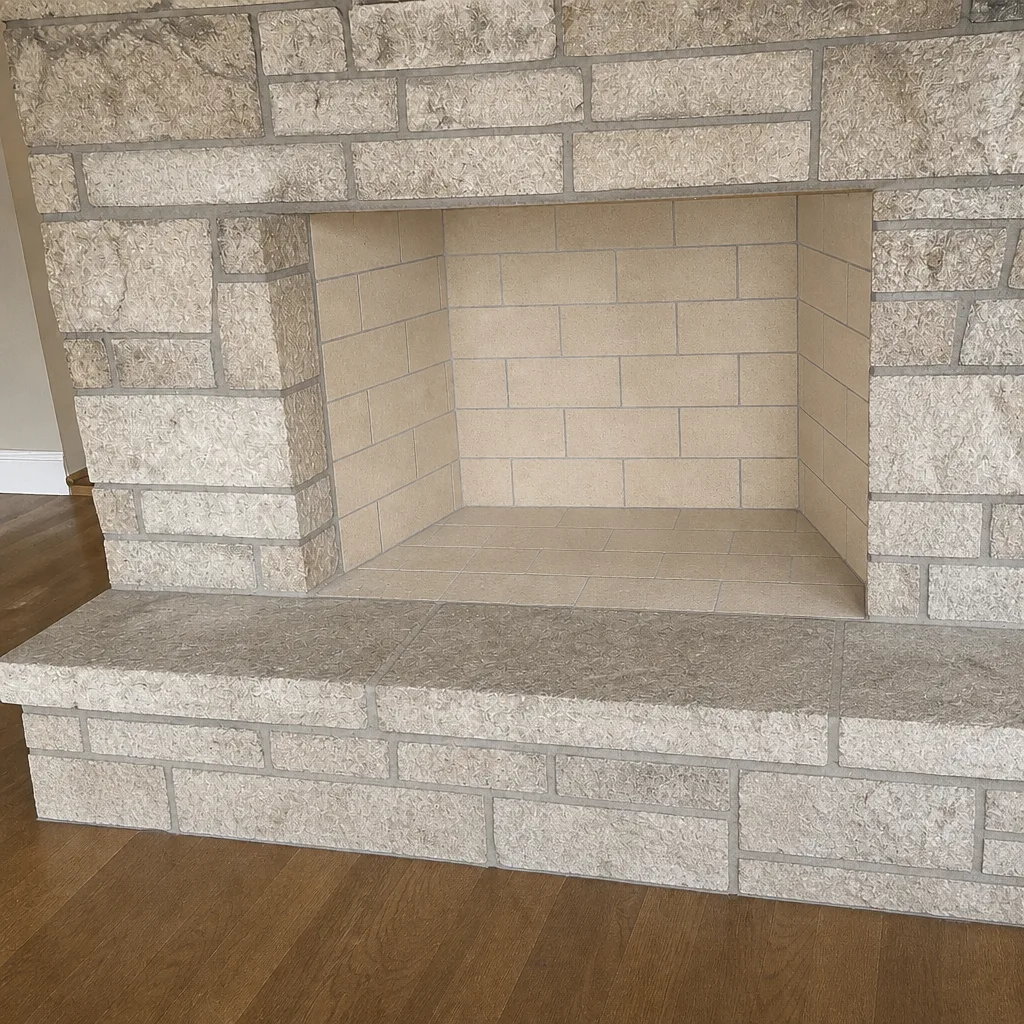
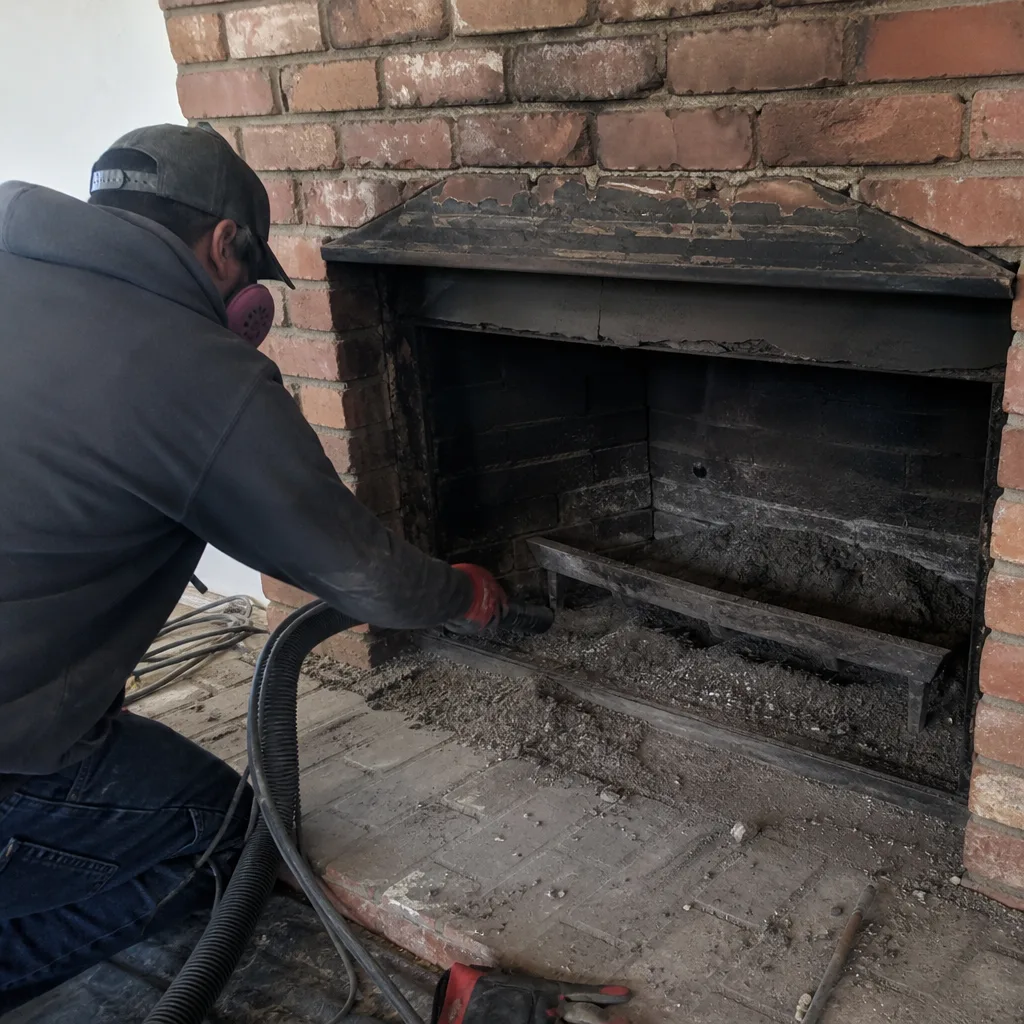
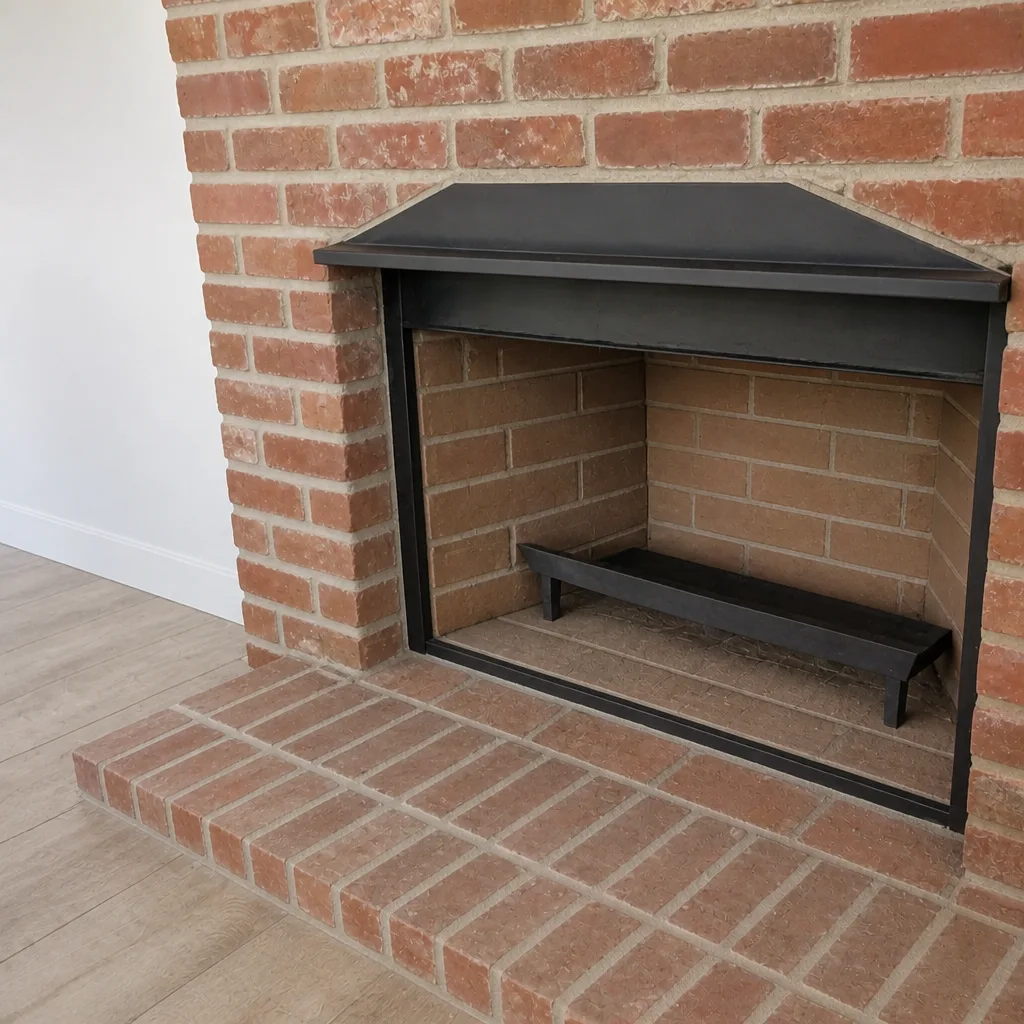
See the difference
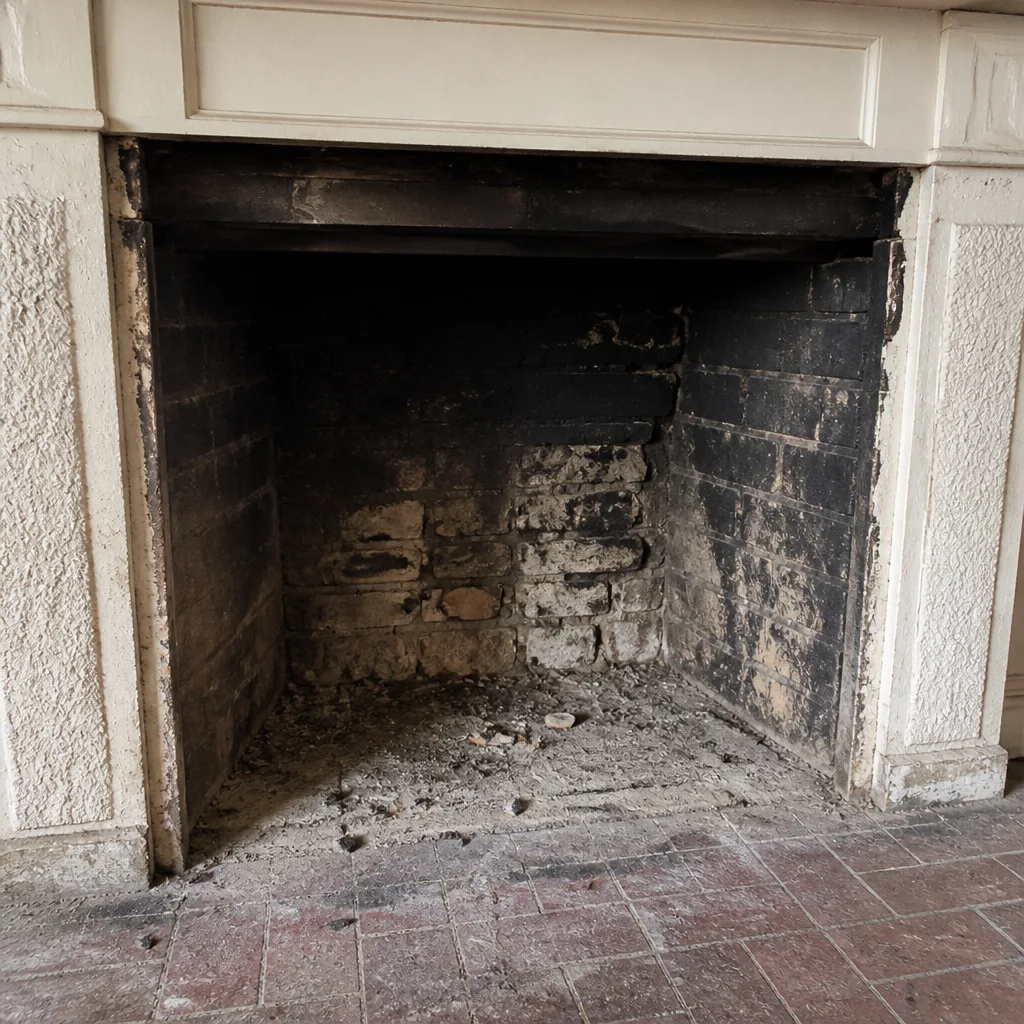 Before
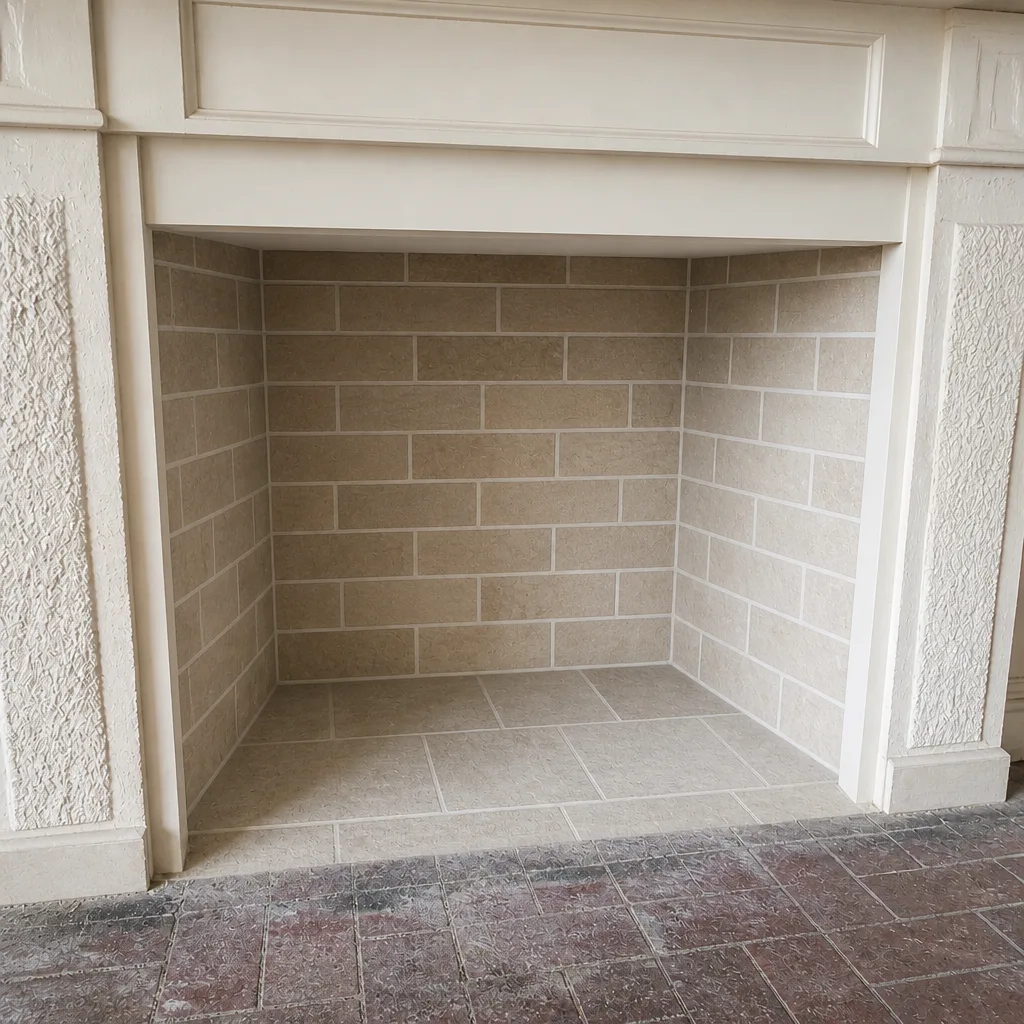 After
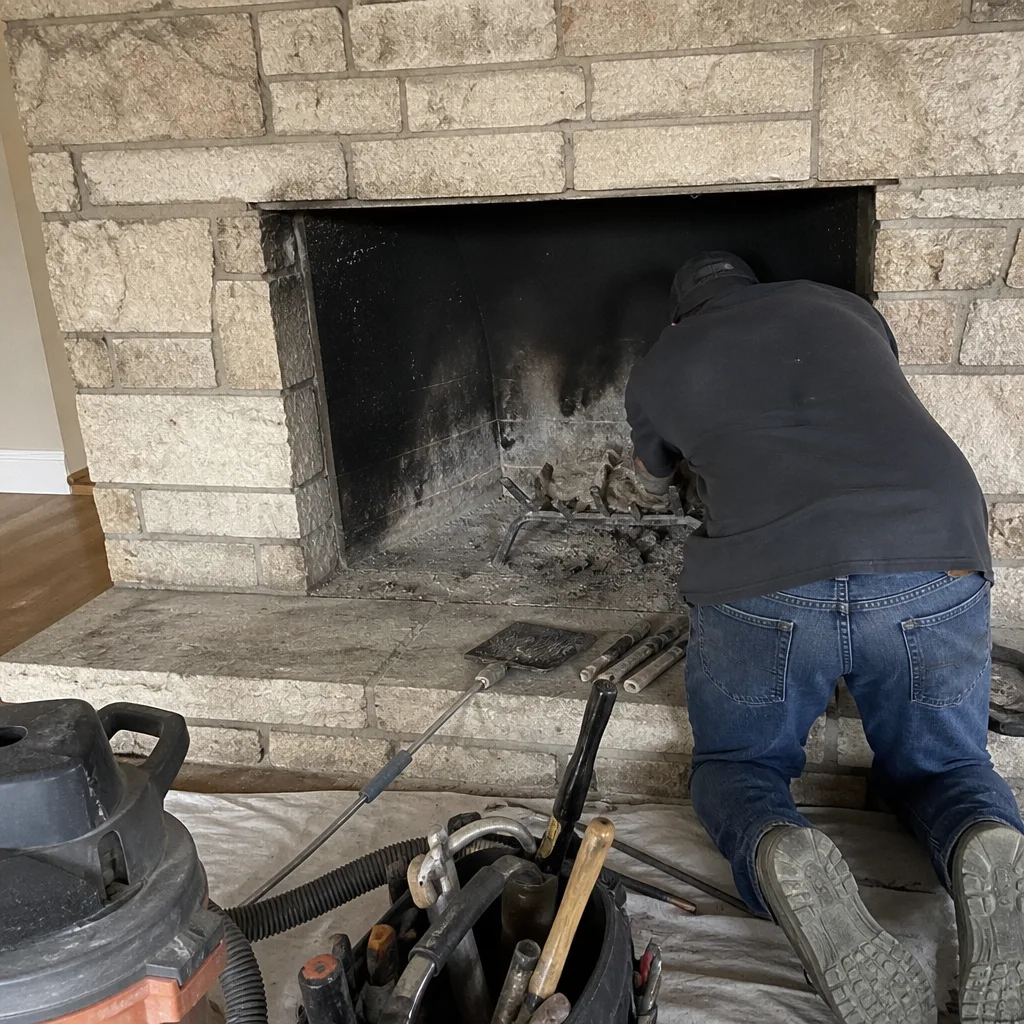 Before
 After
 Before
 After
When to Call a Professional
Call a professional if you see any of the following: smoke or fumes entering the room during or after a fire, a smell of burning plastic or metal, a carbon monoxide detector sounding near the fireplace, visible fire or a roaring sound from the flue, visible cracks in the firebox or smoke chamber, spalling brick on the exterior, or a flue you cannot see into because of debris or a block. Any of those is a call-now situation, not a wait-for-the-season situation. For signs that are routine – campfire smell, slow draw, exterior staining – schedule an inspection rather than waiting. Hillcrest Chimney Sweep offers free estimates in Westminster – call (844) 785-0715. Our technicians have up to 9 years of experience, and every inspection includes a camera and a photo report you can see for yourself.
Frequently Asked Questions
Once a year for a wood-burning fireplace that sees regular winter use, and every other year for occasional use. Westminster’s burning season runs long enough that an annual sweep is the right default for most homes. If you burn more than a cord of wood a season, or the wood isn’t well seasoned, sweep more often. A quick camera check tells you whether you’re early or overdue. Call (844) 785-0715 for an exact quote – estimates are free.
A campfire smell in warm weather with no fire burning usually means creosote buildup in the flue combined with a pressure inversion pulling air down the chimney. Warm outdoor air is lighter than the cooler flue interior, so the chimney reverses and the creosote odor enters the room. The fix is a sweep, and sometimes a full inspection to check the liner. Call (844) 785-0715 to book a sweep – estimates are free.
Yes, because a fireplace that draws well can still have a hidden creosote buildup or a cracked liner you can’t see from the firebox. Draft and structural condition are different things. An inspection with a camera is the only way to know both, and it’s the single best way to catch a small issue before it becomes a repair. Call (844) 785-0715 to schedule an inspection – estimates are free.
Sometimes, but not always. Smoke rollout at fire start is often just a cold flue and resolves once the chimney warms up. Persistent rollout, or smoke that comes back mid-fire, usually points to a blockage, an undersized flue, or a house that’s too airtight for the fireplace. A camera inspection separates those causes quickly. Call (844) 785-0715 if you’re seeing persistent rollout – estimates are free.
White staining (efflorescence) is mineral salt pushed to the surface by water moving through the masonry. A single patch after a wet spring is often cosmetic. The same patch recurring every year, or paired with flaking brick, points to a persistent water problem: a failed cap, bad flashing, or a cracked crown. In Colorado’s freeze-thaw climate, that pattern gets worse each winter. Our chimney repair team can identify the source. Call (844) 785-0715 – estimates are free.
You can safely brush light, dusty soot from the firebox walls. You should not try to remove glazed creosote yourself, especially inside the flue. Glazed creosote is hard, tar-like, and bonded to the liner; removing it requires professional tools and, in many cases, a chemical step. Attempting it yourself risks damaging the liner and leaving a dangerous film behind. Call (844) 785-0715 for professional removal – estimates are free.
The Bottom Line
Most chimney problems announce themselves before they get expensive. A smell in July, slow draw in October, a white stain on the brick by spring – each is a real diagnostic signal, not background noise. Read the firebox, watch the smoke, check the exterior once a season, and you’ll be calling on evidence rather than anxiety. From our end, we inspect it, sweep it, and repair it, and we don’t recommend anything without showing you a photo of the reason first. That’s true whether you’re in a bungalow off Federal or a newer build near the Westminster open space. If the camera shows the chimney is fine, we’ll tell you so.
Call (844) 785-0715 for a free estimate. We answer 24/7. Fast dispatch from 7am to 7pm, Sunday through Friday. We’re closed on Saturday. Professional-grade materials from brands chimney specialists trust, including Olympia Chimney, HeatShield, DuraFlex, and Gelco, back every repair we complete. A clean chimney isn’t just comfort – it’s fire safety. And it starts with a call.
Written by the team at Hillcrest Chimney Sweep.