
Last updated November 15, 2026
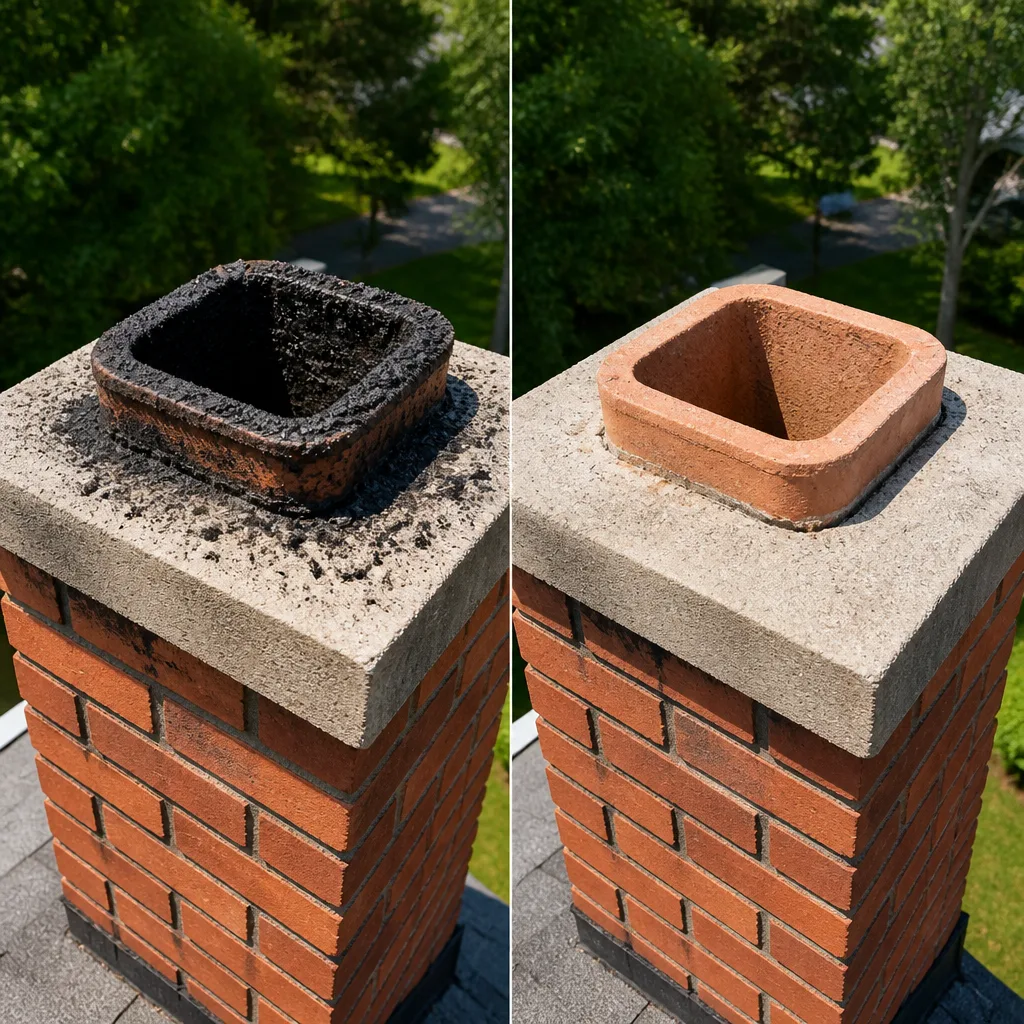 Sweep & inspection
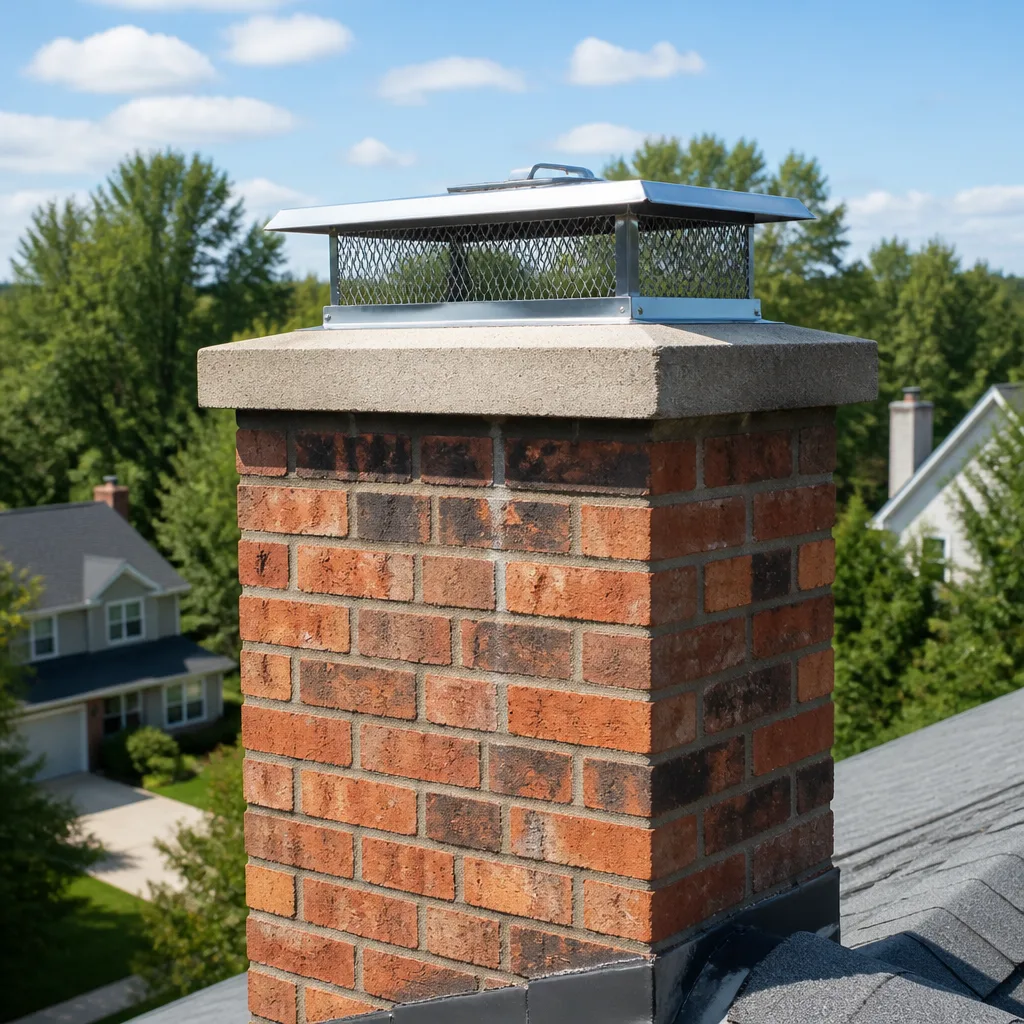 Caps & crowns
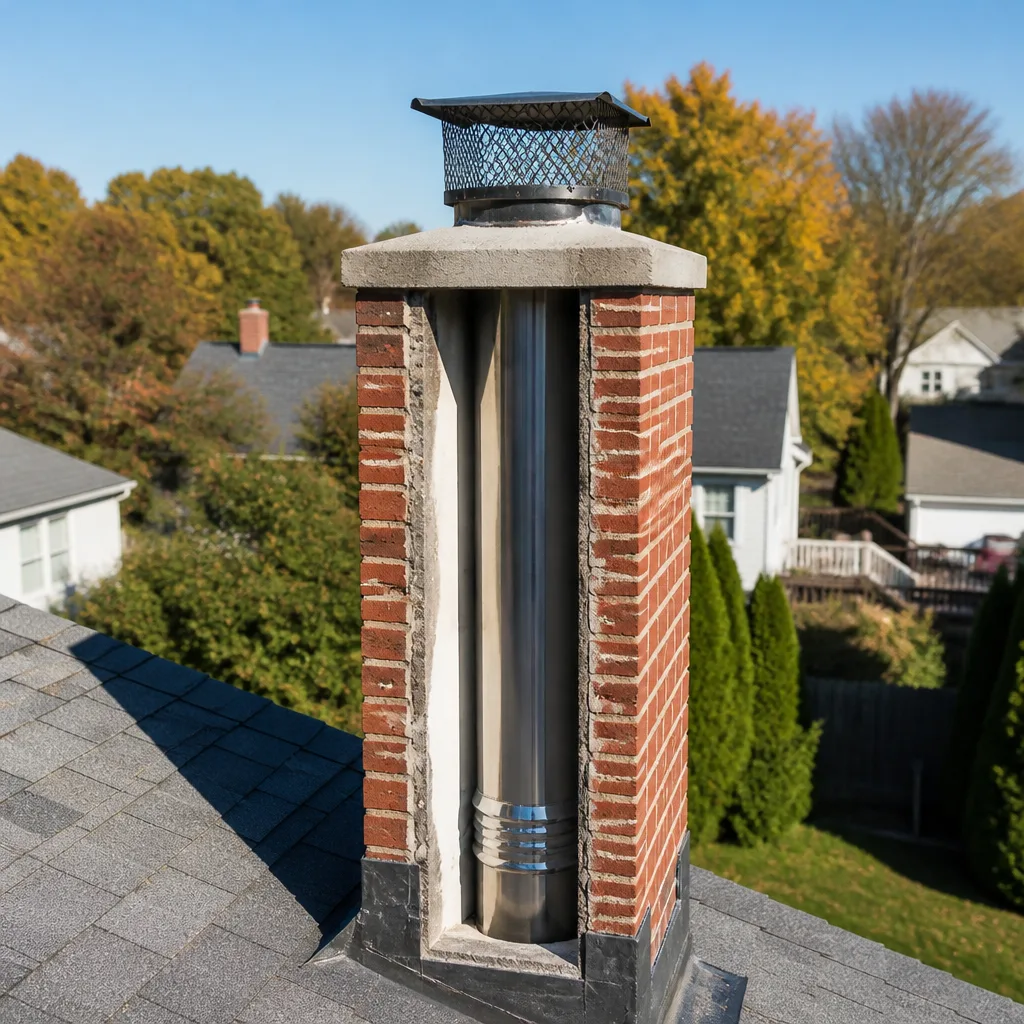 Flue relining
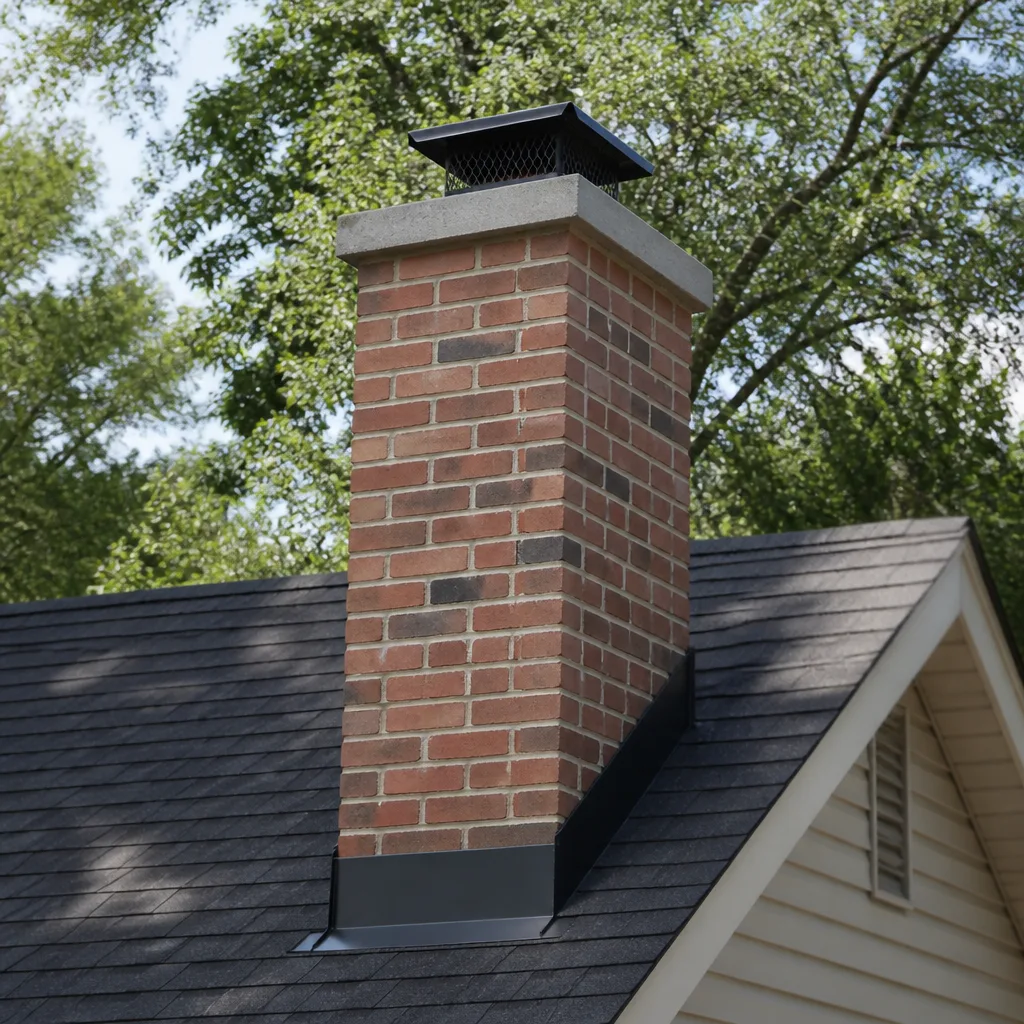 Masonry repair
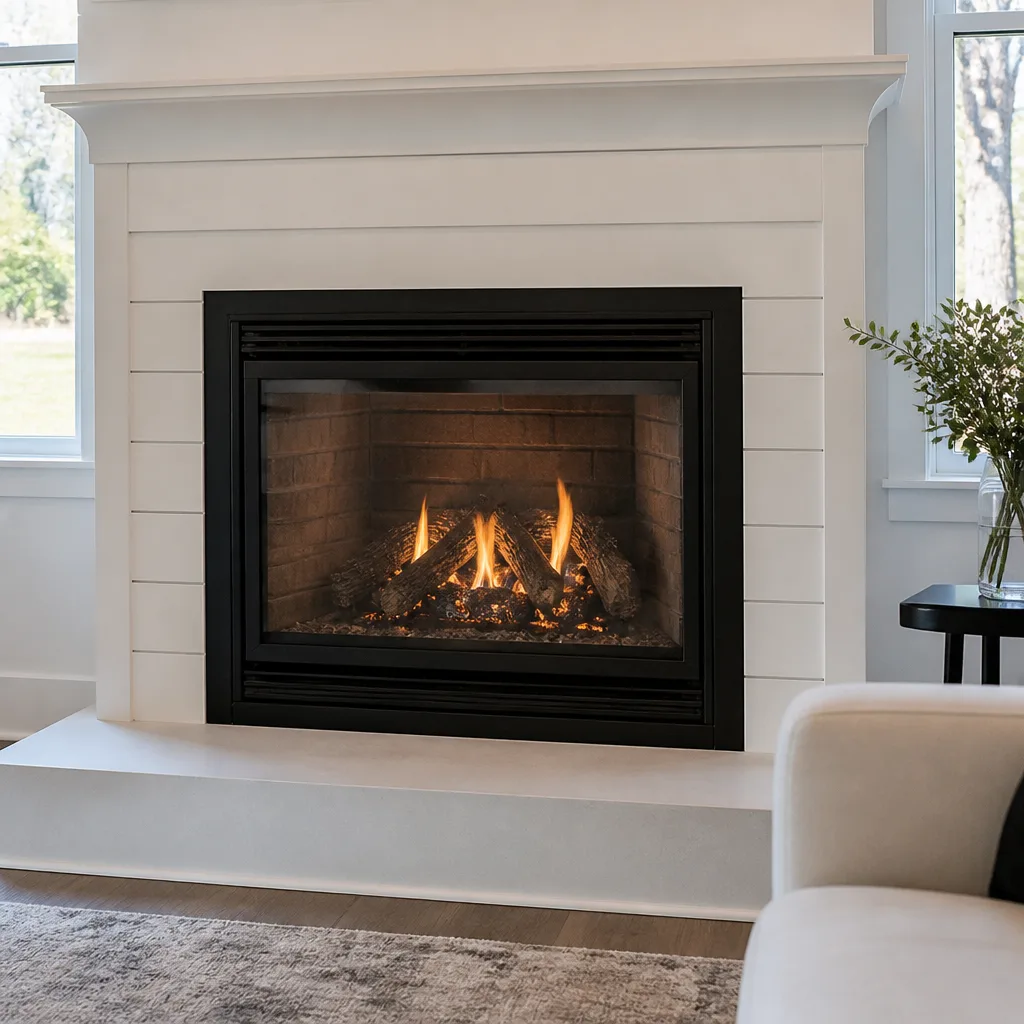 Gas fireplace service
Level 1 sweep and inspection to the NFPA 211 annual standard - flue, crown, cap, and flashing checked and photographed
Chimney sweep logs do not sweep chimneys. They loosen some creosote - which then falls where a brush and vacuum still have to collect it.
Choosing the Right Chimney Cleaning Brand: A Buyer’s Guide for Westminster
Most of what gets sold as a “chimney cleaner” is not chimney cleaning. The bottle of powder on the hardware store shelf and the creosote modifier a chimney sweep mixes into the firebox are marketed with the same words, but they belong to different tiers of the trade, built to different standards, and one of them is tested against a recognized industry method. That gap matters in Westminster, where a dry, cold winter and a long heating season push creosote buildup faster than most people expect, and where the wrong product can leave a flue looking cleaner while doing very little to the dangerous deposits that actually cause chimney fires. This guide covers how the professional product tier differs from retail, what creosote modifiers can and can’t do, how cap and liner materials hold up in Colorado’s temperature swings, how to read a contractor’s material choices as a signal of their standards, and what you can safely use yourself between professional visits.
Quick Answer
The right chimney cleaning brand for a Westminster home is whatever the sweep can back with a professional-grade product line and a tested method, not whatever has the loudest label at the hardware store. In practice that means professional-tier chemistry like the CSL Cre-Away line, a stainless liner and cap from a recognized supplier such as Olympia Chimney or Gelco, and a sweep who can explain why they chose each one. Consumer products have a place between visits, but they don’t replace a proper sweep and inspection.
Styles & brands we work with
- Sweep & inspection
- Caps & crowns
- Flue relining
- Masonry repair
- Gas fireplace service
Table of Contents
- The Two Tiers of Chimney Products: Professional vs. Retail
- What Creosote Modifiers Actually Do (and What They Can’t)
- Chimney Caps and Liners: Materials That Survive Colorado
- How to Read a Contractor’s Material Choices
- A Step-by-Step Way to Evaluate a Chimney Brand
- What Westminster Homeowners Can Legitimately Use Between Visits
- Products to Avoid, and Why
- Why Westminster Chimneys Age the Way They Do
The Two Tiers of Chimney Products: Professional vs. Retail
Walk into any hardware store in Westminster and you’ll find a shelf of chimney cleaning products aimed at homeowners: soot logs, powdered creosote removers, brushes on flexible rods, spray-on cleaners. Walk into a chimney supply house and you’ll find a different world entirely, stocked for contractors who install liners, resurface flues, and fit caps for a living. The two tiers exist because they serve different jobs, not because one is inherently honest and the other is a scam.
The retail tier is designed for simple, low-risk maintenance tasks a homeowner can do without tools or training. It’s usually formulated to be mild, easy to handle, and forgiving of misuse, which also means it does less. The professional tier is designed for sweeps and installers who understand what a flue liner is made of, how much heat it can take, and what happens when the wrong chemistry touches galvanized steel or a clay tile. Professional products are concentrated, specific, and often tested against an established industry method rather than a marketing claim.
Here’s the practical difference in a table-as-list format:
- Testing and documentation: Professional products carry test data behind their claims. Retail products generally don’t.
- Specificity: A professional creosote modifier is formulated for a specific stage of creosote and a specific liner type. Retail powders are one-size-fits-all.
- Application method: Professional products are applied by someone who has inspected the flue first. Retail products are applied blind.
- Risk profile: A professional product used wrong can still damage a liner, which is why a trained hand applies it. A retail product is designed to be safe-ish when used wrong, which caps how much it can accomplish.
None of this means retail products are useless. It means they belong to a different job. When we sweep a chimney in Westminster, we’re using tools and chemistry from the professional tier because that’s what the work calls for. When a homeowner wants to slow buildup between visits, the retail tier has legitimate options, covered further down.
What Creosote Modifiers Actually Do (and What They Can’t)
Creosote modifiers are among the most misunderstood products in the chimney trade. A homeowner hears “modifier” and assumes the product removes creosote. It doesn’t, at least not in the way a sweep removes creosote with a brush. What a modifier does is change the chemistry of what’s already on the flue walls so the next sweep has an easier job and the deposits are less likely to ignite.
Creosote forms in stages, and the stages behave very differently. Early-stage creosote is flaky and relatively easy to brush away. As it’s reheated and concentrated, it becomes gummy, then crusty, then in the worst cases a hardened glaze that a brush alone can’t touch. A modifier is formulated to work on the earlier stages, breaking down the gummy deposits into a drier, more brittle form so a sweep can remove them instead of fighting them.
What a modifier cannot do:
- It cannot replace a sweep. The product loosens the deposit. Something still has to remove it from the flue, and that’s a brush and a trained hand.
- It cannot fix glazed creosote on its own. Third-degree glazing usually needs mechanical removal by a professional, sometimes with specialized rotary tools, and occasionally the liner has to be replaced.
- It cannot compensate for wet wood. Burning unseasoned wood produces far more creosote than any modifier can manage. The fix is the fuel, not the chemistry.
- It cannot safely be applied blind. Applying a modifier to a flue you haven’t inspected risks pushing deposits into a shape that’s harder to remove, or masking a crack in the liner you should have caught first.
This is why the modifier is a professional product applied after an inspection. It’s a tool in the sequence, not a standalone treatment. In our experience, homeowners who ask about modifiers are usually asking the right question, but they’ve been sold a simpler answer than the trade can honestly give.
Chimney Caps and Liners: Materials That Survive Colorado
Westminster sits on the Front Range, which means the chimney sees a wider temperature swing in a single week than many coastal or southern installations see in a season. A cap that’s fine in a mild climate can crack or warp here, and a liner that’s borderline in a mild climate can fail outright. The material choices matter more than the brand name on the box, but the brands worth using are the ones that get the material choices right.
Cap materials
A chimney cap does three jobs at once: it keeps rain and snow out, it keeps animals and debris out, and it improves draft by shielding the flue from downdrafts. In Colorado, the freeze-thaw cycle punishes cheap caps.
- Stainless steel caps are the standard for durability. Single-wall stainless handles most residential jobs. Gelco and Copperfield both make stainless caps that hold up to Front Range weather, and the difference between a good and a mediocre stainless cap is usually the gauge and the weld quality, not the finish.
- Aluminum caps are lighter and cheaper. They work fine for mild applications and gas appliances with little heat exposure, but they dent and deform under hail and heavy snow load. In Westminster, an aluminum cap is often a compromise you’ll regret within a few winters.
- Galvanized steel caps are the budget option. They rust. On a wood-burning flue that sees real heat and condensation, galvanized is a short-term fix, not a long-term choice.
- Copper caps cost the most and last the longest. If you’re replacing a cap you want to be done with, copper is the answer when the budget allows.
Liner materials
Liner material is a bigger decision than the cap because the liner is what contains the fire and the flue gases. Clay tile has been the standard for decades and is still a legitimate liner when it’s intact and properly sized. Once it cracks or spalls, a stainless steel liner is usually the correct repair, and that’s where the material grade matters. A DuraFlex flexible liner is a stainless system designed for full-length relining of a deteriorated flue. Olympia Chimney makes rigid and flexible liner systems as well.
The grade of stainless is not a detail. A liner spec’d for a wood-burning appliance has to hold up to continuous heat and to the acidic condensation that comes from a gas or oil appliance. A sweep who can tell you what grade of stainless they’re installing, and why, is a sweep who knows what they’re doing. A sweep who just says “stainless liner” without more detail is telling you something too.
How to Read a Contractor’s Material Choices
The brands a sweep uses are a signal, not a guarantee. A sweep who stocks professional-tier products is more likely to be a specialist, but a sweep who talks the talk about brands isn’t automatically competent. The useful signal is the reason behind the choice. A contractor who can explain why they use a particular liner system on a particular flue type is a contractor who has thought about the job. One who can’t is a contractor who is following a catalog.
Here’s what a material choice tells you about a contractor:
- Professional product lines signal trade knowledge. A sweep working with DuraFlex, HeatShield, Gelco, Olympia Chimney, Famco, or Copperfield is working with the product tier that chimney specialists use, not the retail tier a generalist might grab from a hardware store. That doesn’t prove competence, but it’s consistent with it.
- HeatShield use signals depth. HeatShield is a ceramic resurfacing system used to repair a damaged liner from the inside, restoring a continuous surface without full replacement in eligible cases. A sweep who uses it has moved past sweep-only capability into repair.
- DuraFlex use signals full liner capability. A sweep who installs DuraFlex flexible liners can replace a liner, not just clean around one. That changes what a job can become when the inspection finds a problem.
- Famco and Gelco familiarity signals caps and hardware. These are the brands that show up when a sweep is doing cap work, damper work, and ventilation components. A sweep who knows them has a finished-system view of the chimney, not just a flue view.
The other signal is whether the same company inspects, sweeps, and repairs. When those three phases split across different contractors, the material choices drift, because no one is accountable for the whole chimney. Hillcrest Chimney Sweep runs the full cycle under one roof, which means the person who inspects is accountable to the person who sweeps and to the person who repairs. That’s a quality standard you can feel on a quote.
A Step-by-Step Way to Evaluate a Chimney Brand
When you’re choosing between products, brands, or contractors, a short evaluation process saves you from guessing. Here’s the sequence we’d suggest.
- Identify which tier the product belongs to. If it sells at a hardware store and has no test documentation, it’s retail. If it’s sold through chimney supply channels and carries a manufacturer’s specification sheet, it’s professional. Know which one you’re considering before you judge it.
- Match the product to the ask. A creosote modifier is for creosote, not for soot. A liner is for the flue, not for the firebox. A cap is for the top of the chimney, not for the flue interior. If the marketing is vague about what it does, assume it does less.
- Ask for the material spec. Stainless grade, gauge, and testing method. A contractor who can answer those questions has the knowledge behind their choices. A contractor who can’t may still do fine work, but you have no way to know that from a quote.
- Look at what they don’t do. A sweep who refuses to offer products or services outside chimney work is signaling focus. A sweep who also does gutters, dryer vents, and general handyman work is spreading their attention.
- Read the inspection report first. A material choice without a documented inspection is a guess. Any recommendation for a specific product, especially a liner or a resurfacing, should follow a camera inspection with a report you can read yourself.
- Confirm the repair path. If the recommendation is a liner, ask what the alternative is and under what conditions the liner would not be needed. A contractor who can explain when a repair can wait is more trustworthy than one who can’t.
- Check the finish details. Cap fasteners, flashing, crown condition, damper function. These are the components that fail first and cost the most to fix later. A contractor who talks about finish details has done the job before.
Running this checklist takes about fifteen minutes on a quote and saves you from the most common chimney mistake, which is buying a product or a service you don’t need. A chimney sweep in Westminster should be able to walk through every one of these points without hedging.
What Westminster Homeowners Can Legitimately Use Between Visits
Between professional visits, a homeowner can do real good work without touching anything dangerous. The safe zone is anything that improves draft or slows creosote buildup without putting a hand near the flue interior or the firebox with tools.
What you can legitimately do:
- Burn dry, seasoned wood. A moisture meter on your firewood, checking under 20% moisture content, is one of the highest-value actions available. Wet wood is the number one creosote producer in a Westminster home, and no product fixes that.
- Keep the damper and cap clean of visible debris. A visual check at the top of the chimney from the ground with binoculars is reasonable and lets you catch a dislodged cap or a nest early.
- Use a retail soot or creosote log cautiously. These products are formulated to be safe at consumer level and are intended to reduce mild buildup between sweeps. They do not replace the sweep, and they don’t touch glazed creosote.
- Keep the firebox clear of ash buildup. A firebox with too much ash reduces combustion efficiency and worsens smoke.
- Check the chimney cap and crown after storms. Front Range hail and wind can loosen a cap. If the cap is visibly damaged, that’s a repair call, not a cleaning task.
- Keep furniture and combustibles clear of the hearth. Obvious, but the most common contributing factor in house fires that start at a fireplace.
What you should not do between visits:
- Take a wire brush to the flue yourself. The liner can be damaged by the wrong brush, and the firebox isn’t a safe place to work with a tool that can jam.
- Spray any product into the firebox while a fire is burning or still hot.
- Apply a creosote modifier without an inspection confirming the liner is intact.
- Replace a cap yourself on a roof. Chimney height and pitch make this a fall risk, and the flashing details are easy to get wrong.
- Ignore a draft problem and rely on a room air cleaner. The cause is usually the flue, not the air in the room.
A clean chimney isn’t just comfort. It’s fire safety, and the safe work is the work you can do with your hands off the flue.
Products to Avoid, and Why
Some products are sold without being wrong in an obvious way, and the honest answer is that they don’t need to exist. A few worth naming as landmines:
- Unlabeled or generic-soot “chimney cleaning” sprays. If the label doesn’t say what the product does chemically or what flue type it’s rated for, it’s not a product, it’s a guess.
- Rubber or plastic brushes in a metal flue. A metal brush in a metal flue is standard practice for a reason. A softer brush can leave deposits that the next sweep has to remove.
- Chemical drain-cleaning style products marketed for flues. If a product is aggressive enough to eat through hardened creosote, it’s aggressive enough to attack a clay tile or a stainless liner. Those aren’t clearance tasks.
- Aluminum caps on a wood-burning flue in Colorado. The cap deforms under thermal cycling and hail. It’s the material to avoid in this climate.
- Galvanized steel anything long-term. Rust is a matter of when, not if.
- Consumer-grade liner sealants. Liner repair is either done from the inside with a professional resurfacing system like HeatShield or by replacing the liner. There’s no consumer product that repairs a damaged liner.
The pattern is consistent. Products that promise something a trained sweep would tell you is a repair are the ones to be suspicious of.
Why Westminster Chimneys Age the Way They Do
Westminster sits at the edge of the Front Range, where the winter inversion traps cold air and concentrates emissions in the valley while the foothills above stay clearer. The practical effect on a chimney is a long burn season, frequent low-and-slow fires on cold nights, and a high volume of small fires that don’t produce enough heat to scour the flue. That’s the profile that builds gummy creosote faster than a household that burns a few hot fires a week. Add the freeze-thaw cycle that works a masonry crown and flashing every winter, and a Westminster chimney accumulates wear on a schedule that surprises people moving from milder climates.
Homes in neighborhoods like Legacy Ridge and the older housing stock near downtown Westminster tend to have chimneys built to different standards depending on when they went up. A chimney from an earlier era may have clay tile that’s still sound, or it may have a liner that was acceptable when it was installed and has since aged out. A newer chimney may have a factory-built system with different maintenance and repair requirements. The material right for one is not the material right for the other, which is why an inspection comes first and a product recommendation comes second.
This is also why we don’t endorse a single brand as “the best” for Westminster. The right brand depends on the appliance, the liner type, the age of the chimney, and the condition found in the inspection. Chimney repair in this climate is a material-by-material decision, not a brand-name decision.
Common Mistakes to Avoid
- Buying the loudest retail product as a substitute for a sweep. A bottle labeled “chimney cleaner” won’t remove a season’s creosote, and treating it as if it will leaves the actual deposits in place. The sweep is the removal. The product is a delay tactic at best.
- Assuming “stainless steel” is one thing. Stainless has grades, and the grade matters for heat and condensation exposure. A quote that doesn’t specify the grade is a quote that’s missing the important part.
- Skipping the inspection to save time. A modifier or a liner recommendation without a camera inspection is a guess dressed as a diagnosis. In Westminster, where a chimney can look fine from the roof and be failing inside, the camera is not optional.
- Mixing contractors across the three phases. One company inspects, another sweeps, a third repairs. Each one sees a slice, and none is accountable for the whole chimney. The full cycle under one roof is the cleaner answer.
- Choosing on price alone. A low quote that uses retail-tier materials in a professional-tier repair is the most expensive choice in the long run. A written estimate should tell you what’s being installed, not just what it costs.
- Ignoring the cap and crown. Westminster’s hail and freeze-thaw cycles work the top of the chimney hardest, and a failed cap lets water into the flue all winter. It’s the cheapest part of the system and the one most often skipped.
- Burning wet wood because it’s easier. Unseasoned wood is the fastest route to glazed creosote, and no modifier will undo that. The fuel is the first product choice most homeowners make, and it’s the one that matters most.
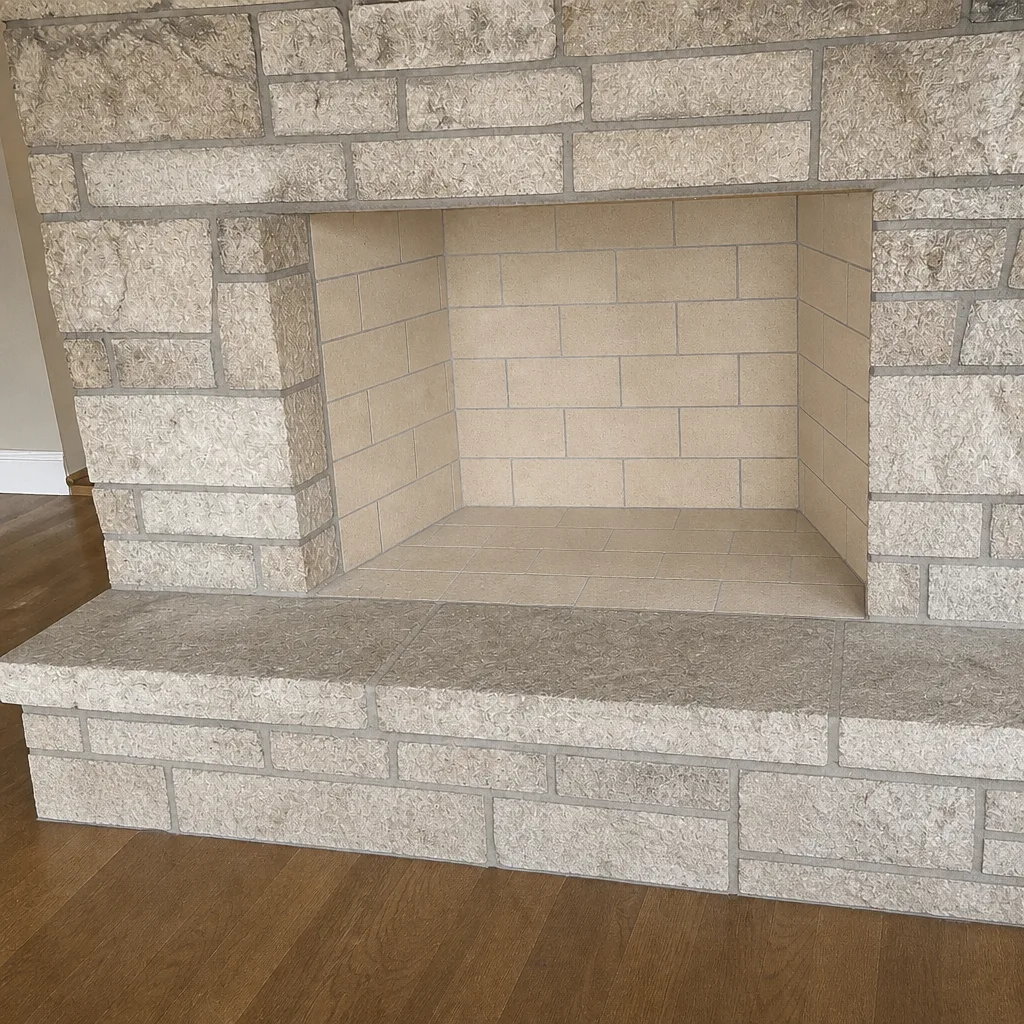
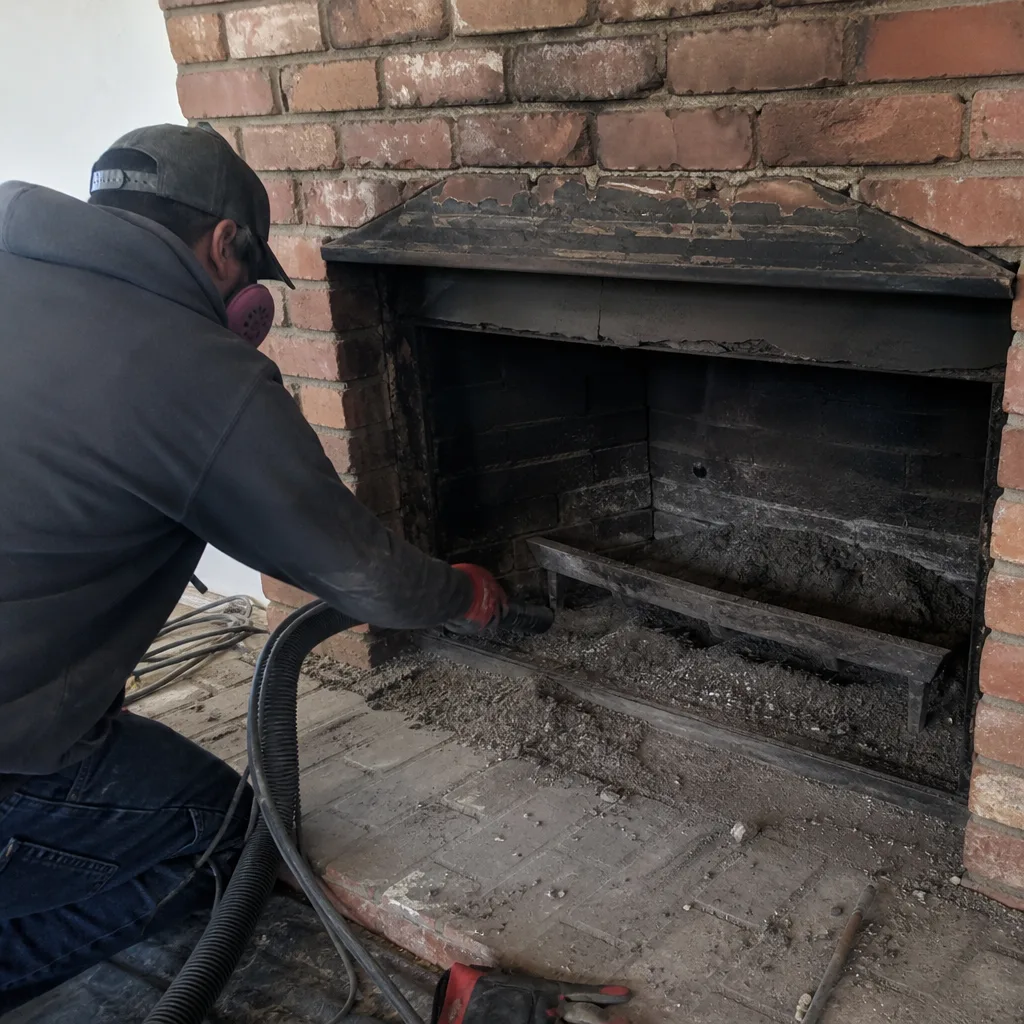
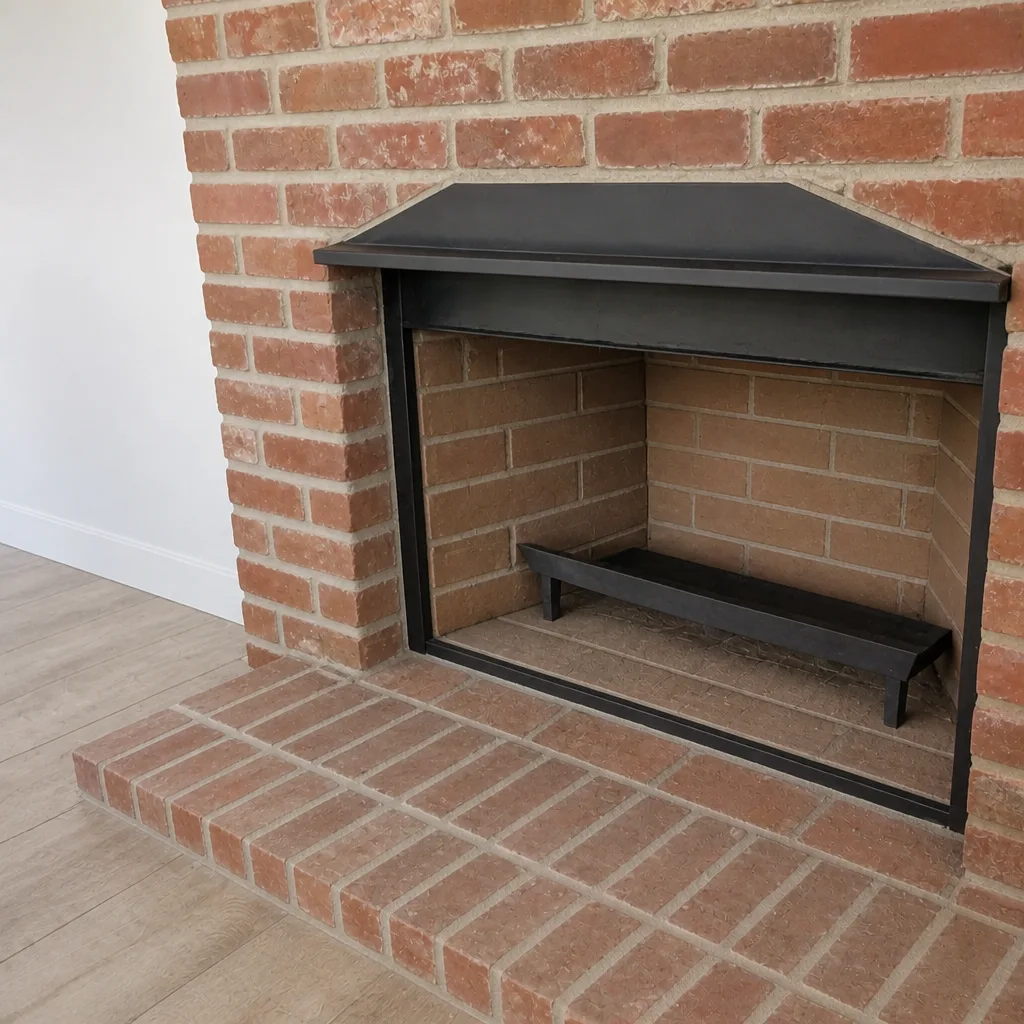
See the difference
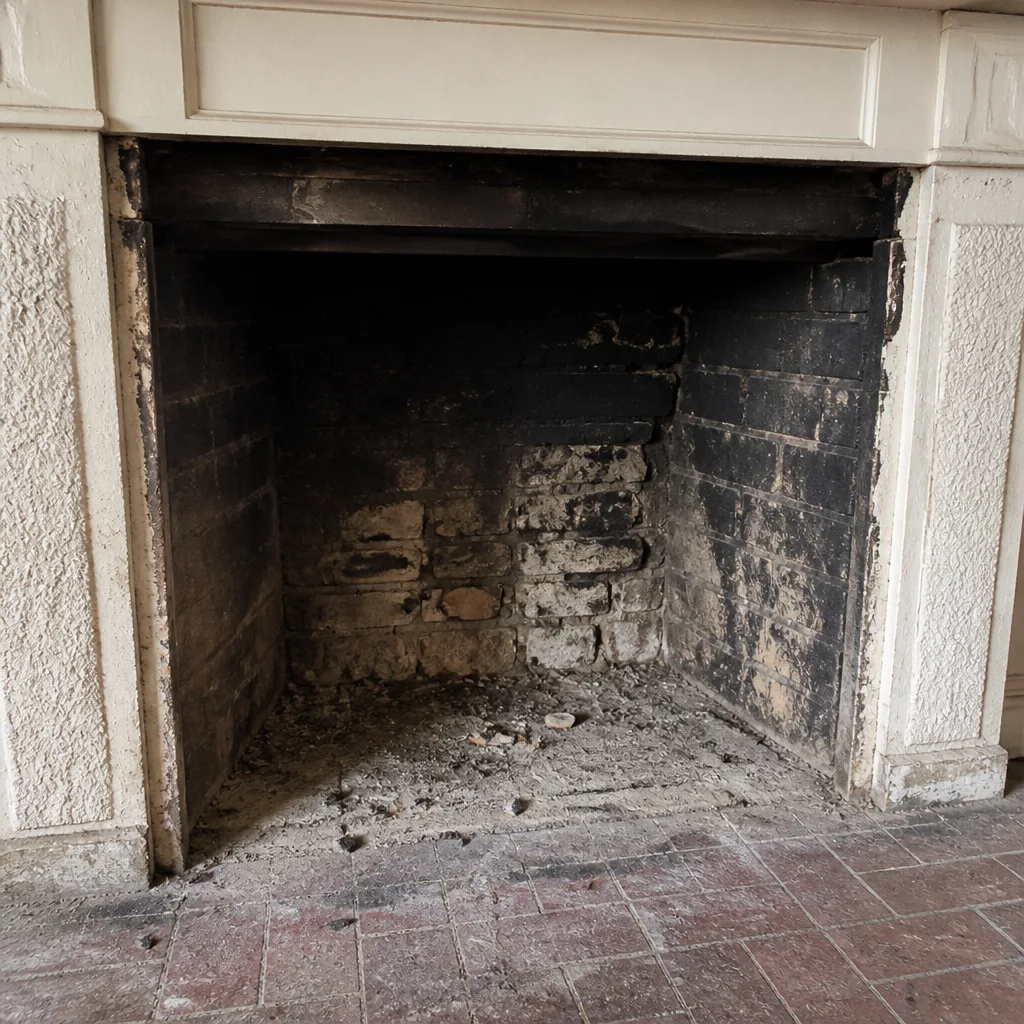 Before
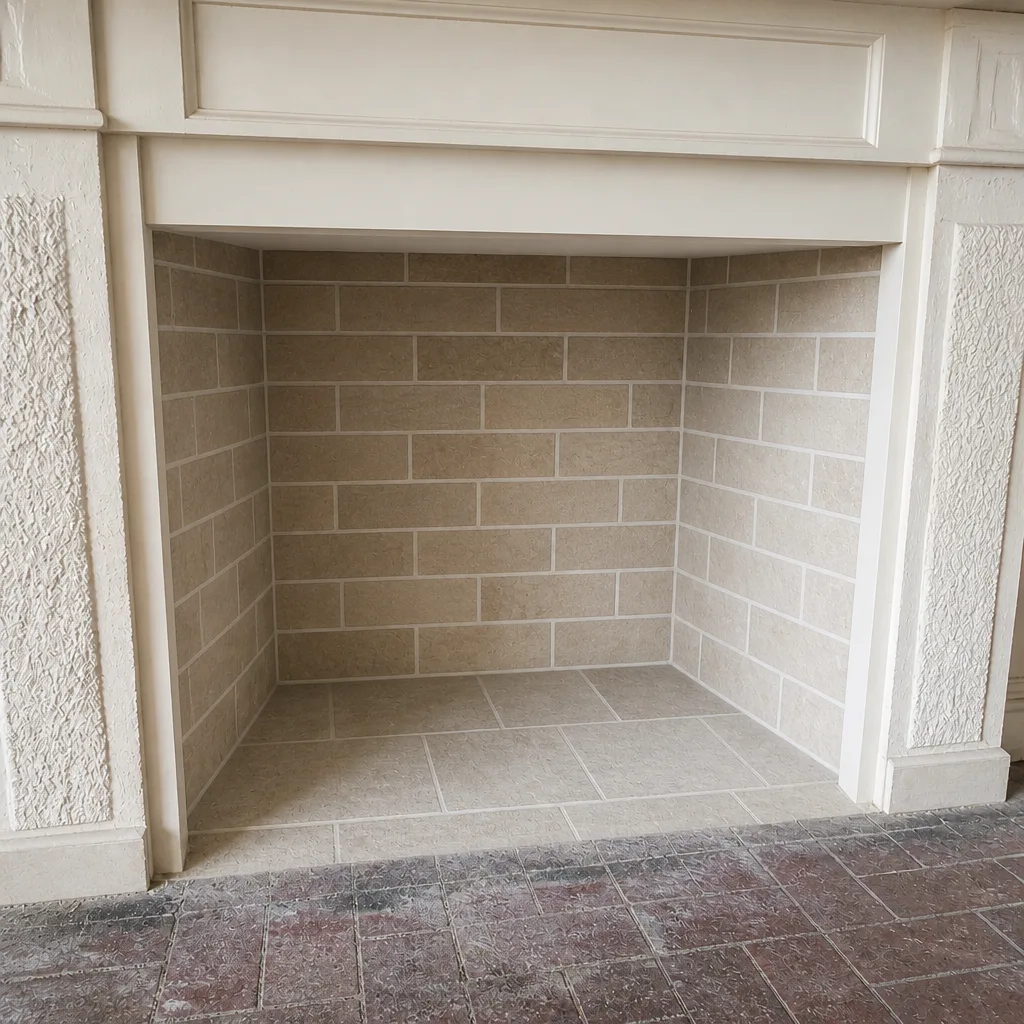 After
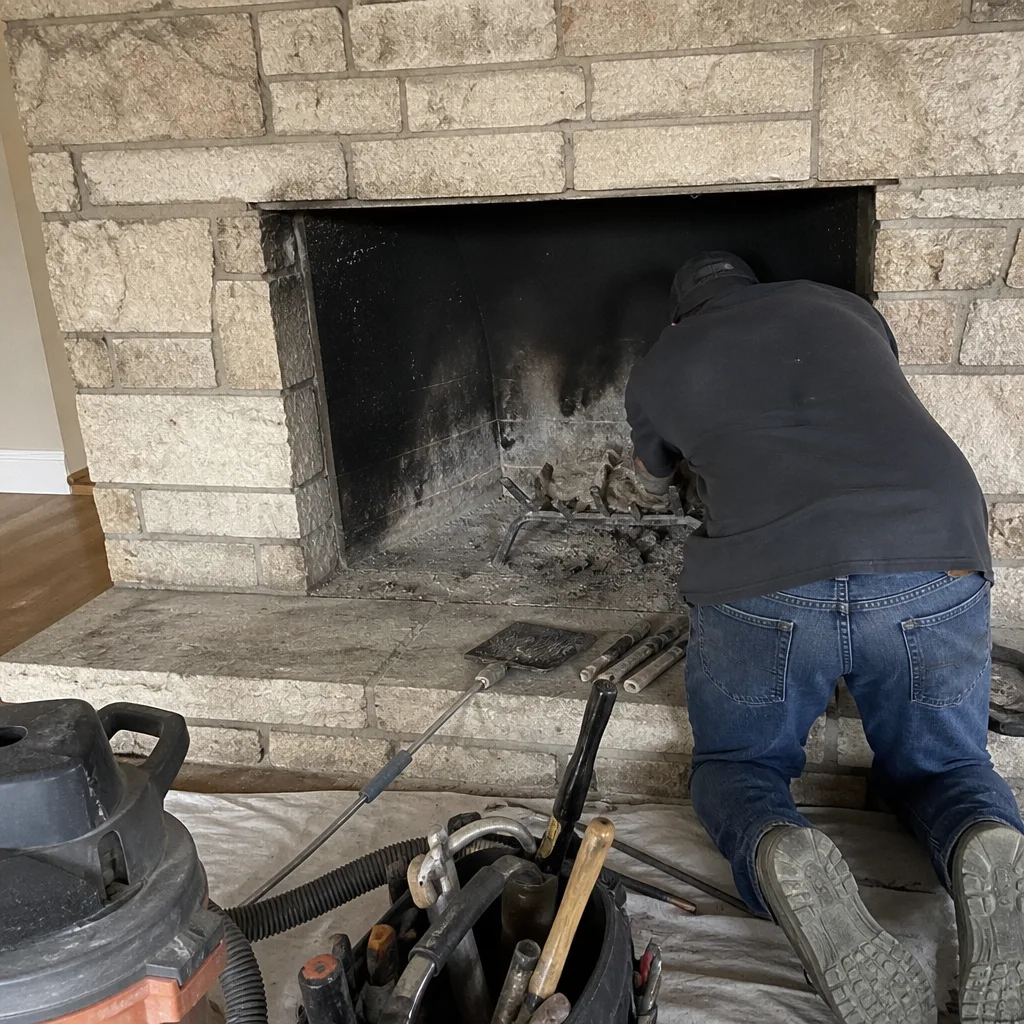 Before
 After
 Before
 After
When to Call a Professional
Some jobs are homeowner work. Some are sweep work. The line is usually clear once you know what to look for. Call a professional if you’ve moved into a Westminster home and don’t know when the chimney was last swept, if you’ve noticed a draft that wasn’t there before, if the fire smokes back into the room, if you see visible cracking or spalling in the firebox or on the crown, if the cap is damaged, or if it’s been more than a year since the last inspection. If you’re using the fireplace heavily through the heating season, an annual inspection is the right schedule. Hillcrest Chimney Sweep offers free estimates in Westminster. Call (844) 785-0715 to book an inspection, a sweep, or a repair conversation.
Frequently Asked Questions
The best chimney cleaning product is a professional sweep, not a bottle. In our experience, the cleaning that actually removes creosote is mechanical, done with a brush by a trained hand after an inspection. A retail creosote log or soot spray can slow minor buildup between visits, but it doesn’t replace the sweep. The professional product tier, including the CSL Cre-Away line and similar modifiers, is applied after an inspection because the chemistry only works when the technician knows what’s in the flue. Call (844) 785-0715 for an exact quote; estimates are free.
Chimney sweeps in Westminster typically run in the range of a routine residential sweep, and the exact price depends on the appliance, the flue configuration, and whether an inspection is included. We set the price per job by written estimate, so there’s no surprise figure after the work starts. Our technicians have up to 9 years of experience, and the estimate tells you what the job involves before you book. Call (844) 785-0715 for an exact quote; estimates are free.
A creosote modifier changes the chemistry of creosote already on the flue walls so the next sweep can remove it more easily. It doesn’t remove creosote itself, and it can’t handle glazed third-degree deposits. The product is a prep step, not the sweep. If a modifier is being sold to you as a complete treatment, that’s not what it is. Call (844) 785-0715 if you want to know what your chimney actually needs.
Stainless steel is the better choice for a wood-burning flue in Westminster. Aluminum caps deform under thermal cycling and hail, and the Front Range punishes both. Stainless handles the freeze-thaw cycle and the seasonal temperature swings that define this climate. Copper is the premium upgrade when budget allows. For gas appliances with little heat exposure, aluminum is sometimes adequate, but for anything wood-burning, stainless is the standard. Call (844) 785-0715 to talk through cap options.
A damaged liner can’t be fixed with a consumer product. It can be repaired from the inside with a professional ceramic resurfacing system like HeatShield when the damage is eligible, or it can be replaced with a flexible stainless system like DuraFlex when resurfacing isn’t appropriate. The decision comes from a camera inspection, and the recommendation should come with the video footage so you can see the condition for yourself. Nothing is recommended without camera evidence you can look at. Call (844) 785-0715 for an inspection and estimate.
Dry, seasoned firewood is the highest-value product you can use. Burning wood under 20% moisture content cuts creosote formation more than any additive. A retail soot log used occasionally between sweeps is reasonable, and a visual check of the cap from the ground with binoculars catches problems early. What you shouldn’t do is apply a creosote modifier without an inspection or take a brush to the flue yourself. Liner damage from the wrong tool is a real risk. Call (844) 785-0715 if you’re not sure what your chimney needs.
The Bottom Line
Chimney cleaning isn’t a single category, and the label on a bottle is not the same as a product tier. The professional brands, the ones that show up in chimney supply channels with test documentation and material specs, exist for a reason, and the retail shelf exists for a different one. In Westminster, with its long heating season and freeze-thaw winters, the difference between a proper repair and a product guess is measured in fire risk. If you work with one company that inspects, sweeps, and repairs, you get a coherent material recommendation instead of three slices of a chimney and no one accountable for the whole. That’s what we do at Westminster-based Hillcrest Chimney Sweep: we inspect it, sweep it, and fix it, all under one roof.
If you’re not sure which product, brand, or service your chimney actually needs, that’s the conversation to have before you buy anything. Call (844) 785-0715. We answer 24/7. Fast dispatch from 7am to 7pm, Sunday through Friday. Estimates are free, and we’ll tell you exactly what your chimney needs, and nothing it doesn’t.
Written by the team at Hillcrest Chimney Sweep.