
Last updated November 15, 2026
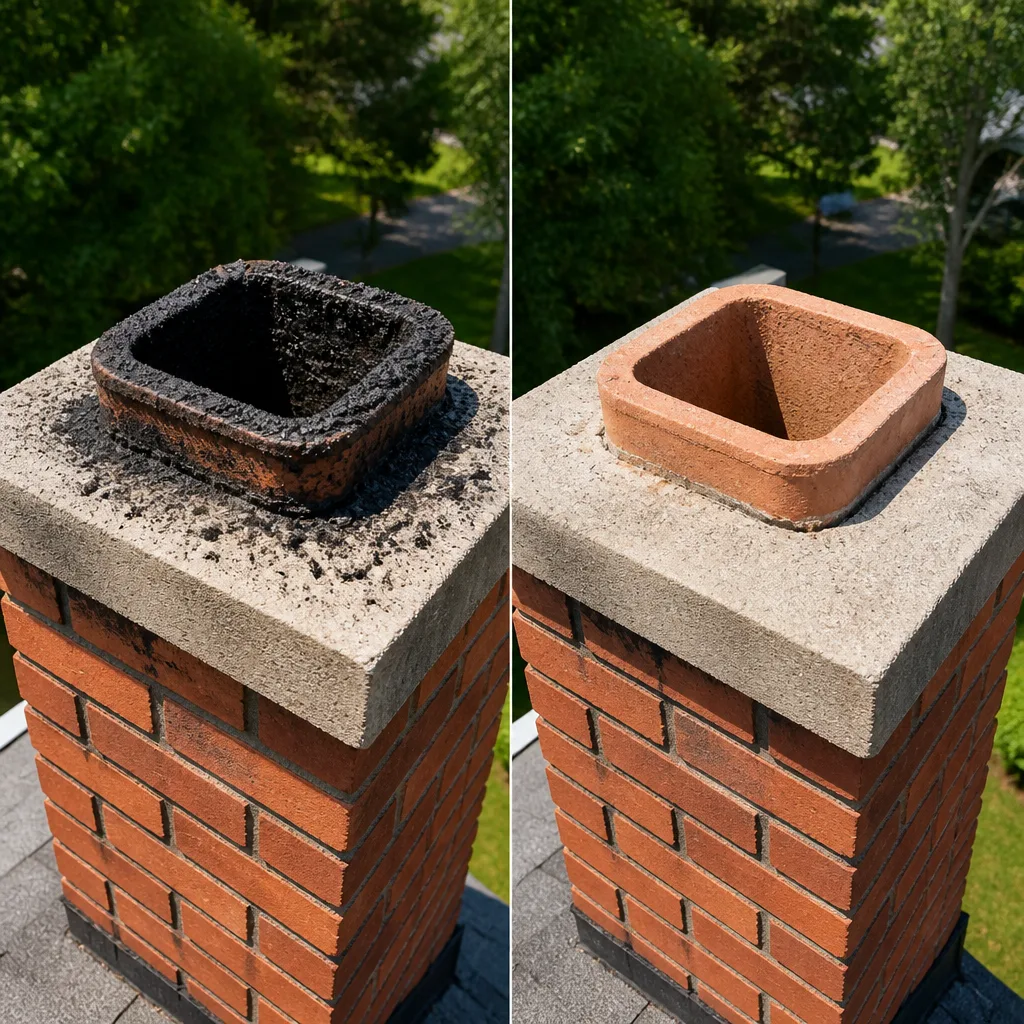 Sweep & inspection
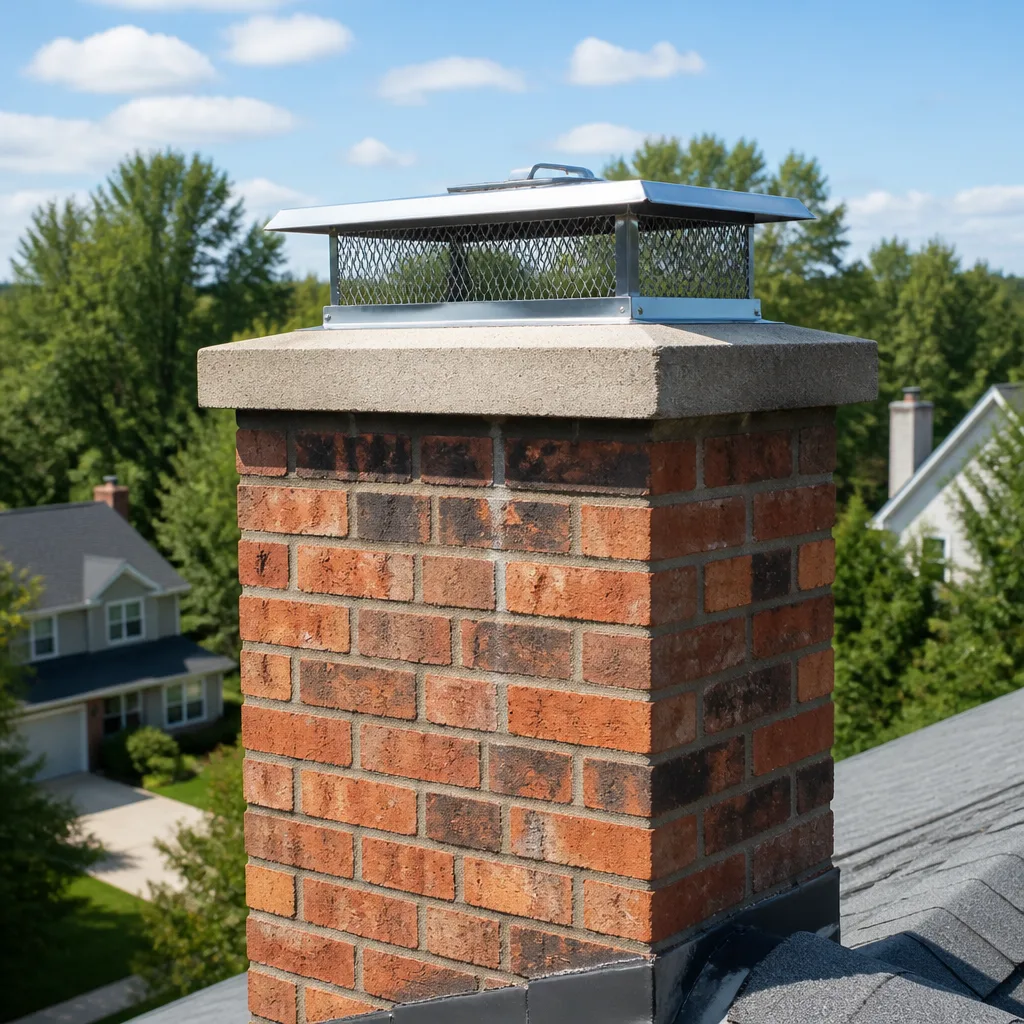 Caps & crowns
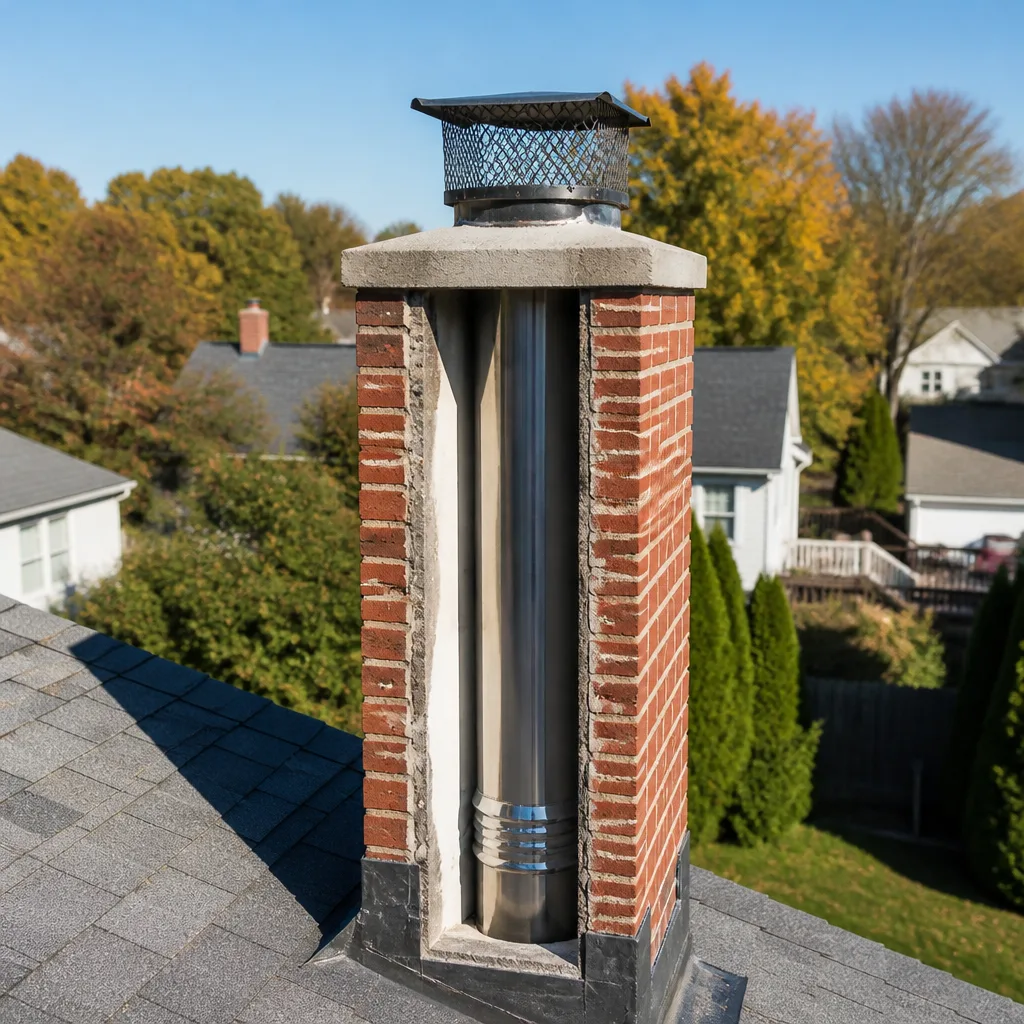 Flue relining
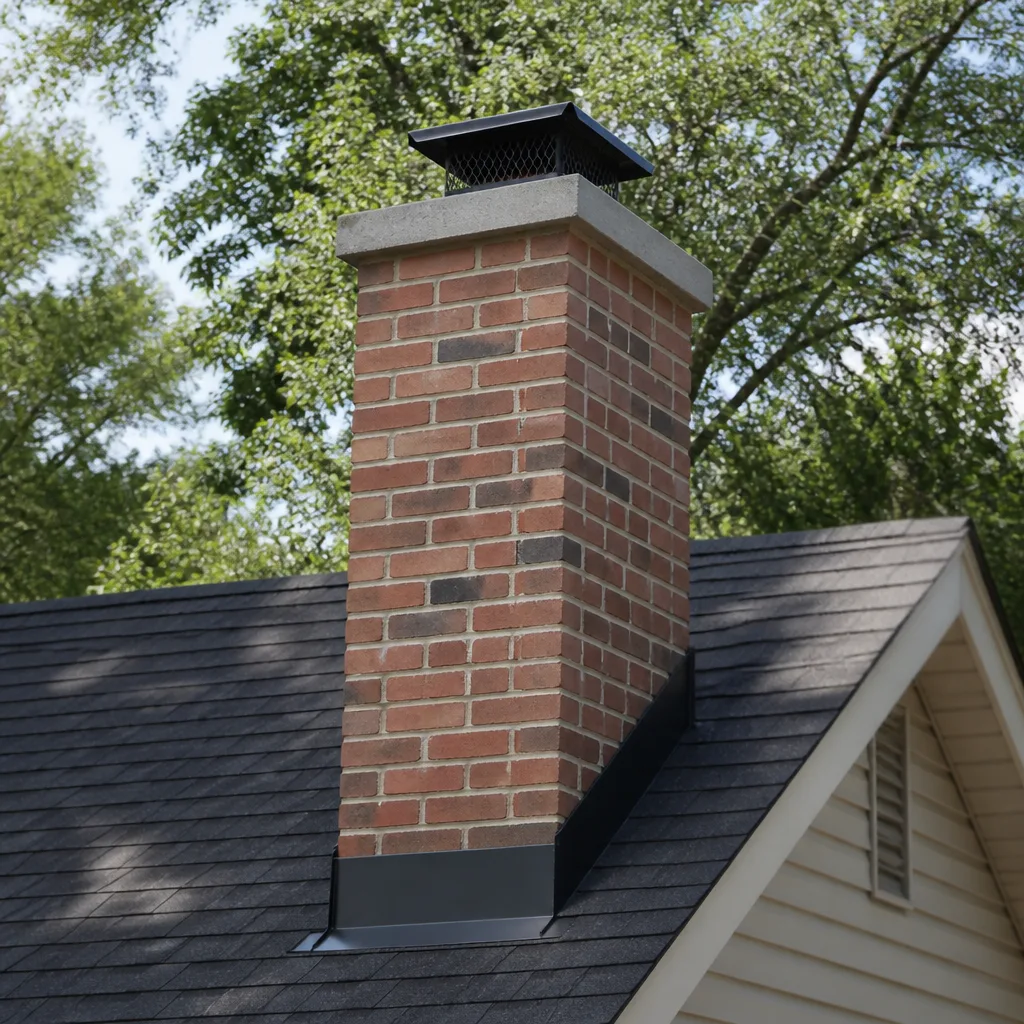 Masonry repair
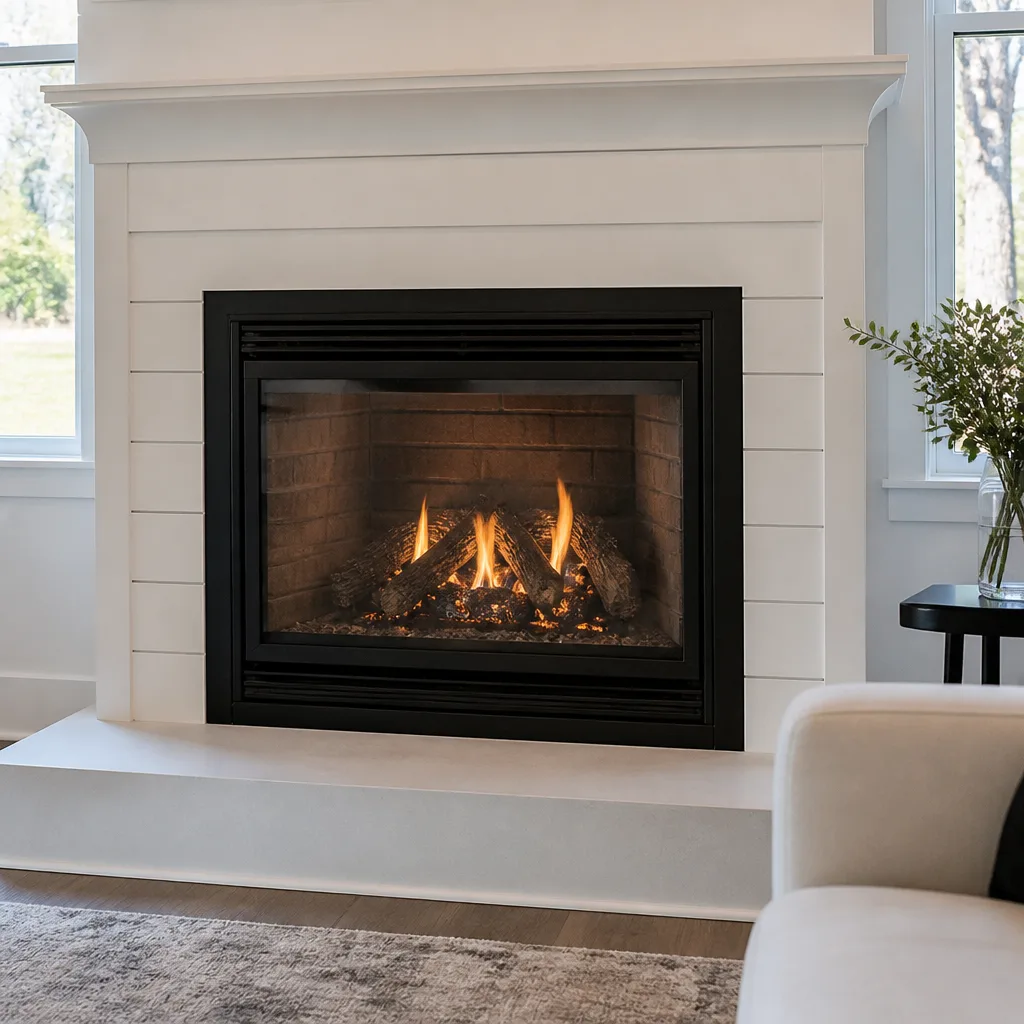 Gas fireplace service
Level 1 sweep and inspection to the NFPA 211 annual standard - flue, crown, cap, and flashing checked and photographed
Chimney sweep logs do not sweep chimneys. They loosen some creosote - which then falls where a brush and vacuum still have to collect it.
Chimney Inspection Troubleshooting in Westminster: Common Problems and How to Fix Them
A homeowner who replaces a damper to fix a smoky fireplace and still has a smoky fireplace six months later isn’t unlucky. They were sold a solution before anyone identified the real problem. That pattern repeats in Westminster more often than you’d think, because chimney symptoms are rarely a one-to-one match with a single cause. White staining on brick, smoke that rolls in at ignition, and a smell that only shows up on warm days all point to different failures. This guide teaches you to read the evidence your chimney is already giving you, so you can separate a problem that can wait from one that needs attention before you light another fire in Westminster.
Quick Answer
Most chimney problems in Westminster trace back to one of five causes: a blocked or undersized flue, negative pressure inside the house, water intrusion through a failing cap or crown, a cracked or deteriorated liner, or an animal or debris obstruction. The symptom you notice (smoke, odor, staining) tells you which category to investigate first, but only a hands-on inspection confirms it. When the evidence points toward the flue or liner, stop using the fireplace until it’s been inspected.
Styles & brands we work with
- Sweep & inspection
- Caps & crowns
- Flue relining
- Masonry repair
- Gas fireplace service
Table of Contents
- Reading the Symptoms Before You Call Anyone
- What Brick Staining Tells You About Your Chimney
- Draft Problems: Pressure vs. Obstruction
- How Smoke Behavior Points to the Cause
- Troubleshooting Chimney Odor: Three Distinct Smells
- What Can Wait and What Can’t
- What a Westminster Chimney Inspection Actually Involves
- Common Mistakes to Avoid
- When to Call a Professional
- Frequently Asked Questions
If you’re new to how this whole system works together, start with the broader overview at Hillcrest Chimney Sweep before diving into the symptom-by-symptom sections below.
Reading the Symptoms Before You Call Anyone
Chimneys fail like most building systems: in stages, with early signals that get ignored. A chimney in Westminster typically sits through dry summers, freeze-thaw swings in winter, and spring moisture cycles that all push on masonry and metal. The evidence those cycles leave is readable. Before you pick up the phone or start pricing repairs, walk around the outside of the house and look up, then look inside the firebox with a flashlight.
Here’s a practical order of operations for reading your own chimney’s evidence:
- Look at the exterior brick and the chimney cap. Cracks, spalling faces, or a cap that’s tilted or missing point to water intrusion.
- Check the firebox for staining, soot patterns and cracks in the brick. Cracks in the firebox brick itself are a stop-use issue, not a routine one.
- Notice when the symptom happens. Does it only happen when the furnace kicks on, right after ignition, or after the fire has been burning a while?
- Smell the chimney on a warm day with no fire. The nature of the smell narrows the investigation before anyone arrives.
- Ask about the last inspection. If it’s been over a year, or if you bought the home recently with no documentation, that’s your starting point.
This matters because the cheapest repair is the one the evidence actually supports. A chimney that only drafts poorly when the kitchen exhaust fan runs doesn’t need a new damper. It needs a pressure diagnosis. Getting the sequence right saves both money and the second call.
What Brick Staining Tells You About Your Chimney
Staining on the exterior of a Westminster chimney is diagnostic. The color, the location, and the texture each point to a different failure. Homeowners often assume any stain means the chimney needs repointing. That’s sometimes right and sometimes the exact wrong fix.
White staining (efflorescence)
Efflorescence is the powdery white residue left when water passes through masonry and evaporates off the surface, carrying dissolved salts with it. It’s a moisture problem, and the moisture is getting in somewhere. The most common culprits are a failing crown, a loose flashing seal at the roofline, or porous brick absorbing driven rain. The stain itself is harmless. The water path that created it is not, because repeated wetting and drying cycles break down brick and mortar over time.
Brown or rust-toned staining
Brown runs usually indicate water reacting with metal somewhere in the system: a corroded cap, a rusted chase cover, or a failing metal liner releasing iron oxide into the masonry. On a Westminster home with an older metal flue component, rust staining at the top of the chimney is one of the clearest signals that water is getting past the cap assembly.
Black streaking
Black streaking is not a water problem. It’s combustion byproduct escaping where it shouldn’t. Heavy black staining at the top of the chimney usually signals a draft issue that’s causing smoke to back up and deposit creosote at the flue opening. Streaking down the face of the brick can point to a cracked flue tile or a gap in the liner that’s venting smoke into the masonry cavity rather than out the top.
Read the pattern, not just the color. A stain that’s concentrated near the cap is a different problem from one that runs the full height of the chimney. If the staining is accompanied by any interior smoke or draft complaint, the chimney gets inspected before the next fire, not after.
Draft Problems: Pressure vs. Obstruction
Here’s where Westminster homeowners lose the most money. A smoky fireplace has two very different root causes, and the wrong diagnosis fixes neither. A chimney can fail to draft because the house is pulling air down the flue faster than the fire can push smoke up. Or it can fail because something is physically in the way of the smoke leaving. The two feel identical from the couch.
Signs of a negative pressure problem
Negative house pressure is increasingly common in Westminster, and the reasons are mostly good ones. Tight modern construction, sealed windows, kitchen and bath exhaust fans, clothes dryers, and powerful range hoods all compete with the chimney for air. A house that’s too tight pushes air down the flue to replace what’s being sucked out elsewhere. Telltale signs include:
- The fireplace smokes only when another exhaust fan is running.
- Smoke improves noticeably when you crack a window near the fireplace.
- The problem appeared after a remodel, a window replacement, or a new furnace install.
- The chimney drafts better on windy days than on still ones.
Signs of an obstruction or sizing mismatch
Obstruction and sizing problems behave differently. If the flue is blocked by a bird nest, a fallen tile, or a collapsed liner, a window won’t help. The chimney smokes every time, in every condition. A flue that’s undersized for the firebox opening (common in older homes converted to newer appliances) has the same consistent pattern. The fire can’t push its volume of smoke through a flue that’s too narrow, so smoke backs up regardless of pressure conditions. Spalling flue tiles, a missing cap with debris visible at the top, and a firebox opening much wider than the flue diameter are all causes for a camera inspection.
The window test is the fastest field check. If cracking a near window fixes the draft, you’re likely looking at a pressure problem. If it makes no difference, you’re likely looking at a physical obstruction or a sizing mismatch. That doesn’t tell you the fix, but it tells the technician where to look.
How Smoke Behavior Points to the Cause
Timing tells you more than intensity. When a technician watches smoke, they’re watching the sequence. Two fires that both “smoke into the room” can have completely different causes, and the timing of the smoke is the fastest way to tell them apart.
Smoke that rolls in immediately on ignition
If smoke pours into the room the second the fire starts, the flue hasn’t drawn yet. That’s often normal during the first minute as warm air rises. But if it consistently keeps happening for several minutes before the draft establishes, the problem is usually the cold flue stack. A cold column of dense air in the flue has to be displaced by the fire before the chimney starts pulling. In Westminster, this is more pronounced on cold mornings and in homes where the fireplace hasn’t been used in months. A blocked cap, a flue that’s cold-soaking, or negative pressure can all produce this pattern. The distinguishing test is whether it clears and drafts normally after a few minutes.
Smoke that starts rolling in after 20 minutes
Later smoke is a different diagnosis. If the fire burns clean for 15 or 20 minutes and then starts backing up, the flue is getting overwhelmed. That points to a sizing problem, a partial obstruction that can’t keep up with the volume, or a flue that’s cooling as the fire grows. It can also indicate a liner leak that’s venting smoke into the chimney chase. Late smoke is more concerning than early smoke because it usually means the system is physically incapable of moving the smoke it’s producing.
Smoke that only happens when a fan runs
House fans dropping the pressure inside the house are a Westminster-specific issue in newer, tight construction. If the smoke happens when the bathroom fan, range hood, or dryer is on, that’s negative pressure. If it happens independent of fans, look at obstruction or sizing first.
Either way, backdrafting smoke into living space is a carbon monoxide concern, not just a mess. If the chimney is producing smoke inside the home, it’s not venting combustion gases safely. Stop using the fireplace and get an inspection.
Troubleshooting Chimney Odor: Three Distinct Smells
Chimney odor is one of the hardest problems to solve blind, because three completely different failures smell different but convince homeowners of the same wrong diagnosis. The smell itself narrows the investigation. Match the smell to the likely cause before anyone climbs on the roof.
The creosote smell
A sharp, tar-like, smoky smell on mild or humid days with no fire burning is usually creosote. It’s more common in a wood-burning chimney that’s due for a sweep, and it’s stronger on warm days because cool air in the chimney is pushing the smell back into the house through the firebox. The diagnostic finding is a flue with heavy creosote deposits, and the fix is a sweep with an inspection to confirm the liner isn’t damaged underneath. If the creosote is glazed or hardened, that’s a sign the chimney has been running cool, and the liner gets checked thoroughly. A chimney sweep resolves most creosote-driven odor, but the inspection confirms the liner is sound.
The mold or moisture smell
An earthy, damp, musty odor almost always means water. It usually appears after rain or during Westminster’s spring melt cycle, and it’s the smell of damp masonry or a moisture-saturated flue. The inspection finding is water intrusion somewhere in the system: a missing or damaged cap, a cracked crown, failed flashing, or a rusted chase cover. This is the smell you can’t sweep away, because the problem is a leak. A cap and crown repair resolves it once the water source is confirmed.
The animal intrusion smell
A distinct ammonia or decay smell, often with scratching or fluttering sounds, is an animal or nest problem. Birds, squirrels, and raccoons find an uncapped flue in Westminster’s neighborhoods easy to enter. The inspection finding is a nest or debris blockage at the top of the flue, often with the bird itself still present. The fix is a professional removal followed by a proper cap installation. Never light a fire with an active nest in the flue, because creosote and blockage combined can push smoke straight back into the house.
In all three cases, the smell is the smoke alarm of chimney diagnostics. It tells you something is wrong, not what. The inspection tells you what.
What Can Wait and What Can’t
Not every finding is a same-day problem, and being told everything is urgent is exactly what makes homeowners distrust chimney contractors. Some issues are genuinely monitor-and-schedule. Others have to come off the table before the next fire. Getting this distinction right is the difference between a safe chimney and a dangerous one.
Can wait, monitor, and schedule
- Minor efflorescence with no interior moisture – white staining that’s powdery and hasn’t spread is worth a look, but a small patch on a dry exterior chimney can be monitored and scheduled for a crown or flashing check.
- A creosote smell with an otherwise functional fireplace – an annual sweep is due, and it’s a booking, not a hazard call.
- A missing cap on a chimney that isn’t in active use – a cap replacement protects the flue from rain and animals and should be scheduled, but a fire isn’t likely until it’s done.
- Draft that only appears with an exhaust fan running – a pressure diagnosis can be scheduled, and a window can be cracked in the meantime while the fire is in use.
Needs inspection before the next fire
- Smoke actively backing into the room – this is combustion gases entering living space. Stop using the fireplace and get an inspection.
- Cracks in the firebox brick or visible cracks in the flue liner – both are structural failures that put heat and gases against unprotected material.
- A rust or brown stain running the full height of the chimney – water is getting into the metal components, and the liner needs checking before the next fire.
- An ammonia or decay smell with scratching – an active nest is a blockage and a fire risk. Clear it before lighting anything.
- Glazed or hardened creosote in the flue – the sweep happens before the next fire, not after.
The pattern to remember: anything involving combustion gases entering the house, structural cracks, or active blockage is a stop-use issue. Anything involving water, stain, or a due sweep is a booking issue. If you’ve recently bought a Westminster home and there’s no inspection record, treat the whole chimney as unknown until it’s been looked at.
What a Westminster Chimney Inspection Actually Involves
A real inspection isn’t a technician shining a light up the flue and guessing. It’s a sequence of checks that confirms or rules out the hypotheses the symptoms raised. Here’s what the process looks like when it’s done properly in Westminster, and what you should expect to see by the end.
The three-phase cycle
The most effective chimney work runs in one continuous cycle: Inspect, Sweep, Repair. The inspection identifies the problem. The sweep clears the flue so the inspection findings can be trusted and the chimney is safe to use. The repair fixes what the inspection found. When those three phases are handled by separate contractors, findings get lost between handoffs and the repair is often only partly connected to the actual cause. We inspect it, sweep it, and fix it all under one roof at Hillcrest Chimney Sweep.
What we check
- Exterior: cap, crown, flashing, and brick face. Staining, cracking, and spalling get documented before the ladder is put away.
- Firebox and damper. Cracks in the firebox brick, a warped or seized damper, and soot patterns all get recorded.
- Flue: visual and camera. A camera run up the flue shows cracks, gaps, creosote thickness, and obstruction that a visual look can’t reach.
- Liner condition and sizing. Both the integrity of the liner and whether it matches the firebox opening are checked, because sizing mismatches cause draft problems no sweep will fix.
- Airflow and pressure test. Where draft is the complaint, the fan-and-window test confirms whether the issue is negative pressure or obstruction.
- Photo report. The findings get documented so you can see exactly what we saw.
What we recommend and don’t
We’ll tell you exactly what your chimney needs and nothing it doesn’t. A chimney with minor staining and a sound liner gets a sweep and a scheduling note, not a liner repair. A chimney with a cracked flue tile gets a real conversation about liner options. Where the liner is deteriorated but still serviceable, HeatShield ceramic resurfacing can restore it without a full replacement. Where the liner needs to be replaced outright, we install DuraFlex flexible liner systems, and we use Olympia Chimney components where they’re the right fit. Cap and crown work uses professional-grade hardware from brands like Copperfield and Famco. The product choice follows the diagnosis, never the other way around.
If the inspection finds something that can safely wait, we say so. Our technicians have up to 9 years of experience and they know the difference between a finding worth a booking and a finding worth a stop-use warning. You get the photo evidence and the reasoning either way. For chimney repair beyond sweeping and inspection, the same diagnostic standard applies.
Common Mistakes to Avoid
- Replacing the damper before diagnosing the smoke. A damper is only one possible cause of backdraft, and it’s usually not the cause when the fire actually burns fine and the smoke starts later. If a window crack changes the smoke behavior, the damper was never the problem.
- Assuming white staining means the chimney needs repointing. Efflorescence is a water-path symptom, and repointing over a leak that’s still active just delays the failure. Find the moisture source first, then repoint if the mortar is actually failing.
- Booking a sweep as a fix for a draft problem. A sweep clears creosote and debris. It won’t fix an undersized flue, a negative-pressure house, or a cracked liner. If the complaint is draft, the inspection has to come before the sweep, not after.
- Lighting a fire with an animal nest in the flue. In Westminster’s mature neighborhoods, caps go missing and birds move in. Combustion with a blocked flue pushes smoke and carbon monoxide straight back into the room. Clear it professionally first.
- Skipping the inspection after a home purchase. If there’s no documented inspection when you buy a Westminster home, the chimney is unknown until it’s been looked at. That’s true even when the sellers say it was recently swept.
- Chalking a brown stain up to age. Brown or rust-toned staining is metal or water failure, and it’s the kind of finding that’s cheap at a scheduled inspection and expensive after a season of use.
- Treating a glazed creosote reading as a routine sweep. Glazed creosote is a sign the chimney was running cool and the liner may be damaged underneath. It gets a camera inspection, not just a brush.
When to Call a Professional
Call a professional when the evidence points anywhere near the flue, the liner, or combustion gas entering the house. Smoke backdrafting into living space, cracks in the firebox or visible liner damage, an active nest, or a rust stain that runs the height of the chimney are all conditions that should be inspected before another fire is lit. A creosote smell that keeps returning after a sweep is a second call, because it usually means the underlying cause wasn’t fully diagnosed. And if you can’t remember the last inspection, or the home came with no documentation, that alone is reason enough to book one. In Westminster, a pre-season inspection before burning season is the easiest scheduling decision of the year. Hillcrest Chimney Sweep offers free estimates in Westminster, with camera inspection and a photo report included so you can see the evidence for yourself. Call (844) 785-0715.
Frequently Asked Questions
Chimney inspections in Westminster are quoted per job by written estimate, and the estimate is free. The final price depends on whether the inspection is visual or includes a camera run and whether any sweep or repair work is done in the same visit. Call (844) 785-0715 for an exact quote. Estimates are free.
Sometimes. If the smoke only happens when an exhaust fan is running, the cause is often negative pressure and a simple airflow adjustment can help. If the smoke happens independent of fans, or after 20 minutes of burning, it’s usually a physical issue that needs an inspection. The window test tells you which path you’re on.
The white powder itself is harmless; the water path that created it is the concern. Left unchecked, repeated wetting and drying cycles degrade mortar and brick. Have the crown, flashing, and cap checked so the source of the moisture is confirmed, and schedule the repair before the masonry weakens further.
A sweep is for creosote and debris, and a repair is for structural or component failure. The smell of creosote on a warm day usually points to a sweep. Smoke backing into the room, rust staining, or cracks in the flue point to a repair. The inspection confirms which is due, and it’s always the inspection first.
Warm days reverse the thermal stack inside a cold flue, pushing trapped air and creosote odor down into the house. That’s the most common cause of seasonal odor in Westminster. If the smell is damp and musty rather than smoky, it’s moisture intrusion instead, and the inspection looks for the water source.
Newer Westminster construction is often built tight for energy efficiency, and tight houses put the chimney in direct competition with exhaust fans and HVAC equipment for air. A smoky fireplace in a newer home frequently points to negative pressure, not a damaged chimney. An airflow and pressure test confirms it. Call (844) 785-0715 to book one.
The Bottom Line
Your chimney is already telling you what’s wrong. White staining points to water, brown staining to metal or moisture, black streaking to combustion byproduct escaping where it shouldn’t. Smoke at ignition points to a cold or blocked flue, smoke after 20 minutes to a sizing or obstruction problem, and smoke only when a fan runs to negative pressure. The smell narrows it further: creosote, moisture, or animal. Read the evidence, sort the finding into monitor-or-stop, and only then choose the fix. That sequence is what separates a chimney that’s genuinely resolved from one that gets a second, more expensive call six months later. For a real diagnosis in Westminster, we inspect it, sweep it, and fix it under one company, from cap to firebox. Call (844) 785-0715 for a free estimate. We answer 24/7. Fast dispatch from 7am to 7pm, Sunday through Friday. Explore Westminster service details for more on how we handle local chimneys.
Written by the team at Hillcrest Chimney Sweep.
See the difference
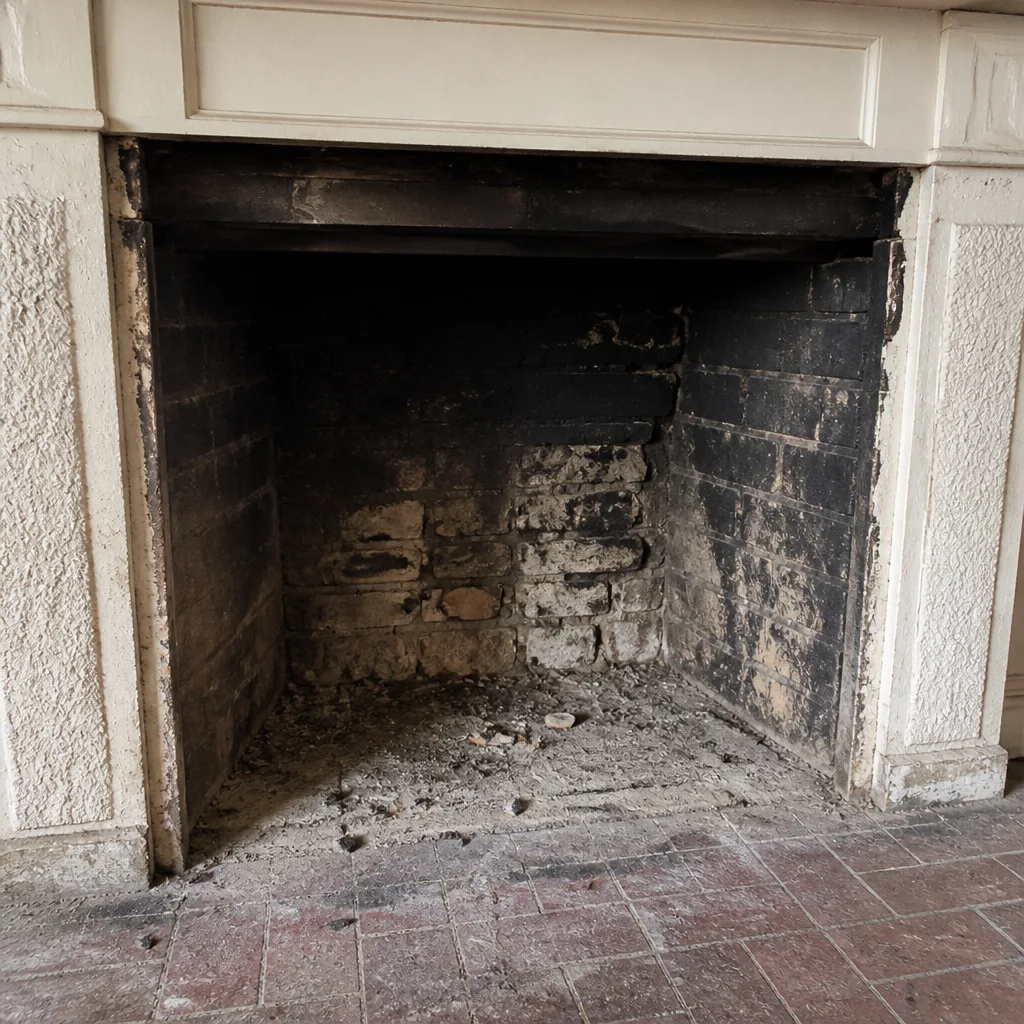 Before
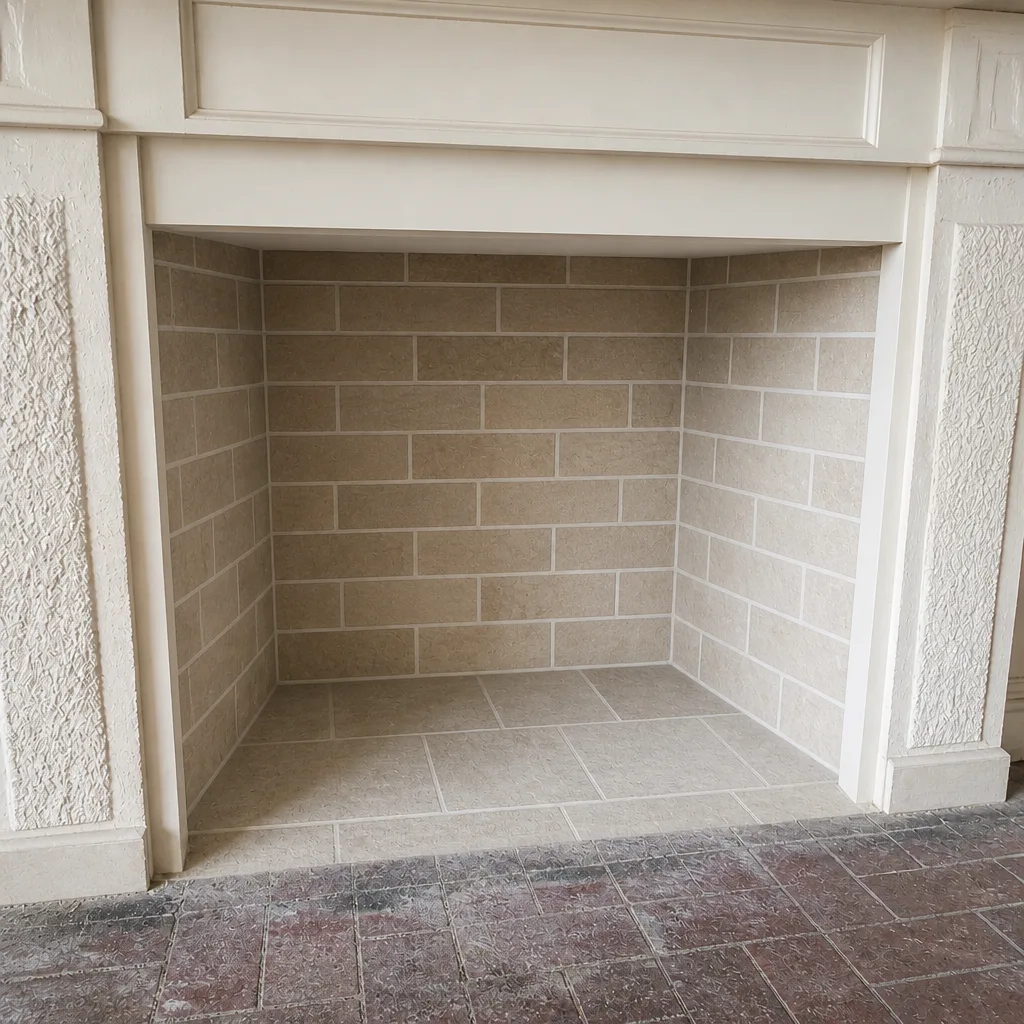 After
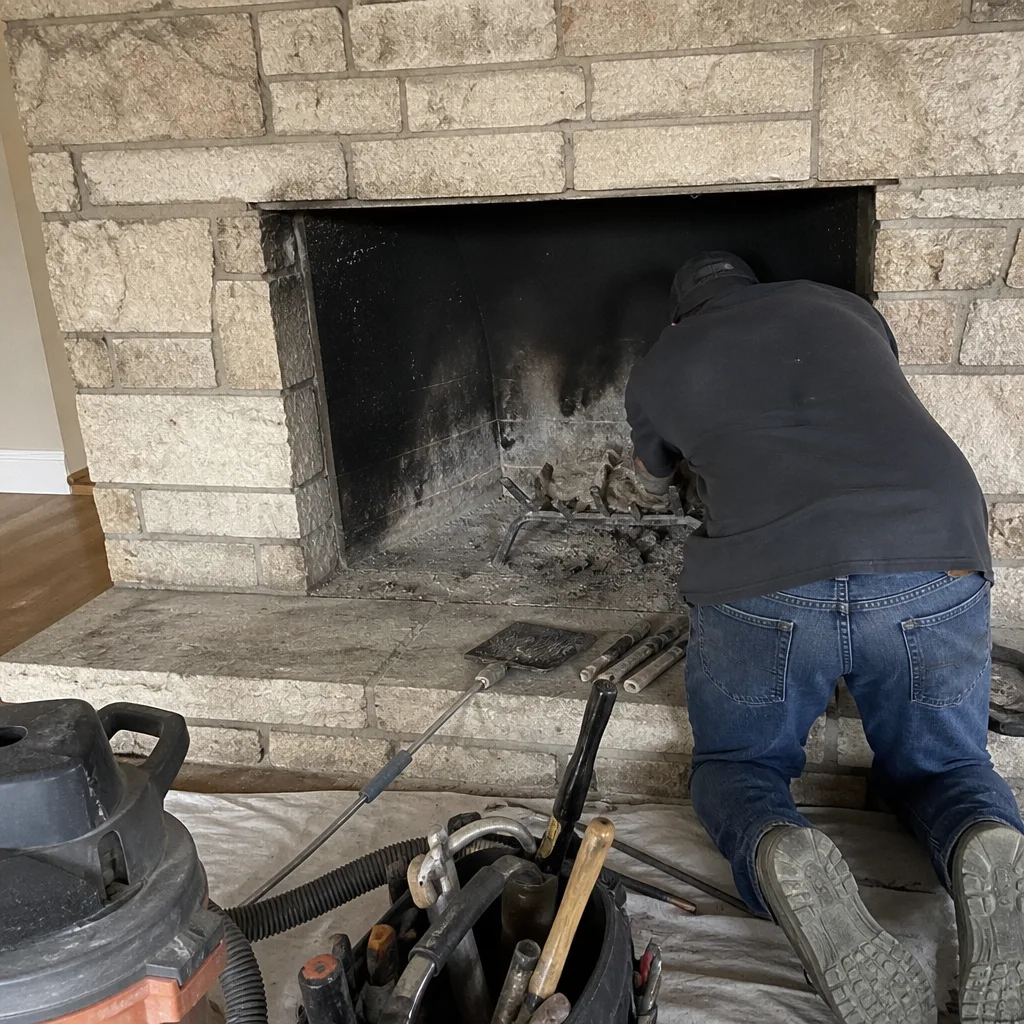 Before
 After
 Before
 After