
Last updated November 15, 2026
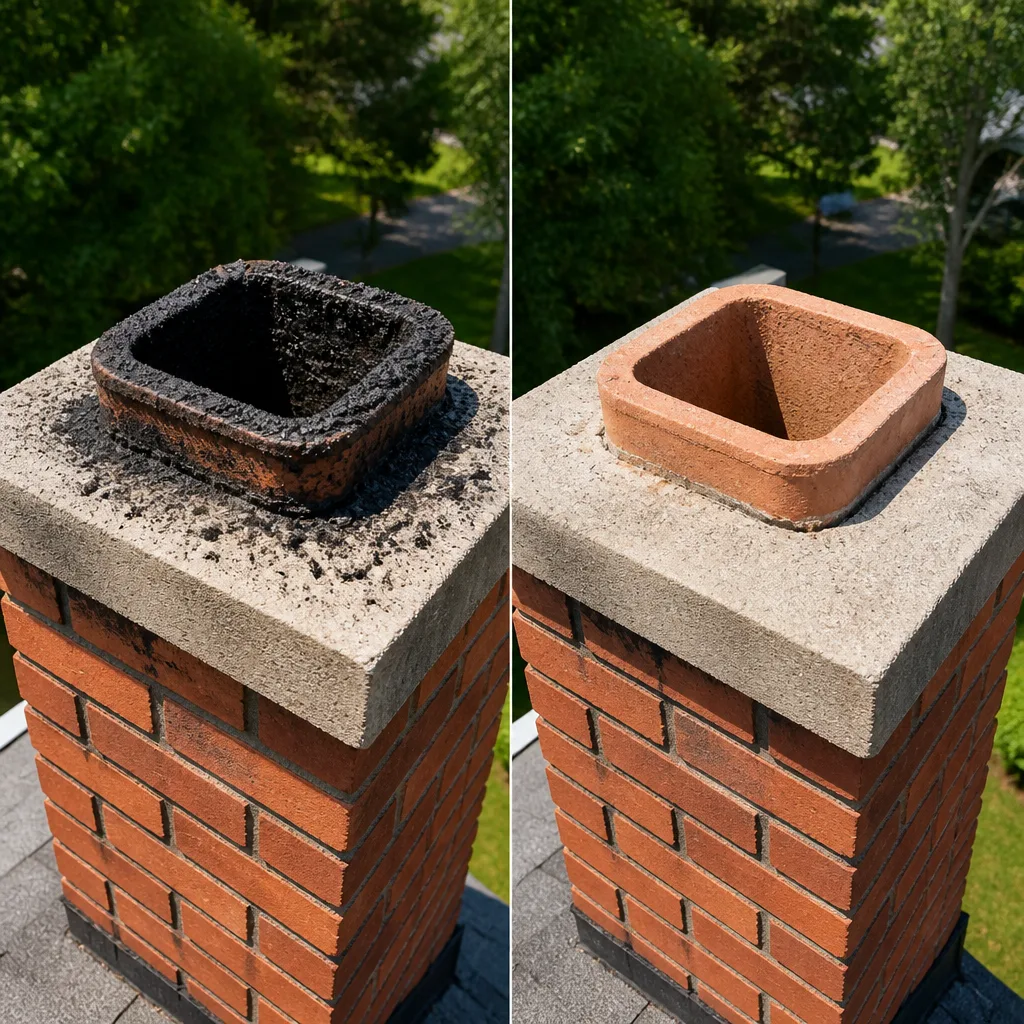 Sweep & inspection
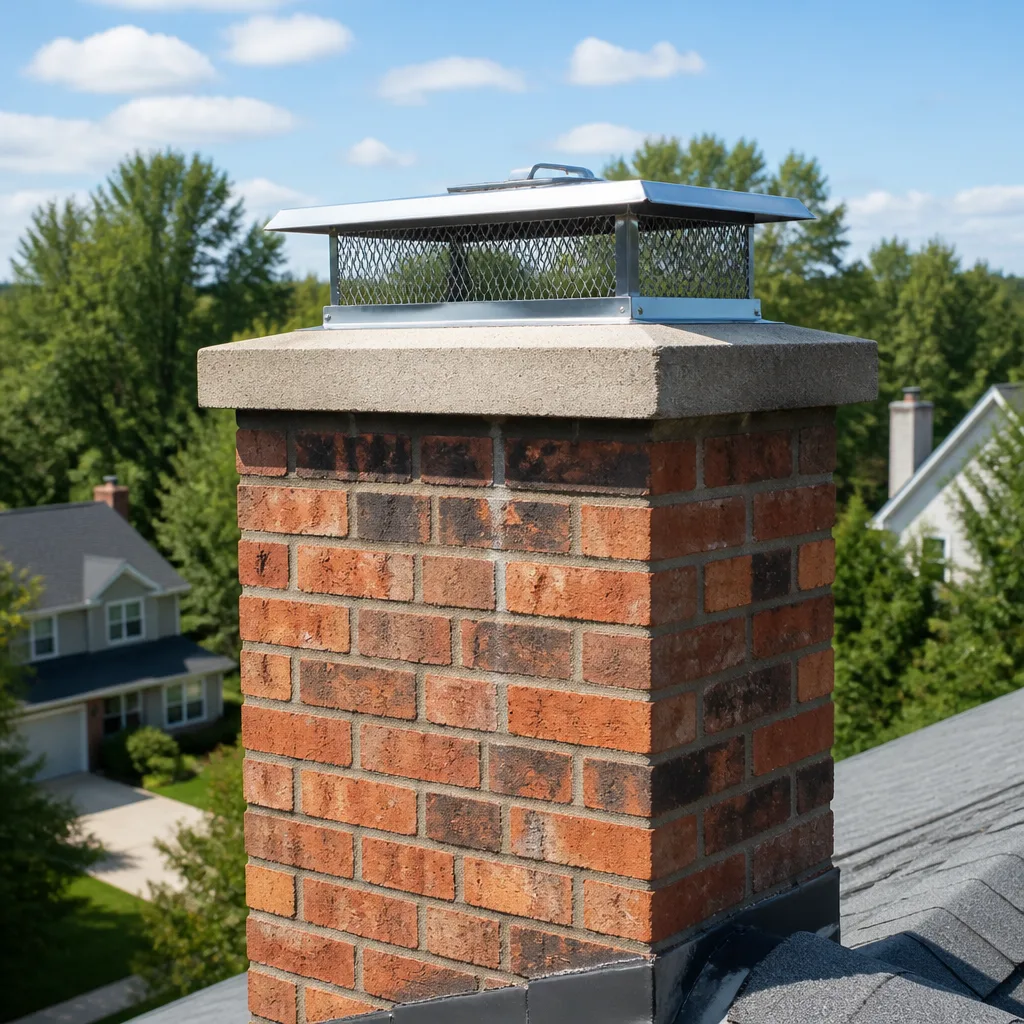 Caps & crowns
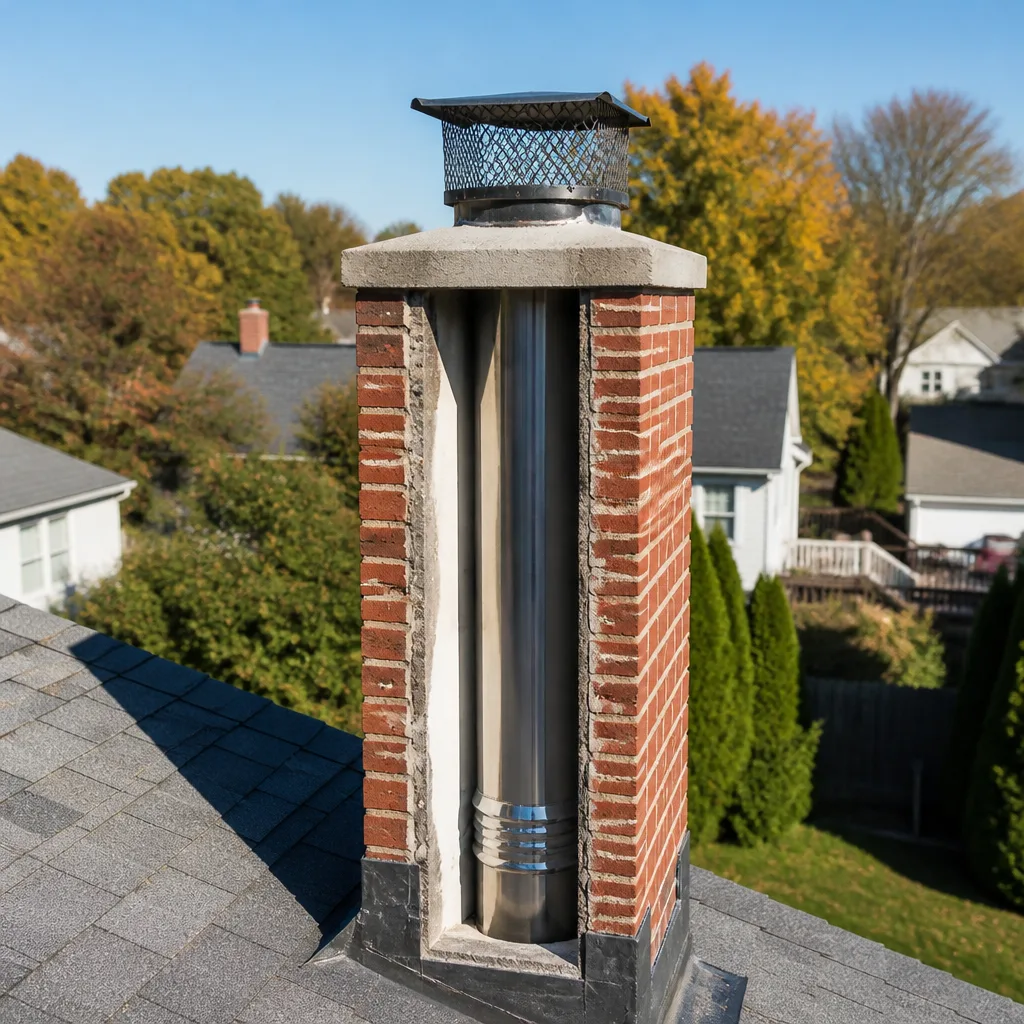 Flue relining
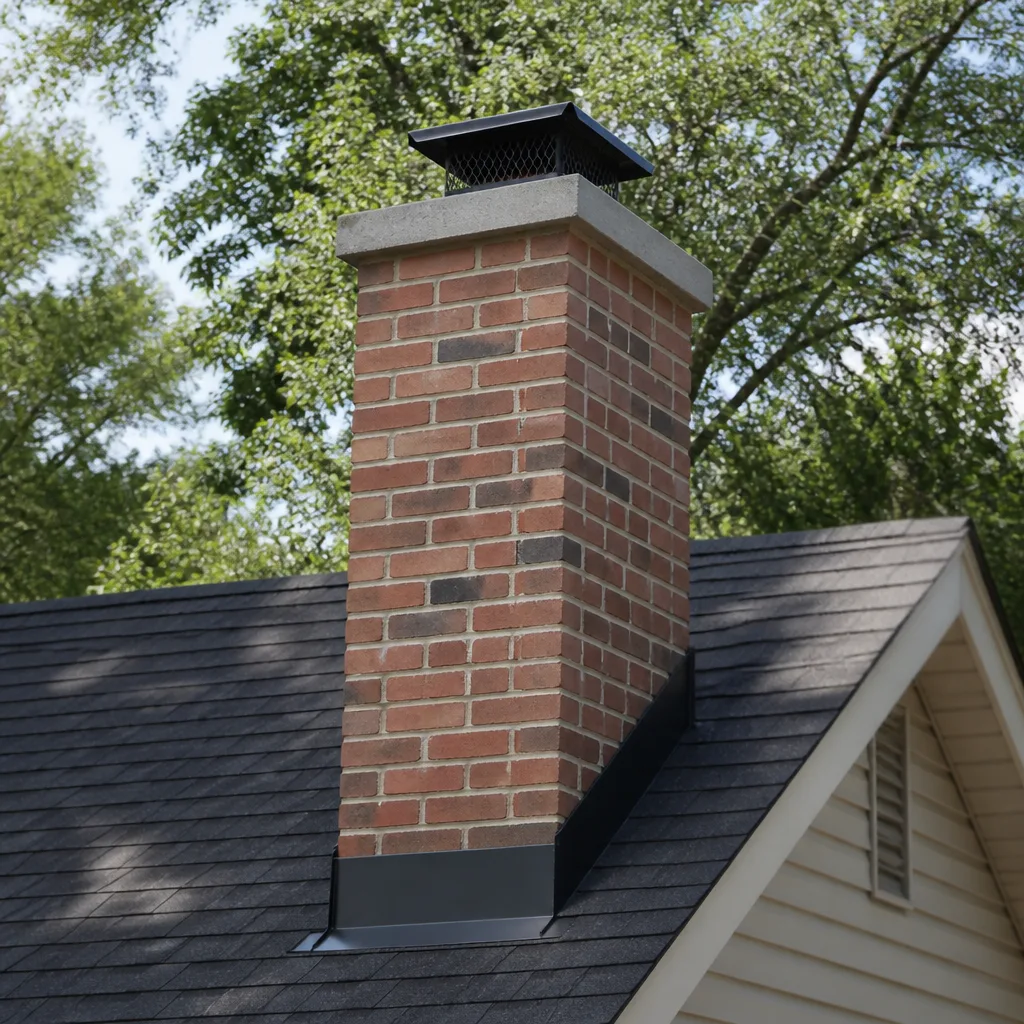 Masonry repair
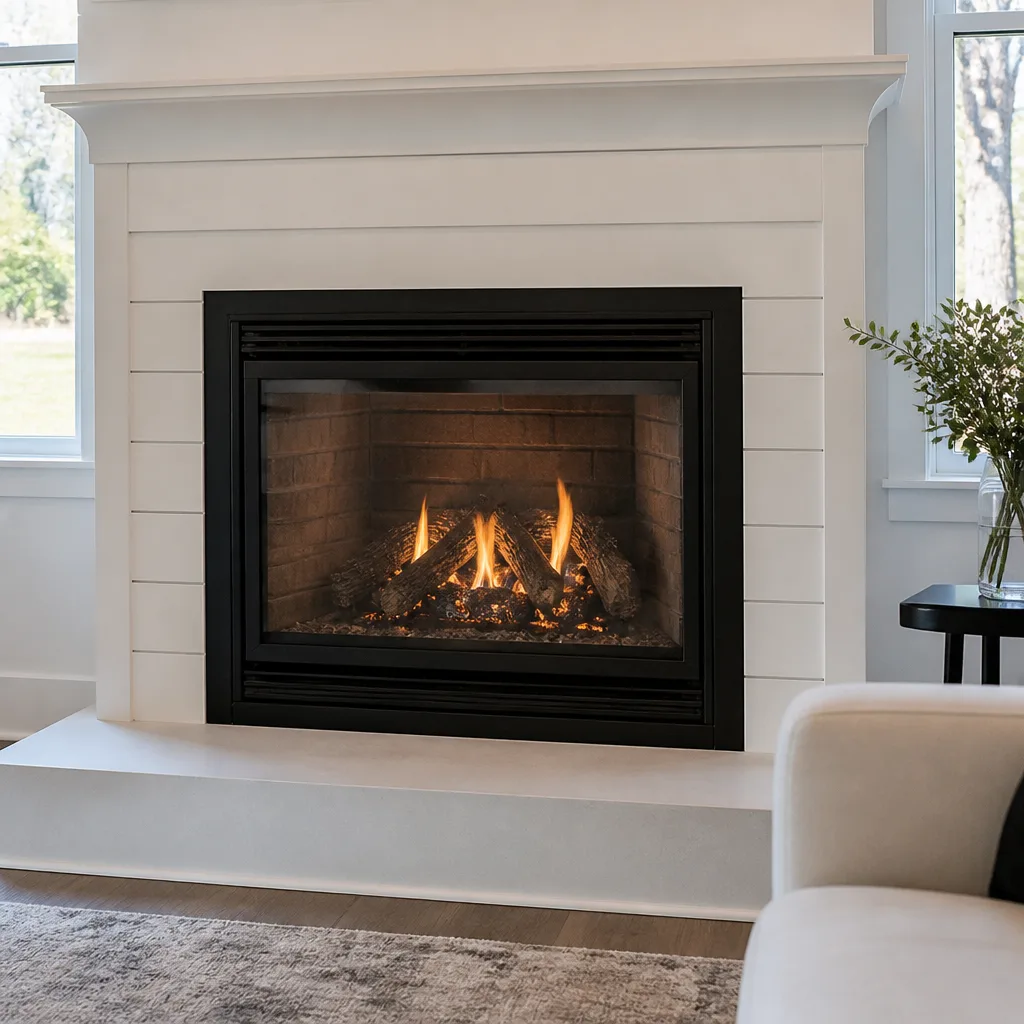 Gas fireplace service
Level 1 sweep and inspection to the NFPA 211 annual standard - flue, crown, cap, and flashing checked and photographed
Chimney sweep logs do not sweep chimneys. They loosen some creosote - which then falls where a brush and vacuum still have to collect it.
Chimney Cleaning Permits, Codes & Inspections in Westminster, CO: What You Need to Know
No permit is needed to sweep a chimney. But if that sweep uncovers a cracked liner and the work moves straight to relining without a permit, you’ve now got an unpermitted mechanical alteration on your house, and it tends to surface at the worst possible moment: a buyer’s home inspection. That gap between “cleaning” and “construction” trips up a lot of Westminster homeowners, especially in older neighborhoods where flues were built to standards nobody documents anymore. This guide walks through what the adopted codes actually say about solid-fuel appliances, which repairs pull a permit in Westminster versus unincorporated Jefferson County, why NFPA 211 matters to your insurance company, and how to check permit history on a chimney before you close on a house.
Quick Answer
Cleaning a chimney in Westminster, CO does not require a permit. Structural and mechanical work on the chimney system – relining, rebuilding a chase, replacing a firebox, installing a new appliance or flue – generally does require a permit, and the requirement depends on whether the property sits inside Westminster city limits or in unincorporated Jefferson County. Inspections are governed by NFPA 211 rather than by permit, and a Level II inspection report is what your insurer and a future buyer will want to see.
Styles & brands we work with
- Sweep & inspection
- Caps & crowns
- Flue relining
- Masonry repair
- Gas fireplace service
Table of Contents
- What Westminster’s adopted building codes say about chimneys
- Which chimney repairs need a permit in Westminster?
- City of Westminster versus unincorporated Jefferson County
- NFPA 211: the inspection standard your insurer cares about
- What a Level II inspection does and doesn’t certify
- How Colorado’s freeze-thaw cycle and burn season affect your flue
- How to check permit history before buying a Westminster home
- How to verify a chimney contractor’s credentials
What Westminster’s adopted building codes say about chimneys
Westminster adopts model building codes and amends them locally, which means the rules that apply to your chimney are the International Residential Code for one- and two-family homes and the International Fire Code for most everything else, as adopted and amended by the City of Westminster. Both treat a chimney as part of the building’s structural and life-safety systems, not as an appliance accessory.
The practical upshot is that the IRC sets how a solid-fuel chimney has to be constructed: clearance to combustibles, flue sizing relative to the appliance, liner requirements, height above the roof, and hearth extension dimensions. The IFC handles the operational side – what you’re allowed to burn, how appliances must be maintained, and when a chimney has to be inspected or taken out of service. A wood stove that was dropped into an existing fireplace opening without meeting the clearance and hearth requirements in the IRC is a code problem whether or not anyone ever pulls a permit for it.
Two points Westminster homeowners tend to miss:
- Existing chimneys are not grandfathered into safety. A legal, nonconforming chimney can stay in place, but if you alter it – new liner, new appliance, new cap height – the alteration generally has to meet current code.
- The liner is part of the structure. Replacing a clay tile liner with a flexible stainless system is a mechanical alteration, not maintenance. That’s the single most common place where a “cleaning” turns into permitted work without the homeowner realizing it.
If you want to understand the structural side of that work in more depth, our chimney repair page covers what relining and rebuilding actually involve. For now, hold onto the distinction: cleaning is maintenance, everything that changes the system is construction.
Which chimney repairs need a permit in Westminster?
Sweeping, cap replacement on an existing chase, and minor mortar work at the crown typically do not require a permit in Westminster. Anything that changes the flue, the firebox, the appliance, or the structural assembly generally does. The list below reflects how these jobs are usually classified, but the authority having jurisdiction makes the final call on your specific address, so confirm before work starts rather than after.
- Full flue relining – replacing a deteriorated clay tile liner with a stainless flexible liner is a mechanical alteration. Permit required in nearly every case.
- New appliance installation – a wood stove, insert, or gas appliance replacing an open fireplace changes the flue requirements and the clearance requirements. Permit required.
- Firebox rebuild or replacement – masonry fireboxes are structural. Permit required.
- Chimney chase reconstruction – rebuilding a chimney above the roofline, or removing and rebuilding deteriorated sections, is structural masonry. Permit required.
- Height changes – extending a chimney to meet the height requirement in the IRC is an alteration. Permit required.
- Routine sweeping and Level I or Level II inspection – maintenance and evaluation. No permit.
- Cap and crown repair – replacing a damaged cap or sealing a crown is generally considered maintenance. No permit in most cases, though a full crown rebuild may be treated differently.
The honest answer is that the line moves depending on scope. A sweep-only visit and a reline look very different on paper even when they start from the same phone call. We inspect, sweep, and repair under one roof precisely so that distinction gets made by someone who knows the code before the truck rolls, not after the work is finished.
City of Westminster versus unincorporated Jefferson County
Where your house sits determines who issues the permit and who inspects the work, and Westminster has an unusual geography. The city stretches across both Jefferson and Adams counties, and there are pockets of unincorporated Jefferson County that carry a Westminster mailing address but sit outside city limits. A homeowner on one side of a street may be dealing with the City of Westminster’s building department while a neighbor a block away is dealing with Jefferson County.
Why this matters:
- Permit issuance and inspection run through different offices with different submittal processes and different inspection scheduling.
- Code adoption cycles differ. The city and the county don’t always adopt the same edition of the IRC and IFC in the same year, and a job permitted under one edition may be reviewed under another.
- Contractor licensing and registration requirements can differ between jurisdictions.
- Resale disclosure requirements can vary, and unpermitted work discovered later is a headache regardless of which office should have issued the permit.
Before any structural chimney work in Westminster, confirm two things: whether the property is inside city limits, and which office will inspect the finished job. A contractor who can’t answer both questions clearly is a contractor who hasn’t pulled many permits in this area. Our Westminster service page lays out the neighborhoods we work in and how the local housing stock shapes the work, from the older brick chimneys near the historic downtown core out to the newer construction in the northern subdivisions.
NFPA 211: the inspection standard your insurer cares about
NFPA 211, the Standard for Chimneys, Fireplaces, Vents, and Solid Fuel-Burning Appliances, is the standard the chimney trade inspects to. It is not a building code and it doesn’t issue permits. It’s the document that defines what a Level I, Level II, and Level III inspection are, what condition a chimney has to be in to stay in service, and what constitutes a hazard that requires the appliance to be shut down until it’s corrected.
That distinction matters because your insurance company is not looking at your permit file after a chimney fire. It’s looking at documentation. A claim adjuster wants to know what condition the chimney was in before the loss and whether it was maintained. A Level II inspection report, with photos of the flue interior and a written description of what was found, is the document that answers those questions.
In our experience, the claims that go sideways are rarely the ones where the homeowner skipped a cleaning. They’re the ones where nobody can produce a record of the chimney’s condition at all – no inspection report, no documentation of prior repairs, no evidence that a known defect was ever addressed. NFPA 211 gives you a defensible record. A camera inspection and photo report on every visit is how we build one for you.
It’s also worth being clear about what NFPA 211 is not. It’s not a warranty, and passing an inspection doesn’t mean the chimney will never fail. It means that on the date of inspection, the system met the standard for continued use.
What a Level II inspection does and doesn’t certify
A Level II inspection is the standard inspection for a real estate transaction, a change in appliance or fuel type, an appliance that has had a chimney fire, or any time conditions suggest a hidden problem. It includes everything in a Level I plus examination of accessible portions of the chimney interior using a camera, and accessible portions of the attic, crawlspace, and roof-level components.
What it covers:
- The condition of the flue liner, including cracks, gaps, spalling, and missing mortar joints
- Clearances to combustible material at accessible locations
- The firebox, damper, smoke chamber, and throat
- The chimney exterior above the roofline, including the crown, cap, and flashing
- Connector condition for any appliance
- A written report with photographic documentation
What it does not certify:
- Code compliance. An inspection is not a code inspection, and a report that says a chimney is in serviceable condition is not a statement that it meets current IRC requirements. Those are different questions answered by different people.
- Concealed conditions. Anything inside a wall or behind masonry that can’t be reached without demolition is outside the scope. We’re clear about that in writing rather than implying a clean bill of health we can’t back up.
- Future performance. A liner that passes today can crack next winter. That’s why the report documents the date and the findings, not a guarantee.
This is also the answer to the biggest hesitation we hear: nobody wants to be told they need thousands of dollars of liner and masonry work they can’t verify. So we don’t tell you. You look at the camera footage with us. If the flue is sound, we say so, and we tell you plainly when a repair can safely wait until spring.
How Colorado’s freeze-thaw cycle and burn season affect your flue
Front Range weather is hard on masonry. Westminster sits in a climate with wide day-to-night temperature swings, which means the masonry goes through repeated freeze-thaw cycles across the winter. Water gets into a hairline crack in the crown or the mortar joints, freezes, expands, and widens the crack. Do that fifty times in a season and a crown that was fine in October has chunks missing by March.
That’s why crown and cap condition gets checked on every inspection here, and why a properly fitted cap matters more in Westminster than it would in a milder climate. A cap does two jobs: it keeps water out of the flue, and it keeps birds, squirrels, and raccoons out of the chimney. Famco and Gelco caps are the kinds of components we fit because they’re built for the weather rather than for a hardware-store shelf.
Burn season runs long here, and the standard advice is to have the chimney swept and inspected before you light the first fire of the season, not after a problem shows up. Creosote accumulates with every fire, and the difference between a clean flue and a glazed one is the difference between a chimney that vents correctly and one that doesn’t. A clean chimney isn’t just comfort – it’s fire safety, and in a climate where the heating season runs most of the year, that matters more.
Carbon monoxide deserves a mention here too. A blocked or damaged flue can let combustion gases back into the living space, and CO is odorless. A working CO alarm on every level of the home, plus an annual inspection, is the combination that catches problems before they become incidents. We don’t sell alarms and we don’t install them – but we’ll always tell you if we see a venting issue that should have one.
How to check permit history before buying a Westminster home
If you’re buying a house in Westminster and the listing mentions a “newer chimney liner” or a “rebuilt fireplace,” that’s the moment to check the permit record. Unpermitted chimney work is one of the more common defects that turns up in a buyer’s inspection report, and it’s entirely preventable.
- Identify the jurisdiction. Pull the parcel record to confirm whether the property is inside City of Westminster limits or in unincorporated Jefferson County. The county assessor’s site and the city’s GIS mapping both help here.
- Request the permit history from the building department. Ask specifically for permits related to the chimney, fireplace, flue, or any solid-fuel appliance. A record search is usually free or low-cost.
- Compare dates to work claimed. If the seller says the liner was replaced and there’s no permit on file for that address in that year, ask for the contractor’s paperwork. Sometimes the work was legitimately maintenance, sometimes it wasn’t.
- Get a Level II inspection independent of the seller’s inspection. A general home inspector is not a chimney specialist, and a chimney specialist sees things a generalist doesn’t.
- Ask for documentation of any prior chimney fire. Not every fire gets reported, but if there was one, it should be disclosed, and the chimney should have been inspected afterward before being put back in service.
- Get the findings in writing before closing. A written inspection report with photos is what you’ll want if you need to negotiate a repair credit or walk away.
Doing this before closing takes an afternoon. Doing it after closing takes a contractor, a permit, and whatever the repair costs – which is the whole argument for checking first.
How to verify a chimney contractor’s credentials
Colorado does not issue a dedicated chimney sweep license, which surprises people. What a chimney contractor carries instead is a general contractor or specialty license where required by the jurisdiction, liability insurance, and workers’ compensation coverage. Those are the credentials that actually protect you if something goes wrong on your roof.
Ask for these before work begins:
- Proof of insurance – a certificate of liability insurance naming the homeowner as certificate holder is standard practice.
- Permit history in the relevant jurisdiction – a contractor who works in Westminster regularly can tell you which office issues the permit for your address without looking it up.
- A written scope of work and written estimate – not a verbal number, and not a price that moves once the work is underway.
- A documented inspection report – photos of the flue interior, written findings, and a clear recommendation for what needs doing now versus what can wait.
- A clear answer on what triggers a permit – if the answer is “we always pull one” or “we never need one,” that’s a contractor who doesn’t know the rules.
What a chimney contractor cannot do is verify your permit history on your behalf – that’s your call to the building department. But a specialist knows the difference between maintenance and construction, and knows when a job needs to be inspected. That’s the standard we hold ourselves to. We’ll tell you exactly what your chimney needs, and nothing it doesn’t.
Common Mistakes to Avoid
- Assuming a cleaning covers everything. A sweep removes creosote; it does not evaluate the liner or the clearances. Those are different services, and bundling them under one visit is the only way to know whether the chimney is actually safe to use this winter.
- Letting a reline happen without a permit. A contractor who says “we don’t bother with permits for liners” is telling you they either don’t know the rules in Westminster or don’t want the inspection. Either answer is a reason to get a second opinion.
- Treating a home inspector’s chimney comment as a full inspection. General home inspectors note what they can see. They cannot inspect the inside of the flue. A Level II inspection from a chimney specialist covers ground the general inspection doesn’t.
- Ignoring the crown and cap because the interior looks fine. In a freeze-thaw climate like Westminster’s, water intrusion at the top is the leading cause of masonry failure. A $200 cap repair is a lot cheaper than a $6,000 rebuild.
- Skipping the pre-purchase permit check. It’s the single most useful half-hour a buyer can spend. Unpermitted chimney work that turns up later creates a real liability, and it’s much easier to negotiate before closing than after.
- Assuming the code doesn’t apply because the chimney was there first. Existing chimneys may be legal nonconforming, but any alteration has to meet the current code. “It was like that when we bought it” is not a defense in a permit review.
- Burning anything other than seasoned firewood. Construction scraps, treated lumber, and cardboard all accelerate creosote buildup. Neither the IFC nor basic safety allows it, and it’s the fastest way to need a sweep before the season ends.
See the difference
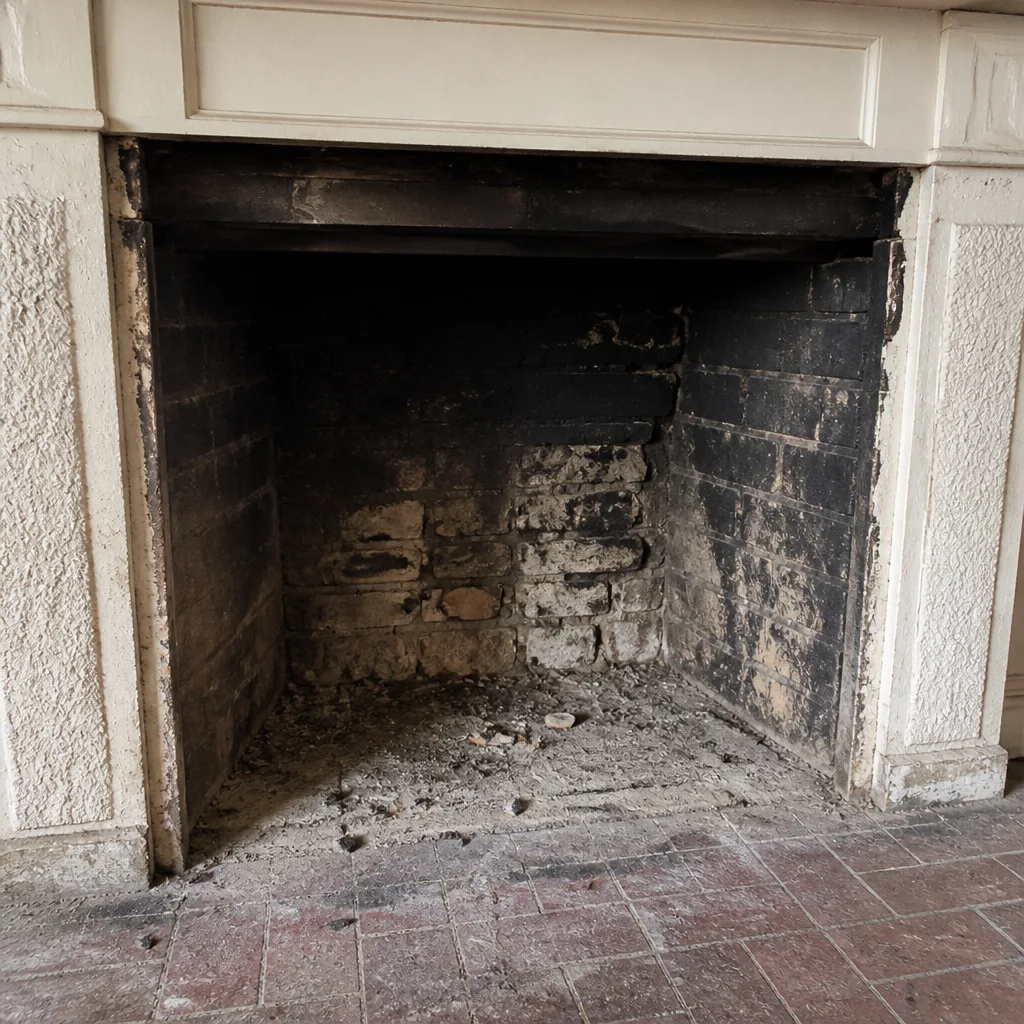 Before
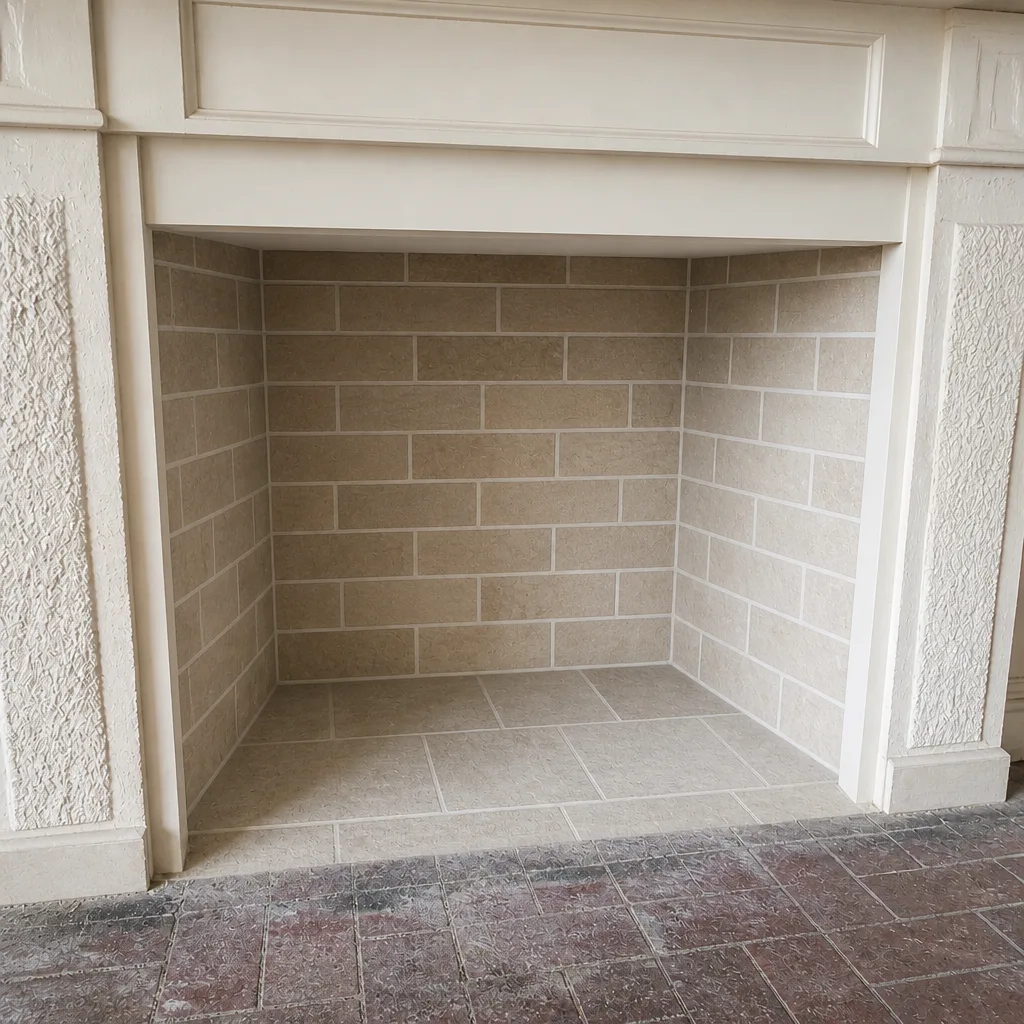 After
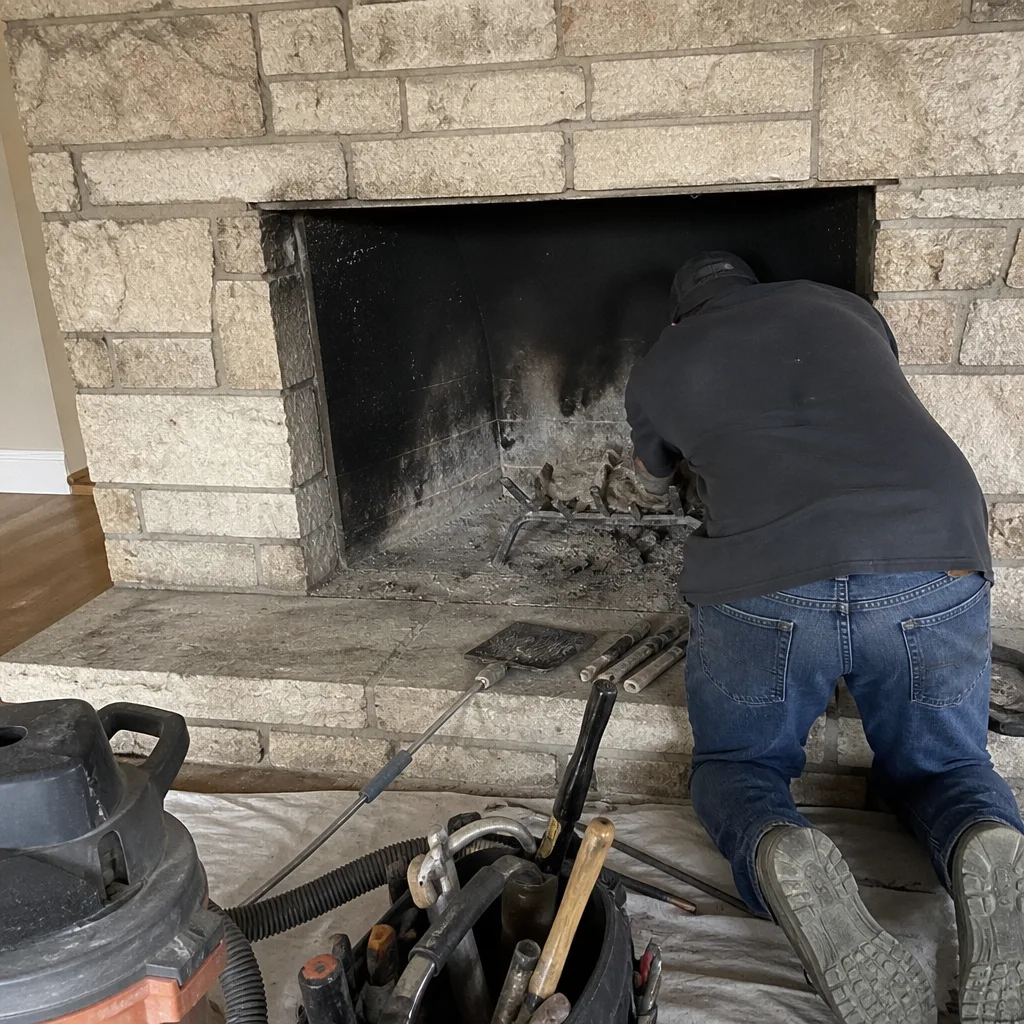 Before
 After
 Before
 After
When to Call a Professional
Call a chimney professional if any of these are true: you’ve moved into a Westminster home and don’t have a documented inspection; it’s been more than a year since the chimney was swept; you’ve had a chimney fire, even a small one; you notice a draft, smoke rollback, or a burning smell when the fireplace isn’t in use; there’s visible damage to the crown, cap, or masonry above the roofline; or you’re planning any repair that changes the flue. Hillcrest Chimney Sweep offers free estimates in Westminster – call (844) 785-0715. We inspect it, sweep it, and fix it – all under one roof. Any repair recommendation comes with camera footage you can see for yourself, and we’ll tell you plainly when work can safely wait.
Frequently Asked Questions
No. Cleaning a chimney is maintenance, not construction, and no permit is required to sweep a flue in Westminster. The permit question only comes up when the work shifts to a repair that changes the system – relining, rebuilding, or replacing an appliance. Call (844) 785-0715 for an exact quote on a sweep and inspection – estimates are free.
Relining a flue, rebuilding a firebox or chase, installing a new solid-fuel appliance, and changing a chimney’s height generally require a permit in Westminster. Routine sweeping, cap replacement, and minor crown work usually do not. The authority having jurisdiction makes the final call for your address, so confirm before work starts – and if you’re not sure whether the property is inside city limits or in unincorporated Jefferson County, we can help you figure that out before we book the job.
A Level II inspection covers the flue interior via camera, the firebox and smoke chamber, clearances to combustibles, the chimney exterior above the roofline, and a written report with photos. It’s the standard inspection for a home purchase, a change in appliance, or after a chimney fire. It does not certify code compliance – that’s a separate question answered by a code inspection, not by a chimney report.
Yes, in most cases. Insurers look for NFPA 211 documentation showing the chimney’s condition on a specific date, and a Level II report with photos satisfies that. The report isn’t a warranty, but it’s the record that answers an adjuster’s questions if there’s ever a loss. Without one, a claim can turn into a dispute about condition rather than a straightforward payout.
Once a year is the standard recommendation for any chimney in active use, and it’s the right interval here given how long the burn season runs. If you burn a lot of wood, or you’ve had a chimney fire, get it looked at sooner. Inspection is annual; sweeping depends on what the inspection finds. For a sweep booked in Westminster, call (844) 785-0715.
Often, yes. A buyer’s home inspector will flag an unpermitted liner or a rebuilt fireplace that has no permit on file, and the resulting negotiation usually costs the seller more than the permit would have. If you’re buying, check the permit history with the city or county before closing – it’s a free phone call. If you’re selling and know of unpermitted work, get it documented now rather than discovered later.
The Bottom Line
Cleaning a chimney in Westminster doesn’t require a permit, and it never will – it’s maintenance. But the repairs that a cleaning often uncovers do require one, and the distinction matters at resale, at insurance time, and at the moment a home inspector climbs onto your roof. Confirm which jurisdiction your property sits in, ask what the work will require before you approve it, and get a Level II inspection report in writing when you’re buying. NFPA 211 is the standard your insurer will look for, and a documented inspection is the record that protects you if something goes wrong. The other half of the job is timing: get the sweep done before the first fire of the season, not after a problem shows up.
Call (844) 785-0715 for a free estimate. We answer 24/7. Fast dispatch from 7am to 7pm, Sunday through Friday.
We work with professional-grade materials from the brands chimney specialists trust, including Olympia Chimney liners, DuraFlex flexible systems, and Famco caps and covers, so the parts on your chimney are built for the job rather than improvised. Whether you need an inspection before buying a home in Westminster, a chimney sweep before the season, or a full repair with a permit pulled correctly, we handle the whole system from cap to firebox. For a look at how our parent company approaches chimney work across the region, see Hillcrest Chimney Sweep. Our technicians have up to 9 years of experience.
Written by the team at Hillcrest Chimney Sweep.