
Last updated November 15, 2026
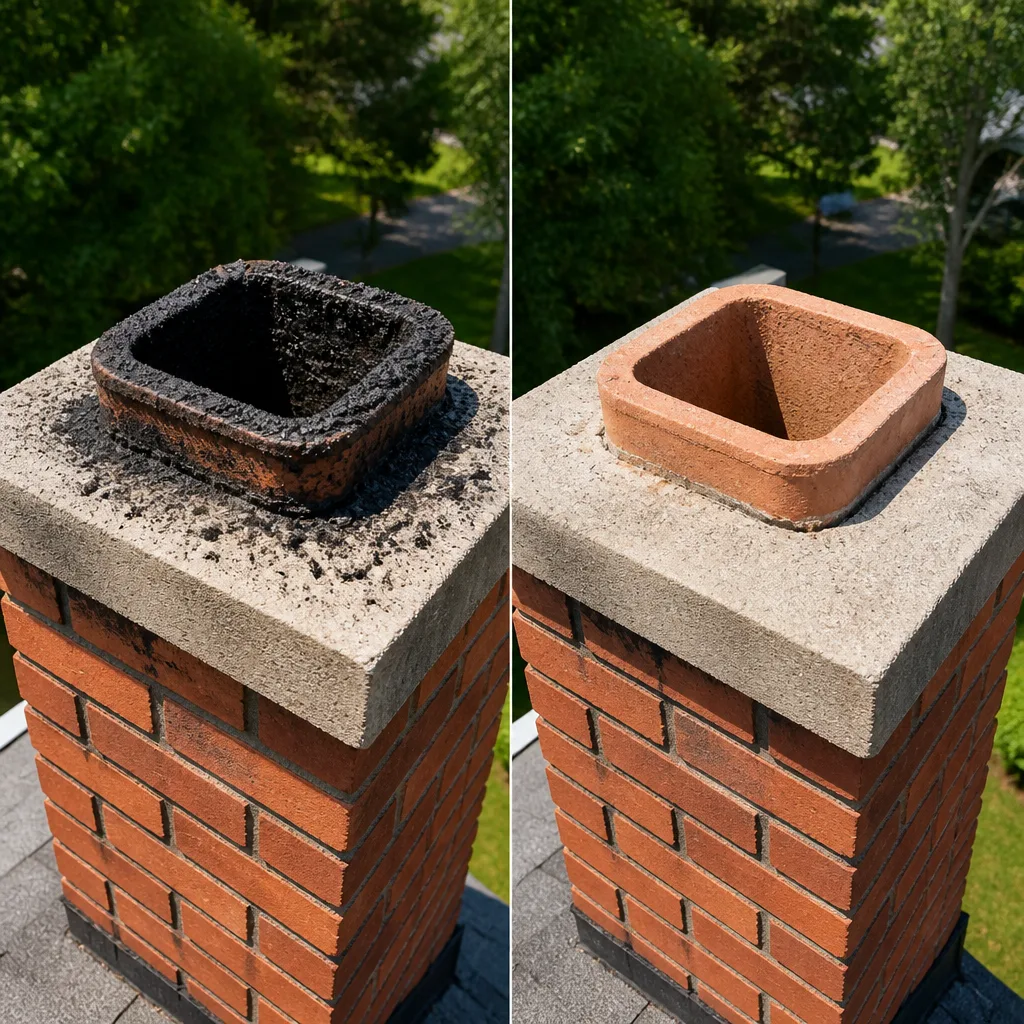 Sweep & inspection
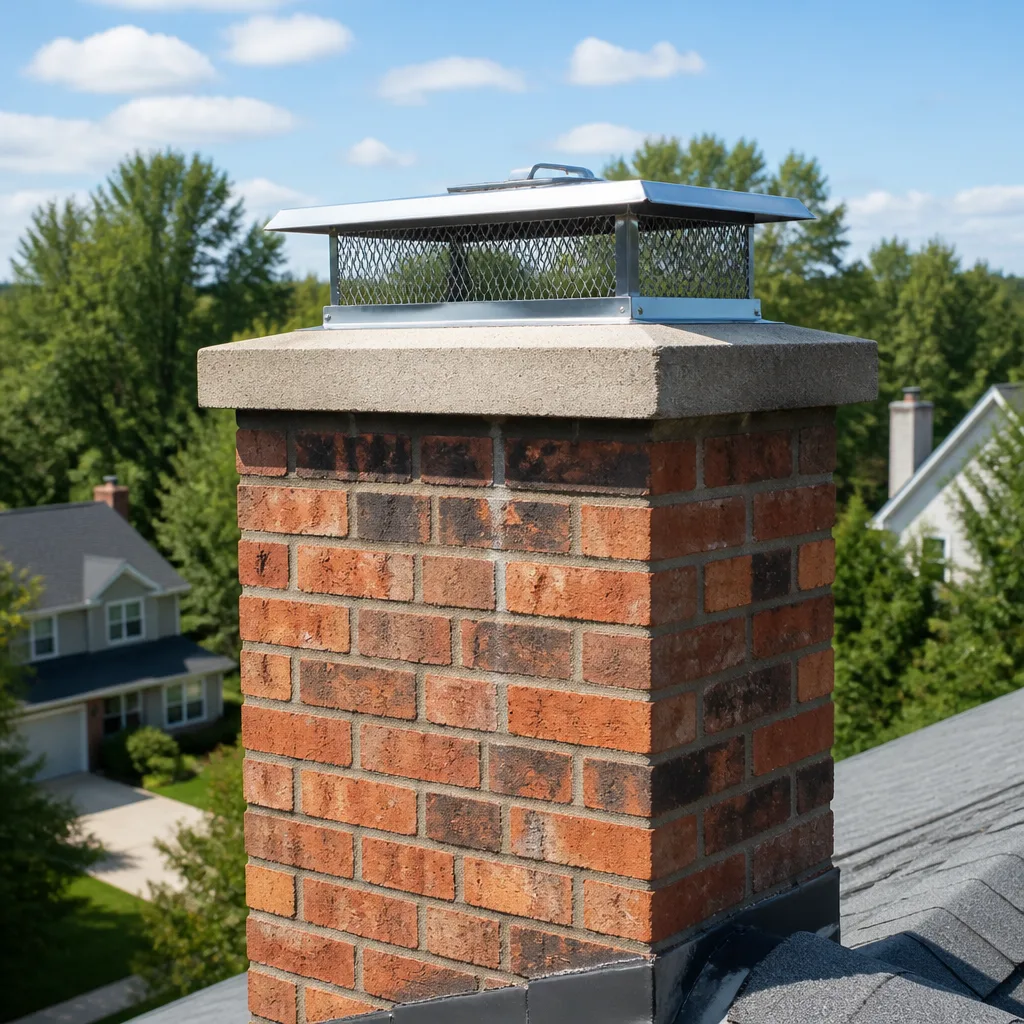 Caps & crowns
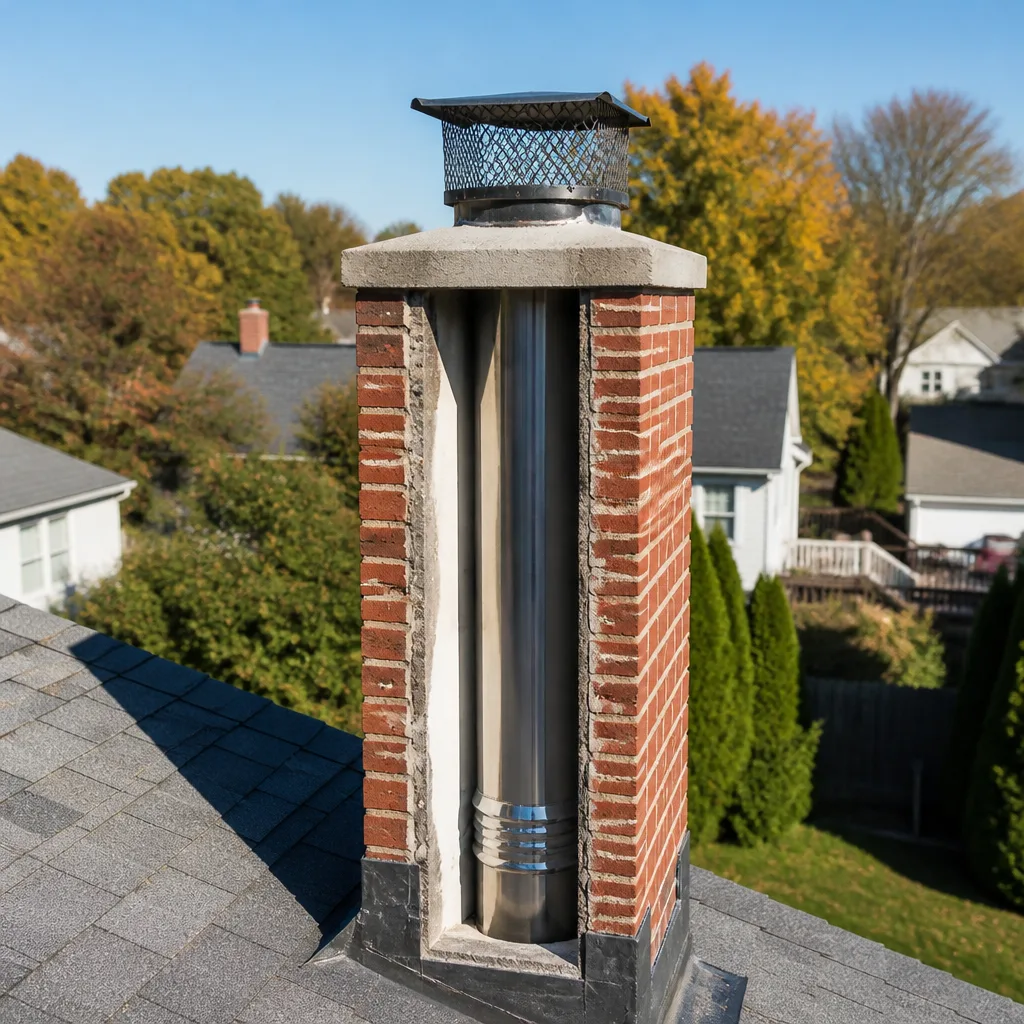 Flue relining
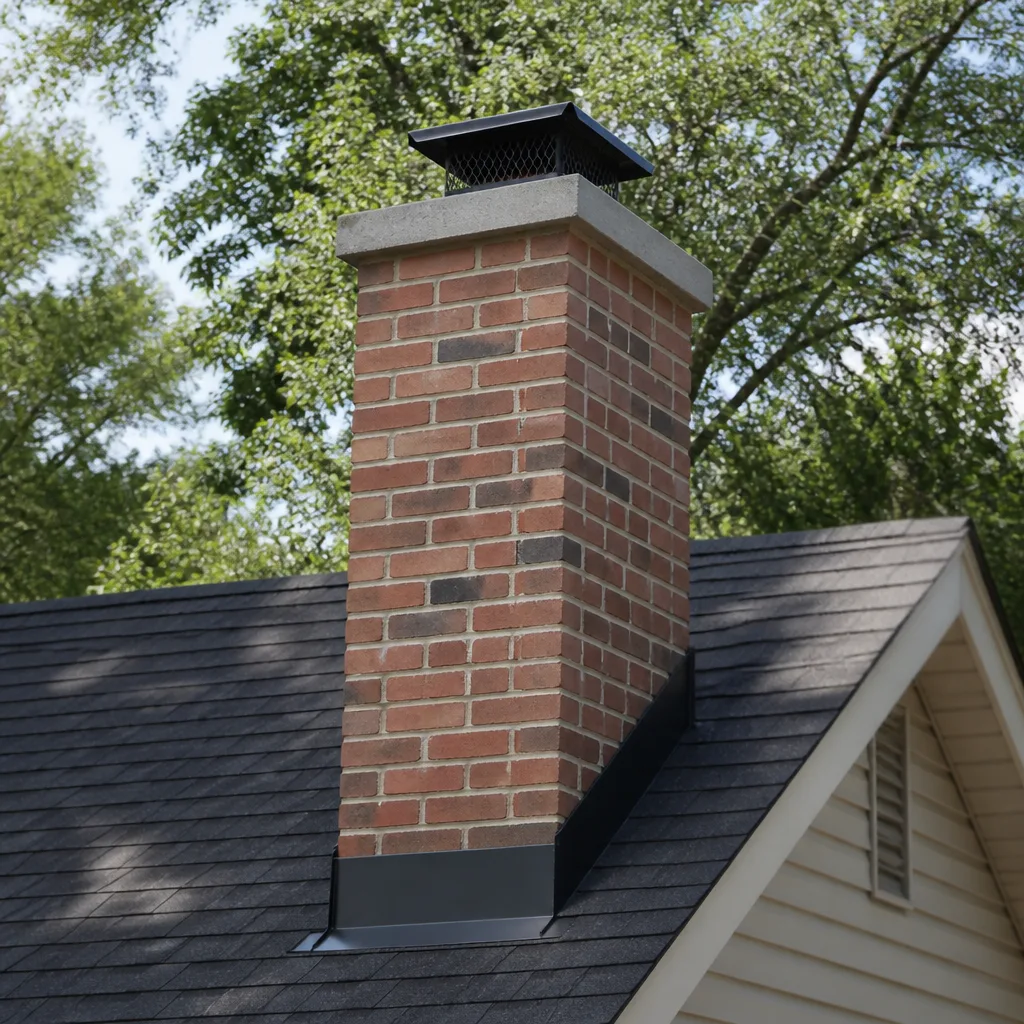 Masonry repair
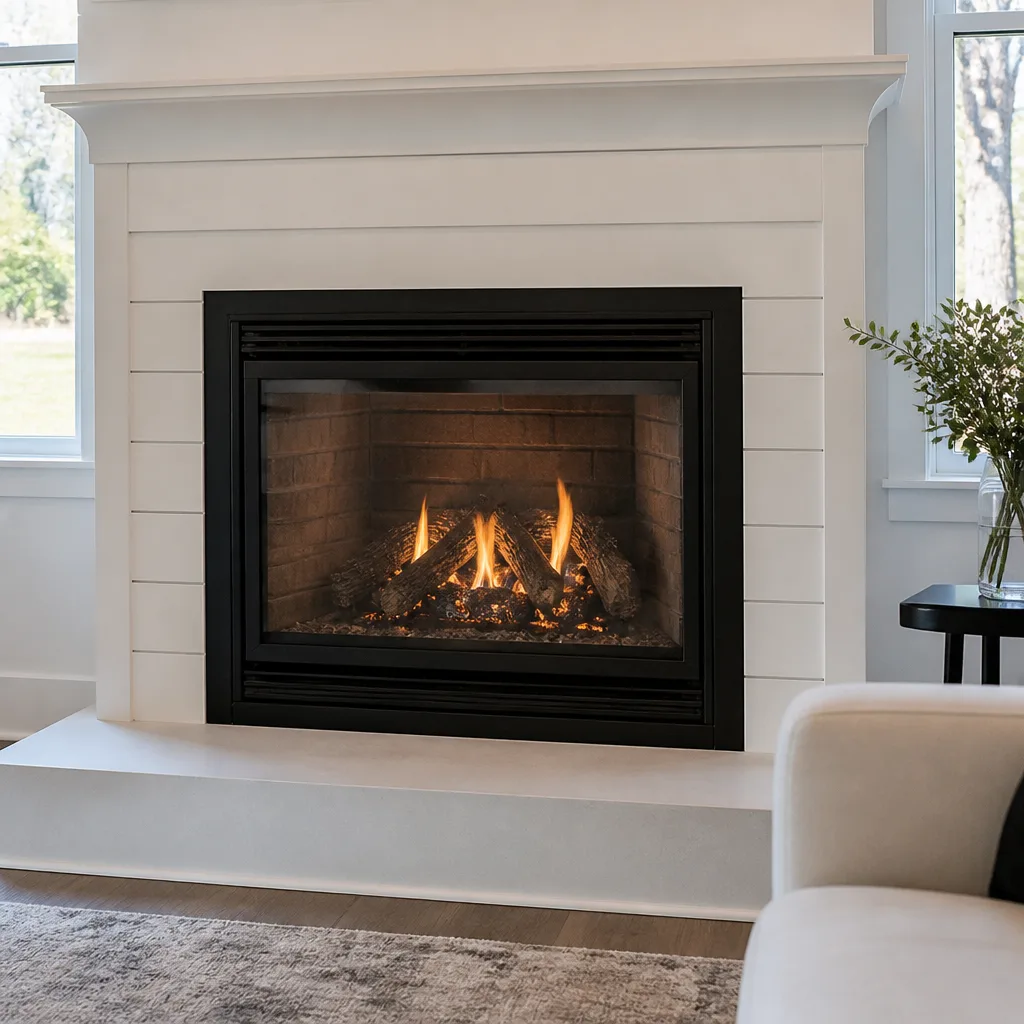 Gas fireplace service
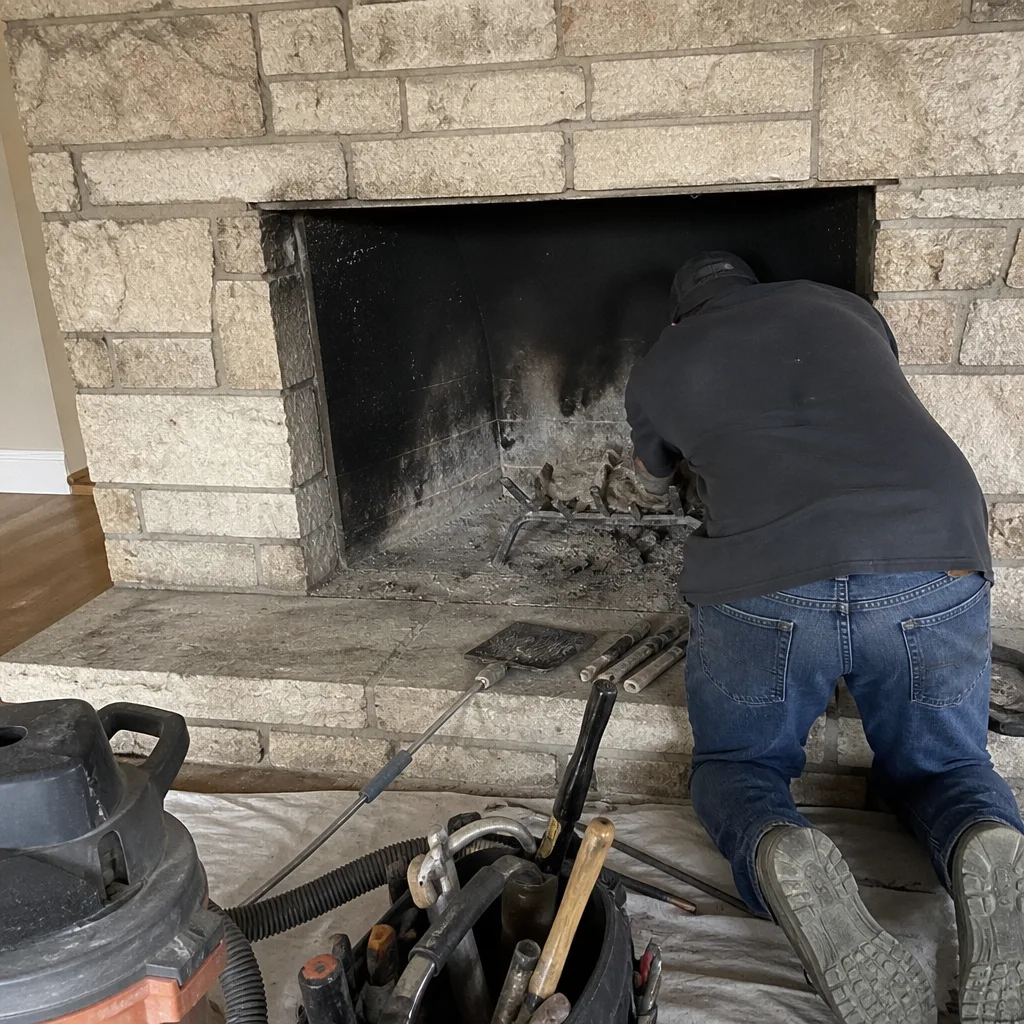
Level 1 sweep and inspection to the NFPA 211 annual standard - flue, crown, cap, and flashing checked and photographed
Chimney sweep logs do not sweep chimneys. They loosen some creosote - which then falls where a brush and vacuum still have to collect it.
Chimney Cleaning Emergency Preparedness Guide for Westminster Homes
During a chimney fire, the fire department’s job is to protect your house from the fire spreading. It is not to save your chimney. That distinction surprises most homeowners, and it matters more than anything else in this guide. Once the trucks leave, what happens to your flue over the next 24 hours is entirely up to you, and most people have no plan for it. A blocked flue, a cracked liner, or a gas insert venting carbon monoxide into a living room does not announce itself politely. This guide walks Westminster homeowners through the decisions and preparations that need to happen before the heating season starts, while there’s still time to make them calmly.
Quick Answer
Chimney emergency preparedness in Westminster means three things: knowing how to recognize an active chimney fire or carbon monoxide event in the first three minutes, having a documented inspection on file so an insurance claim holds up, and never reusing a fireplace after a fire until a Level II inspection clears it. A professional sweep and inspection before heating season begins is the single most effective preparation, because most chimney emergencies start as problems that were already visible and ignored.
Styles & brands we work with
- Sweep & inspection
- Caps & crowns
- Flue relining
- Masonry repair
- Gas fireplace service
Table of Contents
- How Do You Recognize an Active Chimney Fire From Inside the Home?
- What to Do in the First Three Minutes of a Chimney Fire
- After the Fire: Why You Cannot Reuse the Fireplace
- What a Post-Fire Level II Inspection Actually Covers
- Carbon Monoxide Risks with Gas Fireplace Inserts
- What to Document for an Insurance Claim
- Preparing Your Chimney Before Westminster’s Heating Season
- Building a Chimney Emergency Contact List for Westminster
How Do You Recognize an Active Chimney Fire From Inside the Home?
A chimney fire is not always the roaring, roaring spectacle people picture. Many burn slowly and quietly inside the flue, and a homeowner may never know one happened until a later inspection turns up glazed creosote or cracked tiles. Recognizing the signs early is the whole point of preparedness. The loud version is unmistakable, but the quiet version is the one that catches people off guard.
Watch and listen for these signs, from inside the house:
- A roaring or rumbling sound that resembles a freight train or a low-flying aircraft, coming from the chimney itself.
- Dense smoke or a sudden puff of smoke pushing back into the room from the firebox or stove.
- A strong, hot smell in the room, or heat you can feel radiating from the chimney breast or the wall around the flue.
- Popping and cracking that sounds different from normal fire noise, often described as multiple small reports.
- Visible flames or sparks at the top of the chimney, or dark smoke coming from the cap.
- Creosote flakes or pieces appearing on the roof or ground near the chimney.
The quiet fire is the harder case. It burns hot enough to damage the flue but not loud enough to alarm anyone. This is why an annual inspection matters more than any single emergency tactic: it finds the damaged liner and the glazed creosote before they get a chance to ignite. In Westminster, where winter heating runs for months, creosote accumulates steadily in wood-burning flues. The buildup is what fuels a chimney fire, and it builds fastest in flues that see heavy use and infrequent sweeping.
If you notice any of the loud signs, treat it as an active fire. If you notice none of them but your fireplace has been burning poorly, smoking into the room, or smelling unusually strong, that’s a reason to book an inspection before you light another fire. When you’re ready, our chimney sweep team can check the flue and tell you exactly what’s going on.
What to Do in the First Three Minutes of a Chimney Fire
The first three minutes determine everything. The goal is not to save the chimney. It is to get people out and give the fire department a clear path. In our experience, homeowners waste those minutes trying to fight a fire that’s already inside the flue, where nothing they do from the living room will reach it.
Follow this sequence:
- Get everyone out of the house. Include pets. Do not stop to gather belongings.
- Call 911 from outside. Tell the dispatcher it’s a chimney fire and give your address clearly.
- Close the fireplace doors or damper only if you can do it safely on your way out. Starving the fire of air helps, but never delay your exit for it.
- Do not throw water on the fire. Water on a hot flue or firebox can crack masonry and send steam and debris back at you.
- Do not climb onto the roof. This is the single most dangerous thing a homeowner does during a chimney fire, and it happens more than you’d think.
- Wait for the fire department and tell them when the chimney was last swept and inspected, if you know.
Once the fire is out, the fire department will confirm the fire is extinguished and check for extension into the structure. What they will not do is assess the inside of your flue. That’s the part that’s up to you, and it’s the part most people don’t plan for. The hours right after the trucks leave are when a phone call to a chimney specialist matters most. Our phones are answered around the clock, so if a fire happens at an awkward hour you can still reach someone. Call (844) 785-0715. We answer 24/7, with fast dispatch from 7am to 7pm, Sunday through Friday.
After the Fire: Why You Cannot Reuse the Fireplace
A chimney fire can leave the flue structurally compromised in ways you cannot see from the firebox. The most common damage is cracked or spalled clay tiles, warped metal liners, and glazed creosote that has fused to the flue walls. Any of these can let heat, smoke, or carbon monoxide escape into the wall cavity or the living space. Reusing the fireplace before an inspection clears it is how a contained chimney fire turns into a house fire weeks later.
Here’s what actually happens to a flue during a chimney fire:
- Clay tile liners crack from the rapid temperature swing. A hairline crack is enough to let heat reach framing.
- Metal liners warp or separate at the seams, which breaks the seal that keeps exhaust inside the flue.
- Creosote glazes into a hard, glassy layer that is far more flammable than the fluffy stage and much harder to remove.
- Mortar joints soften, and the crown or cap can crack from heat and water exposure.
None of this is visible from the living room. That’s the reason the rule is absolute: no fire in that fireplace until a Level II inspection says it’s safe. Not “probably fine.” Not “it looks okay.” A documented inspection, with photos you can see for yourself. If a repair is needed, we handle chimney repair as part of the same job, so you’re not coordinating a sweep and a mason and a liner installer separately. We inspect it, sweep it, and fix it, all under one roof.
What a Post-Fire Level II Inspection Actually Covers
A Level II inspection is the standard post-fire inspection, and it goes well beyond shining a flashlight up the flue. It uses a camera to look at the entire flue interior, from the firebox to the cap, and it documents what it finds. This is the inspection that tells you whether your chimney can be used again and, if not, what it will take to make it safe.
A proper Level II inspection after a chimney fire covers:
- The full flue interior, via camera, looking for cracks, gaps, warping, and separation at seams.
- The firebox and smoke chamber, checking for damaged refractory or brick and deteriorated mortar joints.
- The damper, which can warp or seize from heat.
- The chimney exterior, including the crown, cap, and flashing, for cracks and water intrusion.
- The accessible portions of the chimney structure, including any framing or combustible material near the flue.
- A written report with photos, which becomes the core of your insurance claim and your record for future inspections.
The camera evidence is the part that matters most to a homeowner. You should be able to see the problem yourself, in the photos, rather than take a stranger’s word for it. That’s the standard we hold ourselves to. We’ll tell you exactly what your chimney needs, and nothing it doesn’t. If the flue needs relining, we install DuraFlex flexible liner systems, which are built for exactly this situation: a deteriorated or improperly sized flue that needs a new, sealed liner inside it. For less severe damage, HeatShield ceramic resurfacing can restore a liner without a full replacement. Both are professional-grade products from brands chimney specialists rely on.
Carbon Monoxide Risks with Gas Fireplace Inserts
Gas fireplace inserts and gas log sets do not produce the visible creosote that wood fires do, which leads many homeowners to assume they need no chimney service at all. That assumption is the risk. A gas appliance still vents combustion byproducts through the flue, and a blocked, disconnected, or deteriorated flue can send carbon monoxide into the living space with no smoke, no smell, and no visible warning.
Carbon monoxide is odorless and colorless. What precedes a CO event is often subtle:
- A pilot light or burner that keeps going out or burns with an unusual flame color.
- Soot or dark staining around the insert, the vent, or the firebox.
- Headaches, dizziness, or nausea in the household that improve when people leave the house and return when they come back.
- A stuffy or stale smell in the room, or condensation on windows near the fireplace.
- A chirping or failed CO alarm anywhere in the home. Never ignore it or assume it’s a false alarm.
If a CO alarm sounds, get everyone outside and call 911. Do not open windows and go back to bed. Once the emergency is over, the fireplace should not be used until the venting is inspected. A camera inspection of a gas flue checks for blockage from bird nests, fallen debris, or a collapsed liner, any of which can turn a working insert into a hazard. In Westminster, gas inserts are common in newer homes and in older homes converted from wood, and both need the same level of venting attention as a wood flue. Gelco and Olympia Chimney venting components are the kind of professional-grade parts we work with when a cap or vent needs replacing.
What to Document for an Insurance Claim
The inspection report is the core of a chimney fire insurance claim. Insurers need evidence that the damage is real, that it was caused by the fire, and that the repair is necessary. A written report with dated, labeled photos of the flue interior does that job in a way no verbal description can. Without it, a claim can stall or get reduced to a fraction of what the repair actually costs.
What to gather after a chimney fire:
- The fire department’s incident report, which establishes the date, time, and nature of the event.
- A Level II inspection report with photos, taken after the fire, showing the damage inside the flue.
- A written repair estimate that itemizes what needs to be done and why.
- Your maintenance records, including the last sweep and inspection, which show you maintained the chimney responsibly.
- Photos of any interior damage, smoke staining, or water damage from firefighting.
That last point about maintenance records is worth emphasizing. Regular sweeping and inspection is what a responsible homeowner does, and it strengthens a claim rather than weakening it. The estimate we write is per job, set by that written estimate, and we can work with your insurer on the documentation side. We don’t promise to handle the claim for you, but we do make sure you have the paperwork a claims adjuster will ask for. Call (844) 785-0715 for a free estimate and we’ll walk you through what the report should include.
Preparing Your Chimney Before Westminster’s Heating Season
Preparedness is mostly a matter of timing. The best time to address your chimney is before the first cold snap, not after a fire or a CO alarm. In Westminster, heating season arrives with a rush: the first genuinely cold week sends everyone to their fireplace at once, and that’s when problems surface. Getting ahead of it means an inspection and sweep done while the calendar is still calm.
A pre-season preparation sequence looks like this:
- Book an inspection. A professional inspection identifies creosote buildup, liner damage, blockages, and venting problems before they cause an emergency.
- Get the flue swept if the inspection calls for it. Sweeping removes the creosote that fuels chimney fires.
- Check the cap and crown. A missing or damaged cap lets water, birds, and debris into the flue. Gelco and Famco caps and covers are the protective hardware that prevents this intrusion, and it’s easy to overlook.
- Test your smoke and CO alarms and replace batteries if needed.
- Confirm your liner is the right size and condition for the appliance you’re venting, especially if you’ve switched between wood and gas.
- Store firewood properly and keep it away from the house and the chimney.
A clean chimney isn’t just comfort. It’s fire safety, and it’s the difference between a fireplace that works reliably all winter and one that becomes an emergency. Our technicians have up to 9 years of experience, and we focus exclusively on chimney work, which means every job applies trade-specific expertise rather than divided-trade generalism. If you’re in Westminster and haven’t had your chimney inspected in over a year, this is the season to fix that. Learn more about our Hillcrest Chimney Sweep approach and how we handle the whole lifecycle, from sweeping to structural repair.
Building a Chimney Emergency Contact List for Westminster
An emergency contact list sounds like something for a fridge magnet, but it’s the difference between acting quickly and fumbling through a search while your house fills with smoke. Put it together before the heating season and keep it where you can find it. It takes ten minutes and it pays off in the moment that counts.
Who belongs on it:
- Your local fire department number via 911, plus the non-emergency line for your area.
- A chimney specialist you’ve worked with, who already has your chimney’s history on file. That continuity matters after a fire.
- Your homeowner’s insurance claims line, so you can start a claim the same day.
- A gas utility emergency line if you have a gas fireplace insert or gas log set.
- A CO and smoke alarm replacement source, in case an alarm fails during the event.
The specialist number is the one people forget to prepare. After a chimney fire, you’ll want a company that can inspect, sweep, and repair, so you’re not making three separate calls and waiting for each to fit you in. That’s the advantage of a single point of contact from initial inspection through completed repair. No handoffs to subcontractors, no gaps in responsibility. If your flue needs a liner, we install DuraFlex. If it needs resurfacing, we use HeatShield. If it needs a cap, we work with Gelco and Famco. From cap to firebox, we handle the whole system.
Common Mistakes to Avoid
- Assuming a chimney fire will be loud. Many burn slowly and quietly, damaging the flue without any obvious drama. A later inspection often reveals a fire the homeowner never knew about. If your fireplace has been acting strangely, treat it as a reason to inspect, not a reason to wait.
- Relighting the fireplace after a fire because it “looks fine.” Heat damage inside the flue is invisible from the firebox. Using the fireplace before a Level II inspection clears it is the most common way a small emergency becomes a large one.
- Skipping service because you have a gas insert. Gas still vents combustion byproducts through the flue, and a blocked or deteriorated flue can send carbon monoxide into the room. Gas appliances need venting attention just as much as wood.
- Throwing water on a chimney fire. Water on a hot flue can crack masonry and send steam and debris back at you. Getting everyone out and calling 911 is the right move, not firefighting from the living room.
- Climbing onto the roof. This is where homeowners get hurt during chimney fires. Roof access, especially in winter, is a job for the fire department and trained professionals.
- Ignoring a chirping or failed CO alarm. Treat every alarm as real until proven otherwise. Get outside and call 911 rather than resetting the alarm and going back to bed.
- Letting a year go by without an inspection. Especially after a home purchase, a draft problem, or a fire. Old chimneys in Westminster carry history you don’t have on paper. An inspection writes that history down.
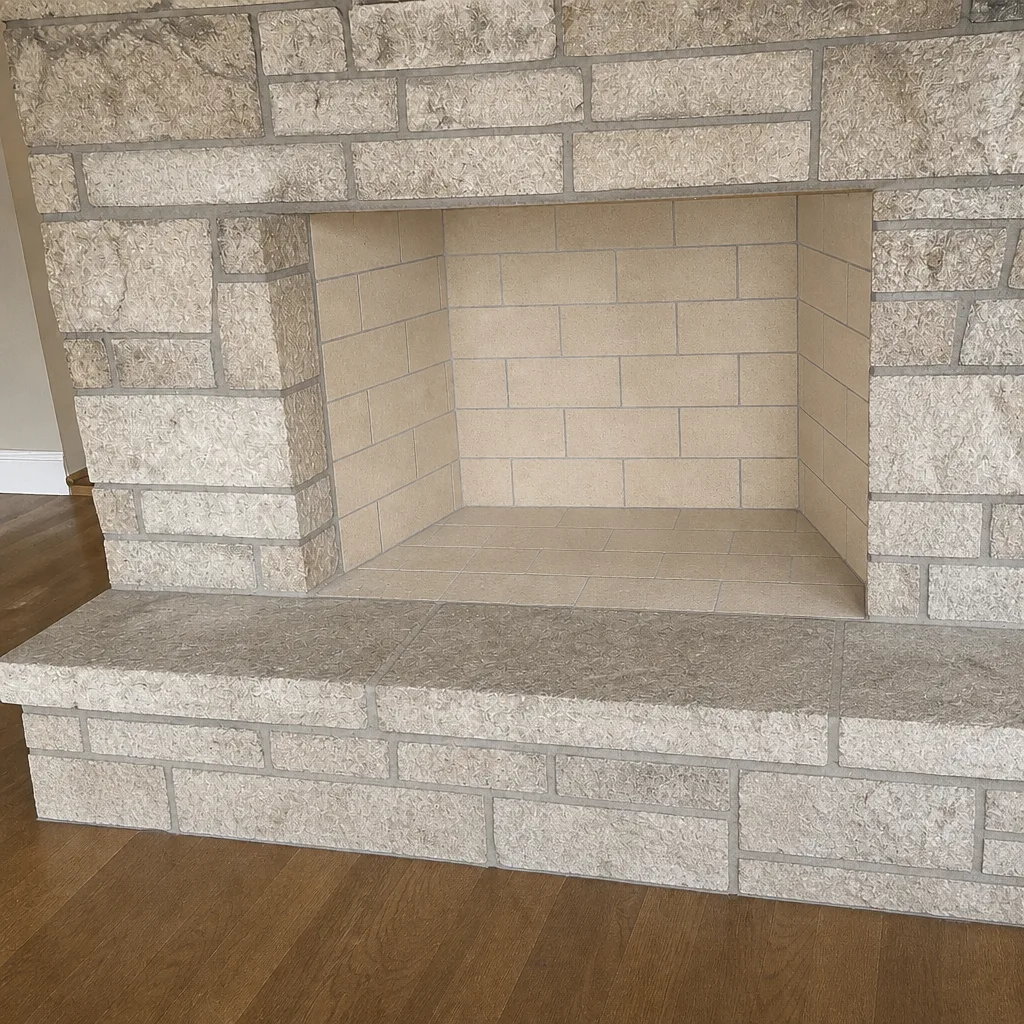
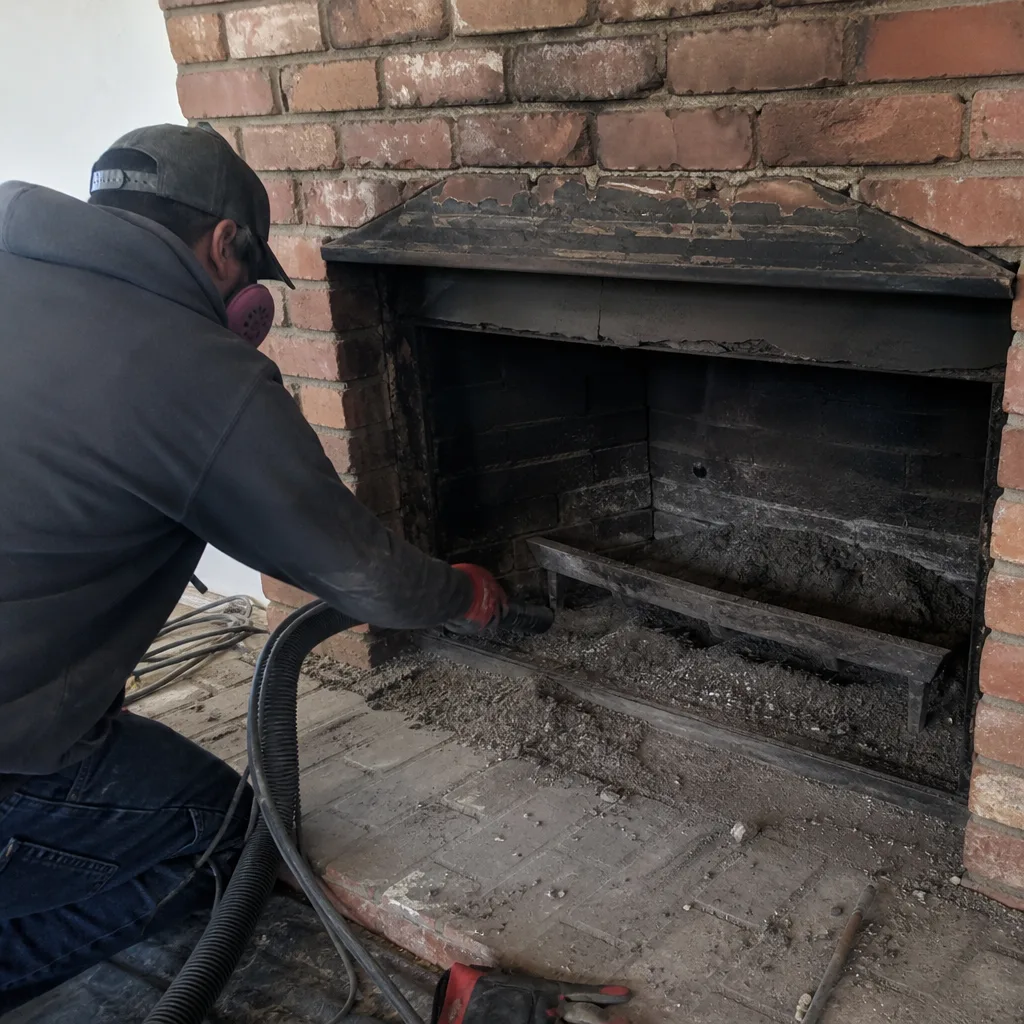
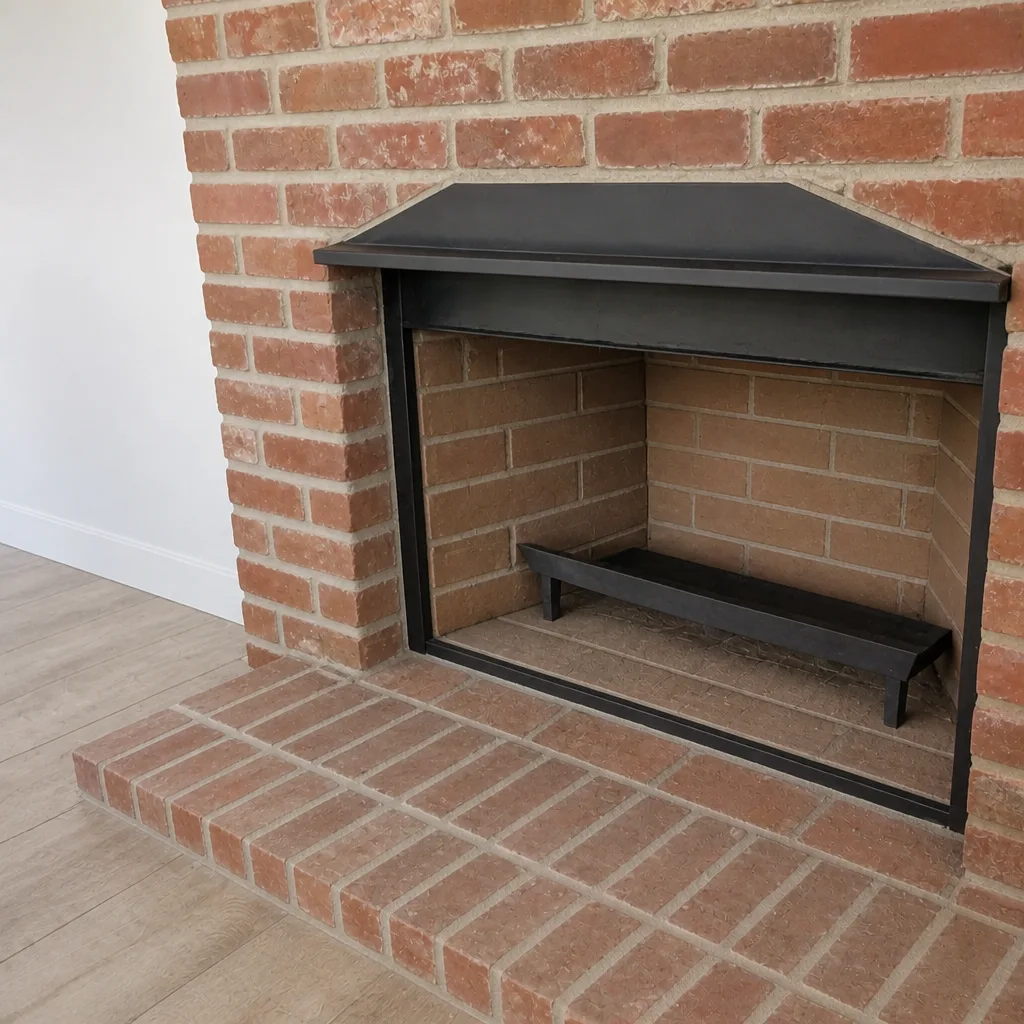
See the difference
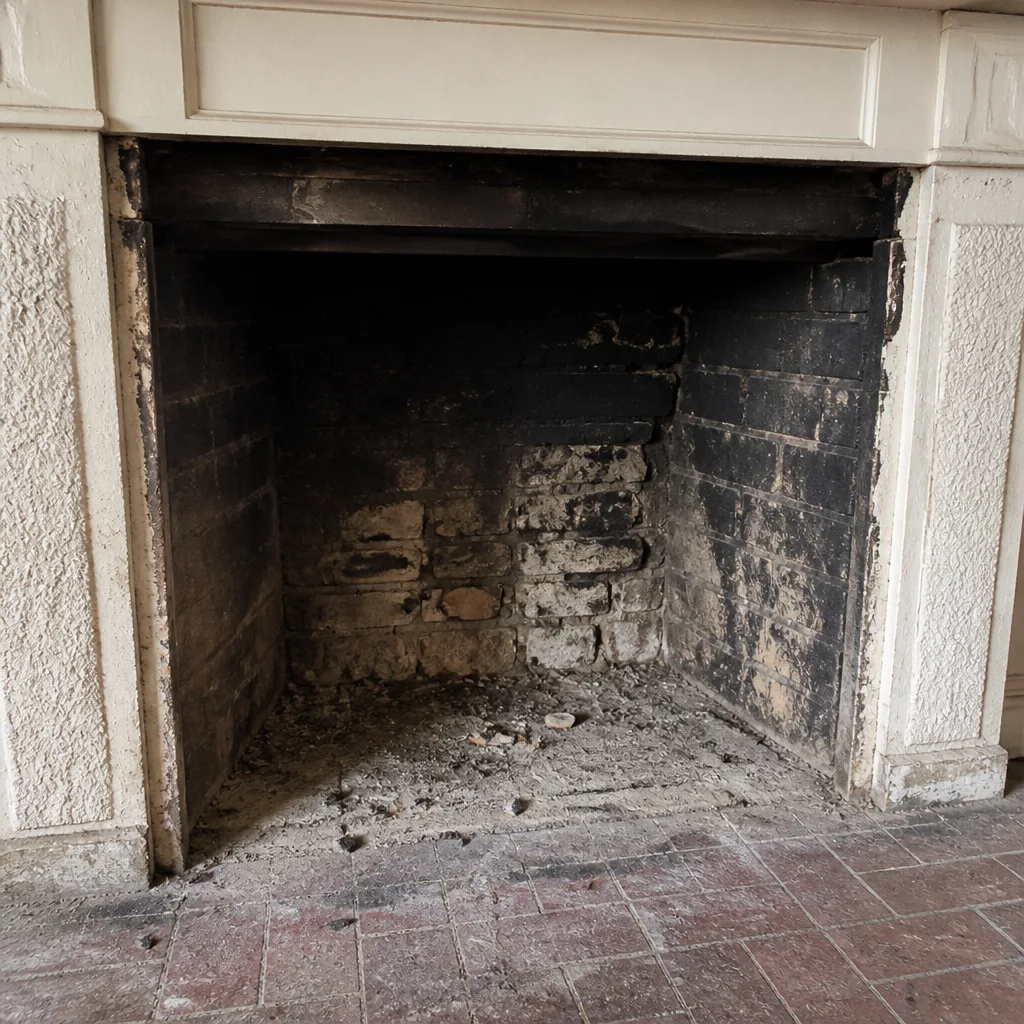 Before
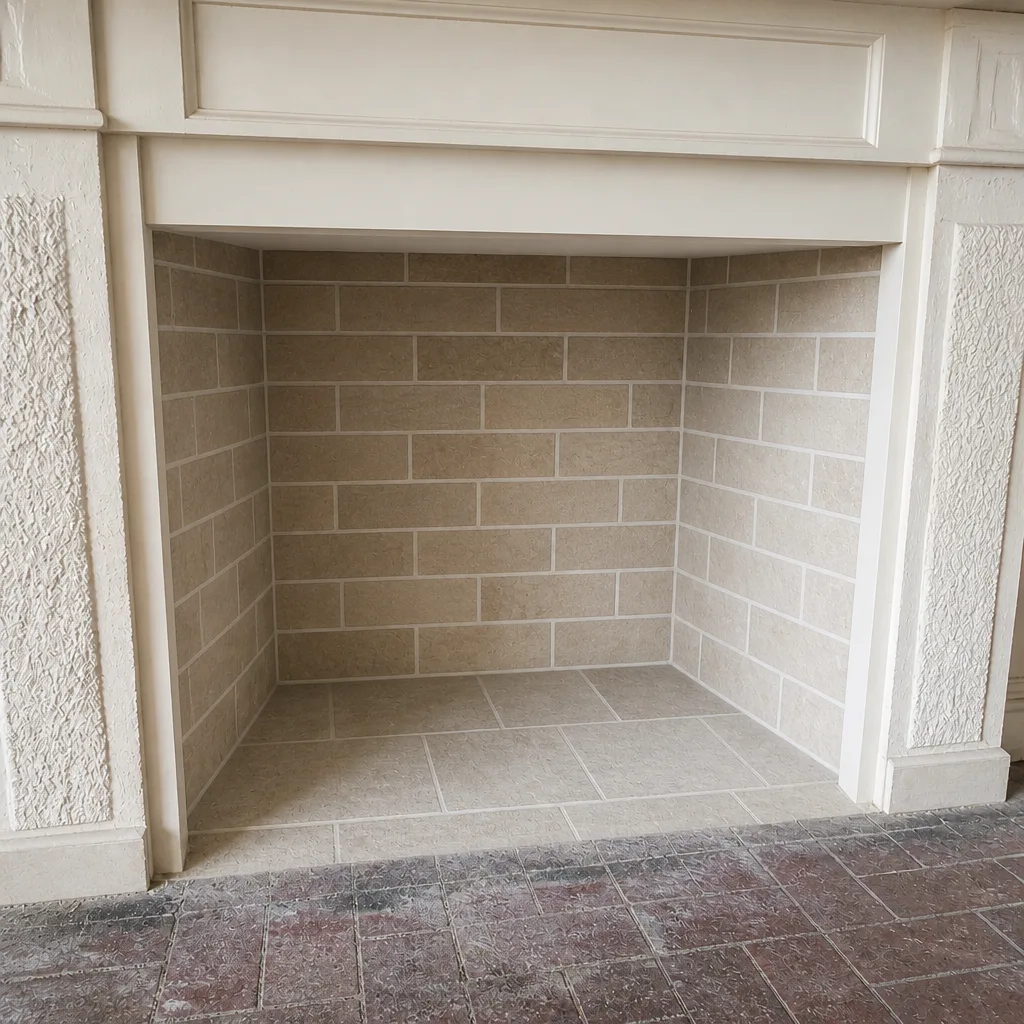 After
 Before
 After
 Before
 After
When to Call a Professional
Call a professional after any chimney fire, even a small one. Call after a CO alarm sounds, after a sudden draft or smoke problem, and after you move into a home whose chimney history you don’t know. Call if the fireplace has never been inspected since you bought the house, or if it’s been more than a year. And call before heating season starts, not after it’s underway. If you’re in Westminster and any of that sounds familiar, don’t wait for a chimney fire to force the decision. Hillcrest Chimney Sweep offers free estimates in Westminster. Call (844) 785-0715. We answer 24/7, with fast dispatch from 7am to 7pm, Sunday through Friday.
Frequently Asked Questions
Chimney sweep pricing depends on the type of appliance, the amount of buildup, and whether an inspection is included, and the written estimate sets the final price for your specific job. Call (844) 785-0715 for an exact quote. Estimates are free, and we’ll tell you what your chimney needs and nothing it doesn’t.
No. You should not use a fireplace after a chimney fire until a Level II inspection has confirmed the flue is safe. Heat damage, cracked tiles, and warped liners are invisible from the living room, and reusing the fireplace before inspection is how a contained fire turns into a house fire. Call (844) 785-0715 to book an inspection.
You may not know, which is why annual inspection matters. Signs include glazed, glassy creosote, cracked flue tiles, warped liners, and puffy or discolored creosote deposits found during a sweep. A camera inspection finds these in minutes. Call (844) 785-0715 to schedule one.
Yes. Gas inserts vent combustion byproducts through the flue, and a blocked or deteriorated flue can send carbon monoxide into the home without any smoke or smell to warn you. A camera inspection checks for blockage from nests, debris, or a collapsed liner. Call (844) 785-0715 for a free estimate.
A Level II inspection covers the full flue interior via camera, the firebox and smoke chamber, the damper, the chimney exterior including the crown and cap, and the accessible structure near the flue. It produces a written report with photos, which becomes the core of an insurance claim. Call (844) 785-0715 to book one.
Most wood-burning chimneys need sweeping once a year, and more often if you burn heavily. Gas appliances still need annual venting inspection even though they produce no creosote. If it’s been over a year, book an inspection before heating season. Call (844) 785-0715 for a free estimate.
The Bottom Line
Chimney emergency preparedness in Westminster comes down to three things: knowing the signs of an active chimney fire and acting in the first three minutes, never reusing a fireplace after a fire until a Level II inspection clears it, and having a documented inspection on file before heating season starts. Most chimney emergencies start as problems that were already visible and ignored. A camera inspection and a sweep before the cold arrives are the cheapest insurance you’ll ever buy against a chimney fire. If you’re ready to prepare, call (844) 785-0715 for a free estimate. We inspect it, sweep it, and fix it, all under one roof.
Written by the team at Hillcrest Chimney Sweep.