
Last updated November 15, 2026
 Sweep & inspection
 Caps & crowns
 Flue relining
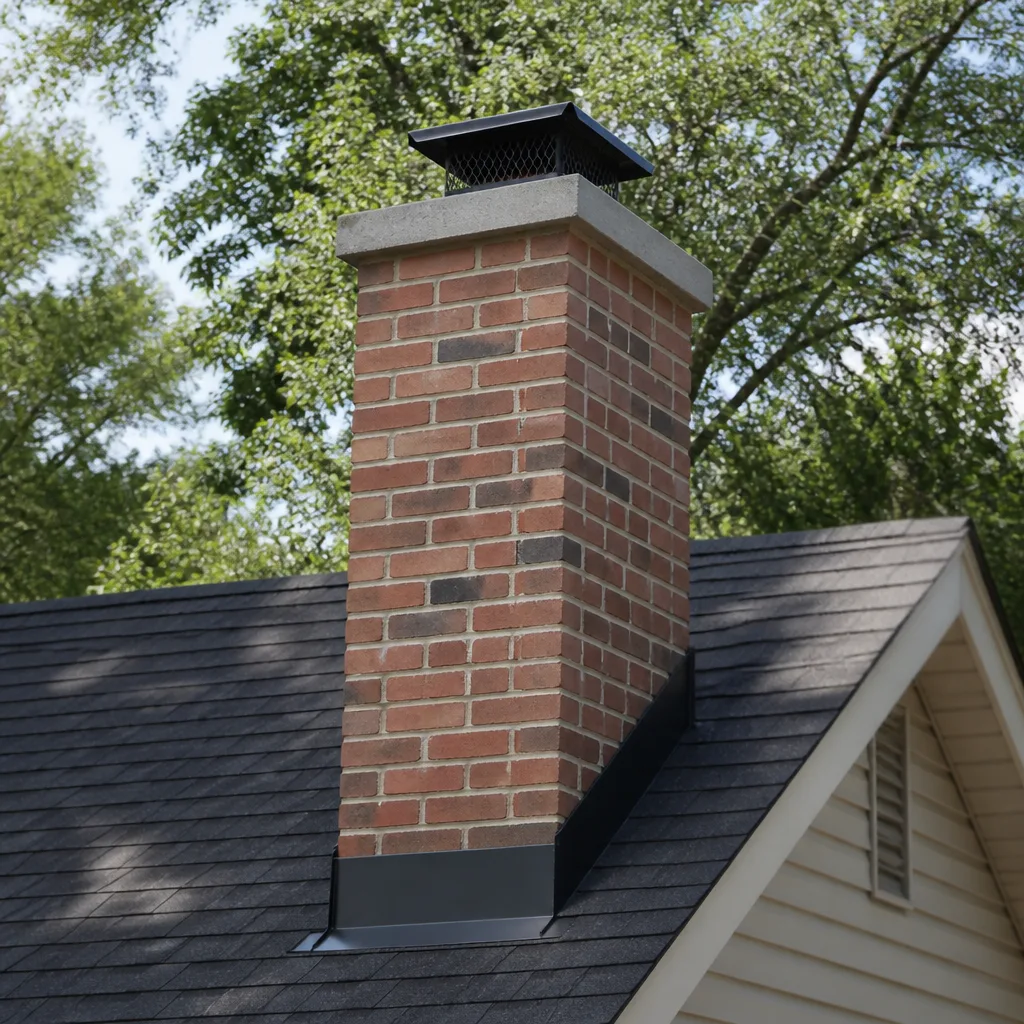 Masonry repair
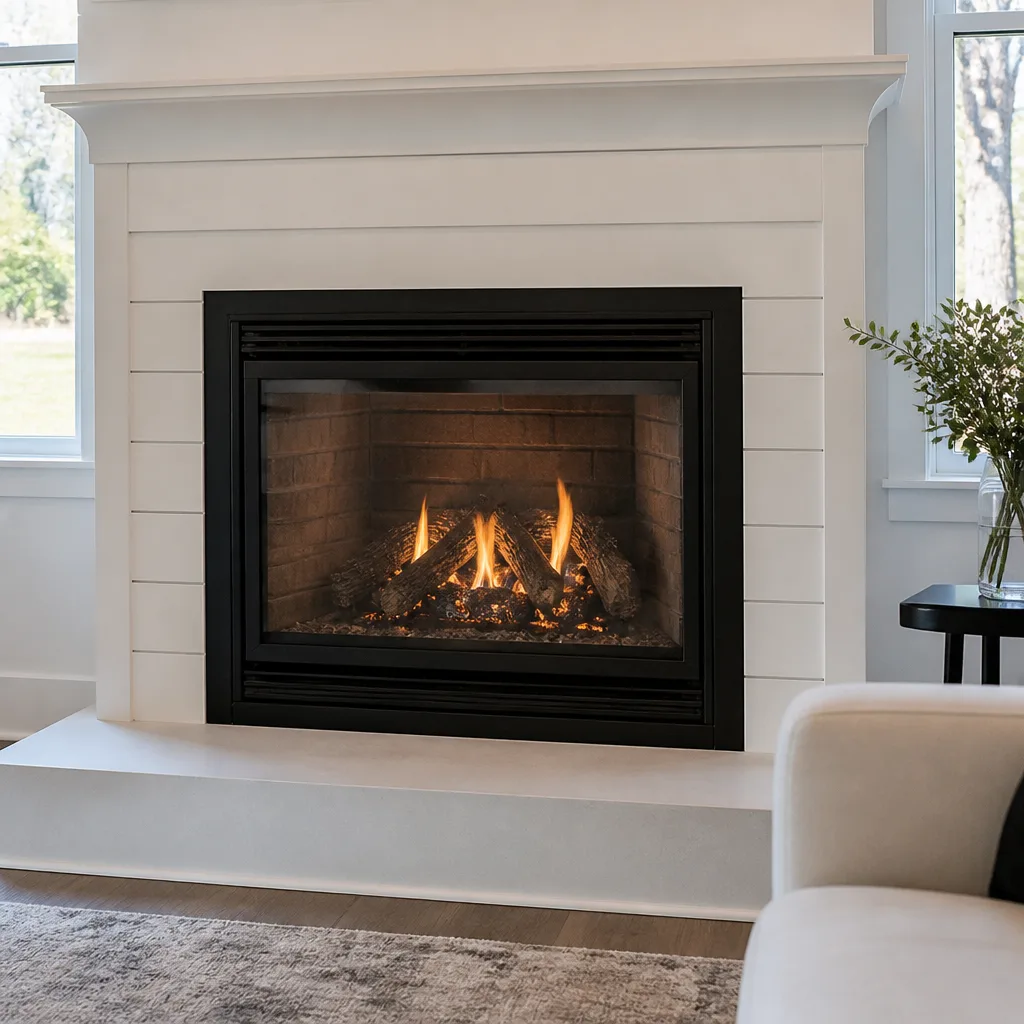 Gas fireplace service
Level 1 sweep and inspection to the NFPA 211 annual standard - flue, crown, cap, and flashing checked and photographed
Chimney sweep logs do not sweep chimneys. They loosen some creosote - which then falls where a brush and vacuum still have to collect it.
The Complete Chimney Inspection Guide for Westminster Homeowners
Most chimney inspection guides you’ll find online were written for places where masonry barely freezes. Westminster isn’t one of those places. Here on the Front Range, a chimney crown can go through more than 100 freeze-thaw cycles in a single winter, and that changes what an inspector should be looking at, how often, and why. A checklist built for a mild coastal climate will miss the failure points that actually matter on a Colorado roof.
This guide gives Westminster homeowners a locally calibrated framework for understanding exactly what a thorough inspection covers and why. You’ll learn the three inspection levels, which one fits your situation, the Front Range failure patterns generic guides skip, and how to prepare so the results are accurate.
Quick Answer
A chimney inspection is a documented evaluation of your entire chimney system, from cap to firebox, and the National Fire Protection Association (NFPA) defines three levels: Level 1 for routine annual checks, Level 2 when a home changes hands or a chimney has been through an event, and Level 3 when a hidden problem needs to be opened up. In Westminster, the freeze-thaw cycle, clay soils, and high-altitude burn patterns make a Level 2 inspection especially valuable at a home purchase and after any major storm.
Styles & brands we work with
- Sweep & inspection
- Caps & crowns
- Flue relining
- Masonry repair
- Gas fireplace service
Table of Contents
- What Are the Three Levels of Chimney Inspection?
- Which Inspection Level Does Your Westminster Home Need?
- Why Westminster Chimneys Fail Differently Than the National Guides Say
- What an Inspector Is Actually Looking At Inside Your Chimney
- Visual Inspection vs. Video Scan: When You Need the Camera
- How to Prepare Before the Inspector Arrives
- How to Read Your Inspection Report (and Spot a Sales Pitch)
- How Often Should a Westminster Chimney Be Inspected?
What Are the Three Levels of Chimney Inspection?
The chimney industry recognizes three standard inspection levels, and they are not interchangeable. Each level answers a different question, requires different access, and applies to a different situation. Most guides blur these together, which is a problem, because the level you get determines what can be found.
The three levels come from NFPA 211, the standard that governs chimneys, fireplaces, vents, and solid-fuel appliances. Knowing which level a situation calls for helps you ask for the right service and understand what the report should contain.
- Level 1 – Routine annual inspection. A visual check of readily accessible portions of the chimney and venting, plus the appliance connections. No special tools or opening of concealed spaces. This is the standard yearly inspection for a chimney that has been in continuous use with no changes to the system.
- Level 2 – Transaction and event inspection. Everything in a Level 1, plus accessible portions of the attic, crawlspace, and other areas, using video scanning of the flue interior. This is the level required when a property changes hands, when an appliance or fuel type changes, after a chimney fire or earthquake, or after a severe weather event. It’s also the appropriate level any time you’re considering a liner replacement or a change in what you burn.
- Level 3 – Diagnostic inspection. Everything in a Level 2, plus the removal of components or building materials to access concealed areas when a serious hazard is suspected and cannot be evaluated otherwise. This is the least common level and is only used when a hidden problem genuinely requires opening things up.
For most Westminster homeowners, the practical takeaway is simpler than the standard sounds: a routine check is a Level 1, a new home or a recent event calls for a Level 2, and a Level 3 is a targeted diagnostic step, not a default. If a company can’t explain which level they’re performing and why, that’s worth asking about before they start.
Which Inspection Level Does Your Westminster Home Need?
The level you need depends on your situation, not on a formula. Here’s how the three levels map to the scenarios Westminster homeowners most often face.
- New home purchase or recently inherited property: Level 2. You don’t know the chimney’s history, and the flue interior needs to be seen, not assumed. This is one of the most common reasons we’re called out in Westminster.
- Routine annual use: Level 1. If nothing has changed and the system has been in steady use, the yearly check is the right baseline.
- After a major Front Range storm, high wind event, or hail: Level 2. Exterior damage, displaced caps, and cracked crowns aren’t always visible from the ground, and the flue should be scanned.
- Switching fuel type or adding a new appliance: Level 2. A change in what you burn or how you vent it can affect sizing and safety.
- Suspecting a serious hidden hazard: Level 3, as a targeted next step after a Level 2 has identified something that can’t be evaluated without opening the structure.
A quick check before you book: if you haven’t used the chimney in over a year, if you’ve recently moved in, or if you’ve noticed a draft or a smell, you’re in Level 2 territory. When you chimney sweep and inspection are booked together, the technician sees the system during use and can fold the evaluation into the same visit.
The confusion usually comes from price. A Level 1 costs less because it involves less work and less access; a Level 2 costs more because of the video scan and attic and crawlspace access. That’s not an upsell, it’s a different scope. Ask which level you’re getting and confirm it in writing.
Why Westminster Chimneys Fail Differently Than the National Guides Say
The national chimney advice you’ll read online mostly assumes a mild climate where masonry rarely freezes and thaws. Westminster sits at an elevation and in a climate where the opposite is true, and the failure patterns reflect it. Here’s what actually shows up on Westminster roofs.
Freeze-thaw damage to the crown
The chimney crown is the concrete cap at the very top that sheds water away from the masonry. On the Front Range, water works into small cracks during the day and freezes at night, over and over across a winter. Each freeze expands the crack a little more. Over seasons, a hairline split becomes a crumbling crown, and the damage creeps down into the masonry below. A crown that looks fine from the driveway can be failing up close.
Spalling from low-humidity cycles
Colorado’s dry swings drive moisture movement through brick and mortar. Brick absorbs water when it’s wet and releases it when it’s dry, and repeated cycling can pop the face off a brick, which is called spalling. A flaking or pitted brick face isn’t cosmetic. It signals that moisture is moving through the masonry and the surface is breaking down.
Liner damage from high-altitude burn patterns
Wood burns differently at elevation, and that affects the flue. Combustion byproducts, creosote, and heat all hit the liner. A clay tile liner can crack from heat stress, and those cracks are exactly the kind of hidden problem a visual inspection from the firebox can’t see. This is one reason a video scan matters more in Westminster than the national guides suggest.
Wind and cap displacement
Front Range wind patterns work on chimney caps, tops, and flashing. A cap that’s been knocked loose or bent lets water and animals in. It’s a small hardware failure with large downstream consequences, which is why cap components from makers like Gelco are part of a proper repair conversation rather than an afterthought.
What this means for you: a Westminster chimney should be evaluated for climate-driven damage, not just for creosote. When we look at a chimney in Westminster, the crown, the brick faces, the cap, and the flue interior get equal attention because that’s where the local failures show up.
What an Inspector Is Actually Looking At Inside Your Chimney
An inspection is a walk-through of the whole system, from the cap to the firebox. It helps to know the sequence, so you understand what’s being checked and why. Here’s the anatomy, top to bottom.
The cap and crown
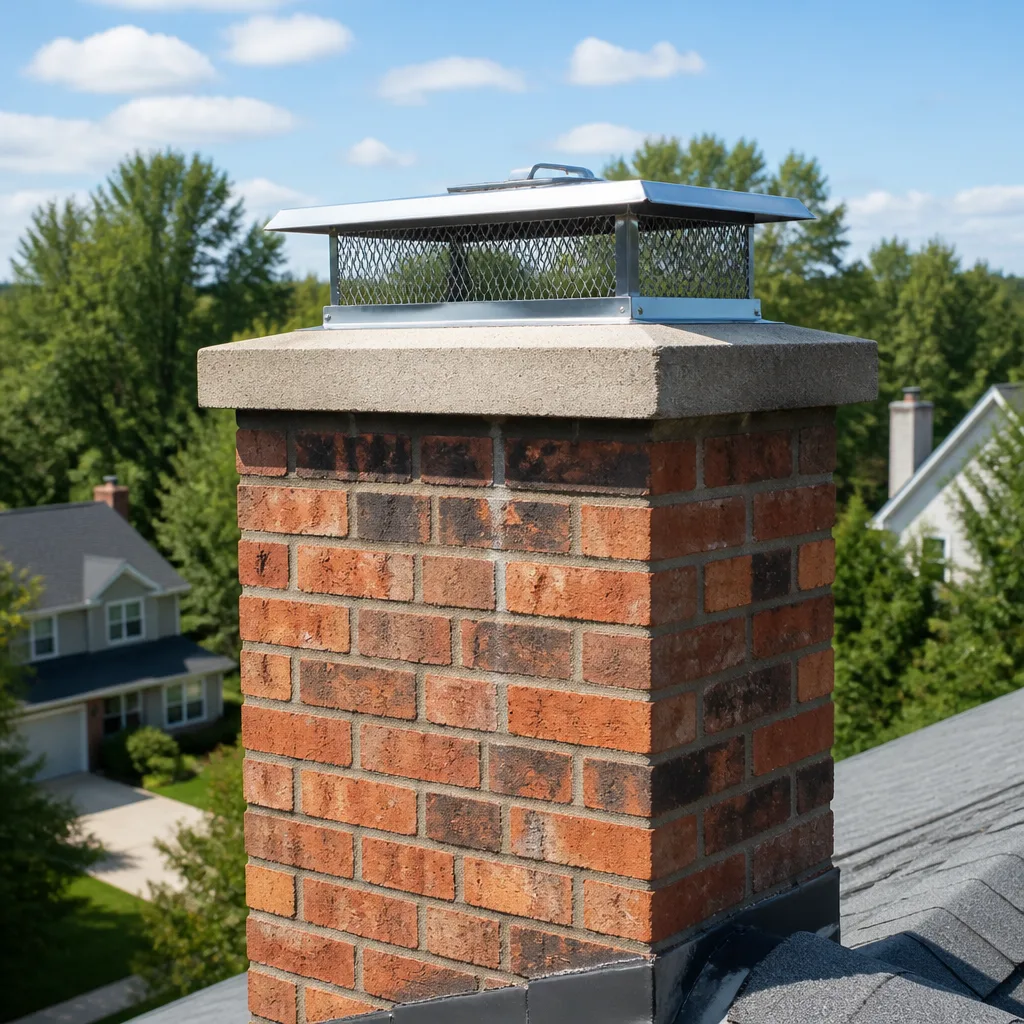
The cap keeps water, animals, and debris out of the flue; the crown sheds water from the masonry below it. Both are checked for cracks, loose fittings, and blockage. Most chimneys in Westminster are inspected here first because the climate puts these components under real stress.
The flue and liner
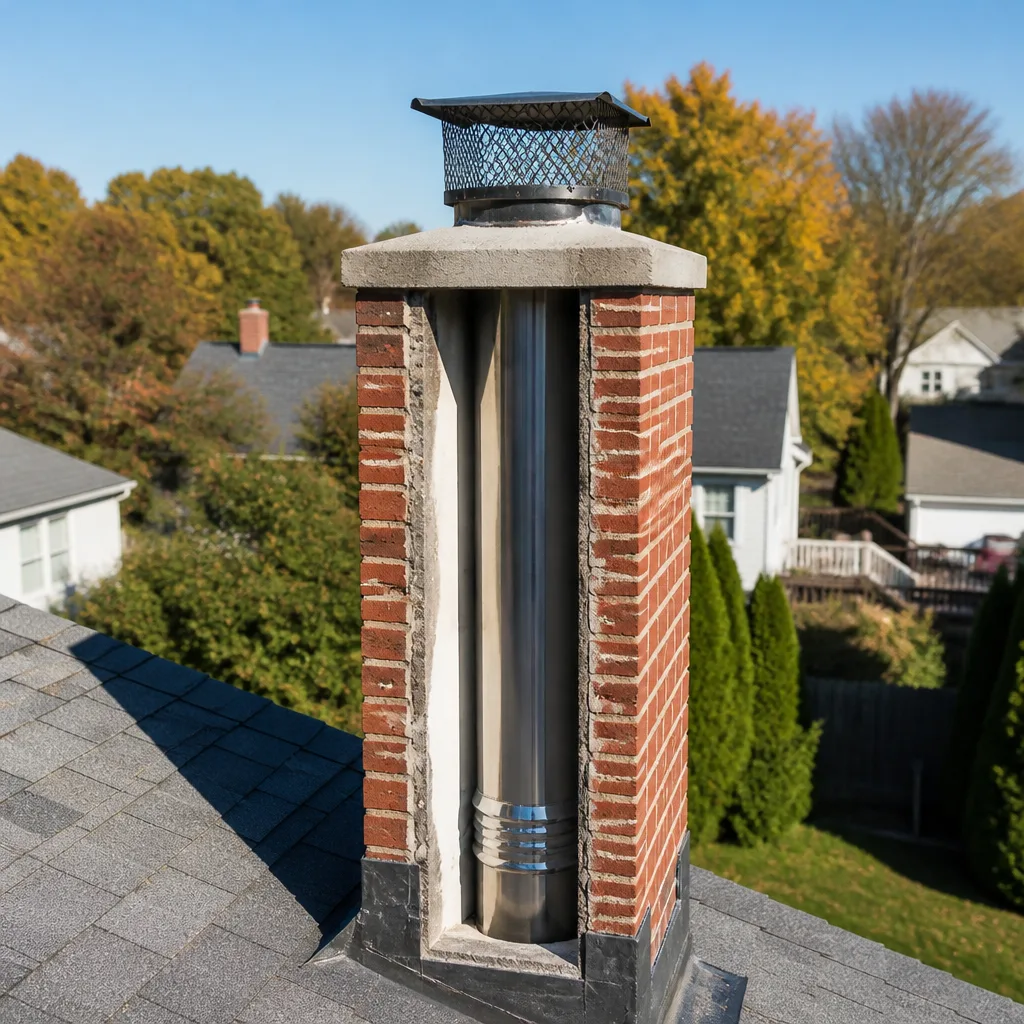
The flue is the vertical passage that carries smoke and gases out. Inside it sits the liner, which protects the masonry from heat and corrosive byproducts. The inspector checks for cracks, gaps, missing mortar joints, and buildup on the liner walls. This is where the camera comes in, because you can’t see the full length of the flue from either end.
The smoke chamber and smoke shelf
Above the firebox, the smoke chamber funnels smoke into the flue, and the smoke shelf sits at its base. The chamber’s sloped surfaces collect creosote and are a common place for hidden buildup. A proper inspection includes looking at its condition, since a rough or damaged chamber affects draft and safety.
The damper and firebox
The damper controls airflow; the firebox is where the fire burns. The inspector checks the damper for smooth operation, the firebox for cracks and deteriorated mortar, and the firebrick for damage. A firebox crack can let heat reach the structure behind it.
The appliance connection and venting
For a wood stove or gas appliance, the connection to the flue and the venting path matter as much as the chimney itself. The inspector confirms the appliance is properly connected, correctly sized, and venting where it should.
When the inspection is complete, a thorough company can move straight into a sweep if buildup is found, and into chimney repair if the scan reveals damage. That single point of contact from inspection through repair is the practical difference between a specialist and a handoff.
Visual Inspection vs. Video Scan: When You Need the Camera
A visual inspection and a video scan are not the same thing, and the difference matters most in the situations Westminster homeowners face after a move or a storm.
A visual inspection covers what can be seen with the eye and basic tools from accessible points. It’s fast, it’s the backbone of a routine Level 1, and it catches plenty. What it can’t do is see around the bends, behind offsets, or down the full interior of the flue. A cracked clay tile, a gap in a liner joint, or a heavy creosote deposit partway up can sit invisible to a purely visual check.
A video scan uses a camera to examine the flue interior along its length. It turns the invisible into something you can watch on a screen. That’s why it’s built into a Level 2 inspection and why it’s the right tool when the stakes are higher.
You specifically need the camera when:
- You’re buying or have recently bought a Westminster home and don’t know the chimney’s history.
- You’re planning a liner replacement, or a contractor has suggested one.
- There’s been a chimney fire, a storm event, or high wind damage.
- You’ve changed fuel type or added an appliance.
- A prior visual inspection flagged something that couldn’t be fully evaluated.
The camera evidence is also your protection. If someone recommends liner work, a video scan lets you see the condition of the flue yourself rather than taking the recommendation on faith. A professional will show you what the camera found and explain what it means. That’s the standard we hold to when we recommend anything beyond a sweep.
How to Prepare Before the Inspector Arrives
Most of the inspection’s accuracy comes from what the technician can access and what you can tell them. A little preparation makes the results more reliable.
- Clear the firebox and hearth. Remove ashes, unburned wood, and any fireplace tools or accessories. The technician needs a clear view of the firebox and damper.
- Clear access to the chimney. Move furniture away from the fireplace opening and make sure the attic and crawlspace hatches are reachable if a Level 2 is planned.
- Document your recent burn habits. Note what you burn (seasoned wood, manufactured logs, gas), how often, and roughly when you last had it swept. Burn habits shape how much creosote has likely built up.
- Write down any symptoms. A smoky room, a draft that pulls the wrong way, a smell when the fireplace isn’t in use, or a damper that sticks are all clues worth passing along.
- Mention any recent changes. A new roof, storm damage, a fuel switch, or a home purchase within the last year all point toward a Level 2.
- Confirm the level in advance. Ask which inspection level is being performed so you know what access to expect and what the report should cover.
None of this is heavy lifting. The point is that an inspector’s accuracy depends on access and information, and both are easier to provide before the visit than during it.
How to Read Your Inspection Report (and Spot a Sales Pitch)
A good inspection ends with documentation, not a verbal shrug. You should come away knowing the condition of the system, what was found, what if anything needs attention, and what can safely wait. Here’s what a usable report looks like.
- Condition by component. The report should describe each part, cap, crown, flue, liner, smoke chamber, damper, firebox, rather than a single overall verdict.
- Evidence for any recommendation. If repair work is suggested, the report should say what was found and show it, ideally with photos or video. “Your liner needs replacing” without evidence you can see is a red flag.
- A clear wait-or-act line. Not everything is urgent. A report should tell you plainly what can wait for the next inspection and what shouldn’t.
- The right material for the job. Recommendations should name the parts and methods involved, not just a price. For liner work, that might mean a professional resurfacing system like HeatShield or a flexible liner system such as DuraFlex, depending on the condition found.
- No pressure to decide on the spot. A report is information. You should be able to take it away, read it, and decide.
The single most useful thing you can ask is simple: “Can I see what the camera found?” If the answer is a screen showing you the flue, you’re being treated like an adult. If the answer is a description and a price, ask for the evidence. We won’t recommend work a homeowner can’t verify for themselves, and if something can safely wait, we say so.
How Often Should a Westminster Chimney Be Inspected?
Once a year is the standard baseline, and for most Westminster homeowners it’s the right default. Annual inspection catches climate-driven damage early, before a hairline crack in a crown turns into water in the masonry, and it keeps you ahead of creosote buildup.
Use that baseline, then add inspections for these situations:
- After buying a home: a Level 2 before you rely on the chimney.
- After a chimney fire: a Level 2 regardless of how small the fire seemed.
- After a major storm or high wind event: a Level 2 for exterior and flue damage.
- Any change in fuel or appliance: a Level 2.
- When you notice symptoms: a draft problem, a smell, or a smoky room is a reason to look sooner, not later.
- When the flue hasn’t been checked in over a year: time to start the annual habit.
For Westminster, the practical rhythm is to book the routine inspection with warm weather still in the calendar, so any crown or cap repair can be handled before the heating season, not during it. And when buildup is found, a chimney sweep can be done in the same visit.
Common Mistakes to Avoid
- Treating all inspections as the same. A Level 1 and a Level 2 answer different questions. Booking a routine check for a new home or a post-storm chimney leaves the flue interior unseen.
- Skipping the camera on a home purchase. A visual walk-through of a Westminster home’s chimney can look clean while a cracked liner sits out of sight. Ask for the video scan and watch it.
- Ignoring the crown because it “looks fine” from the ground. Freeze-thaw damage starts small and up close. The crown is one of the first things to fail in this climate and one of the easiest to overlook from the driveway.
- Accepting a repair quote with no evidence. If someone recommends liner or masonry work, ask to see the camera footage and photos. A professional will show you; you shouldn’t have to take it on trust.
- Waiting until the first cold snap. Westminster chimney work books up when the heat comes on. An inspection with warm weather still in the forecast gets issues resolved before the season starts.
- Mistaking a sweep for an inspection. A sweep cleans; an inspection evaluates. You can have both in one visit, but a sweep doesn’t replace the evaluation of the crown, cap, smoke chamber, and liner.
- Letting a cap stay damaged. A loose or missing cap lets water and animals in. It’s a small fix that prevents larger ones, so it belongs in the same conversation as the rest of the system.
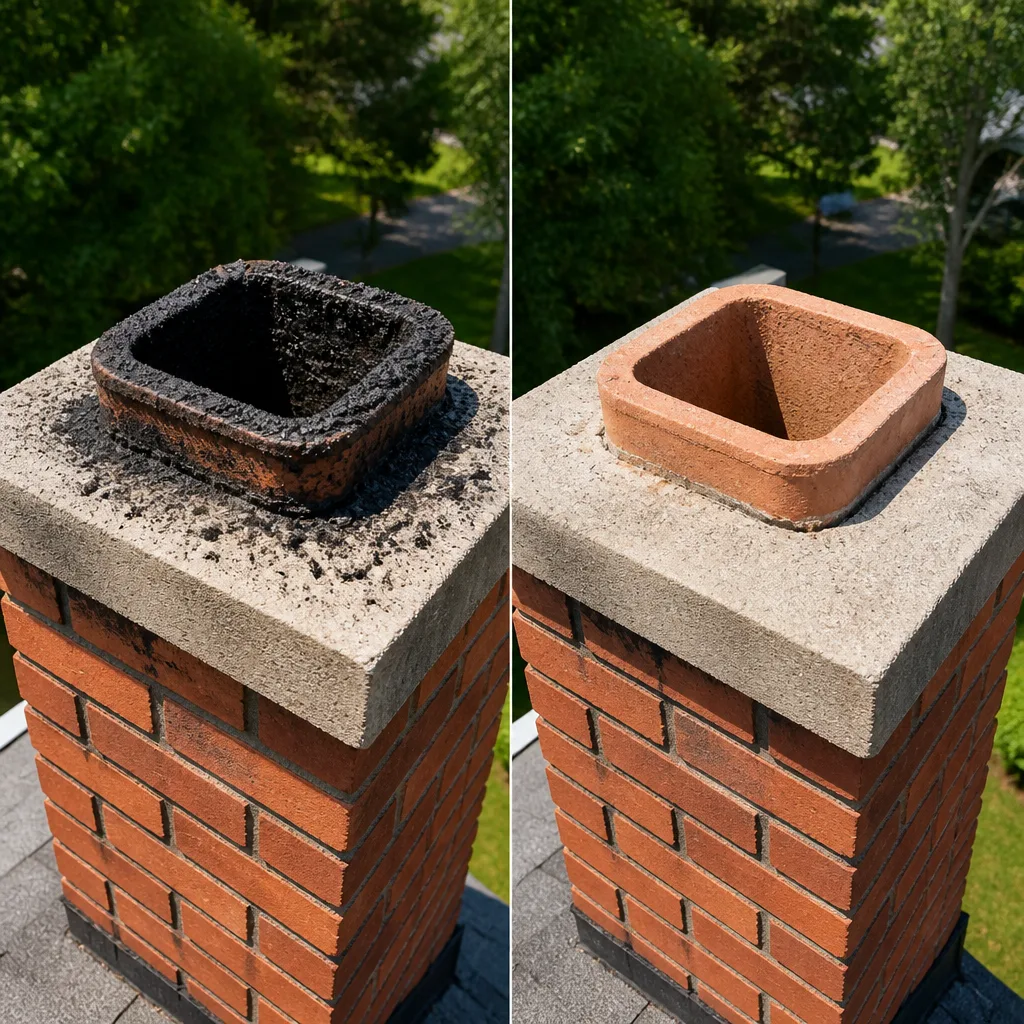
See the difference
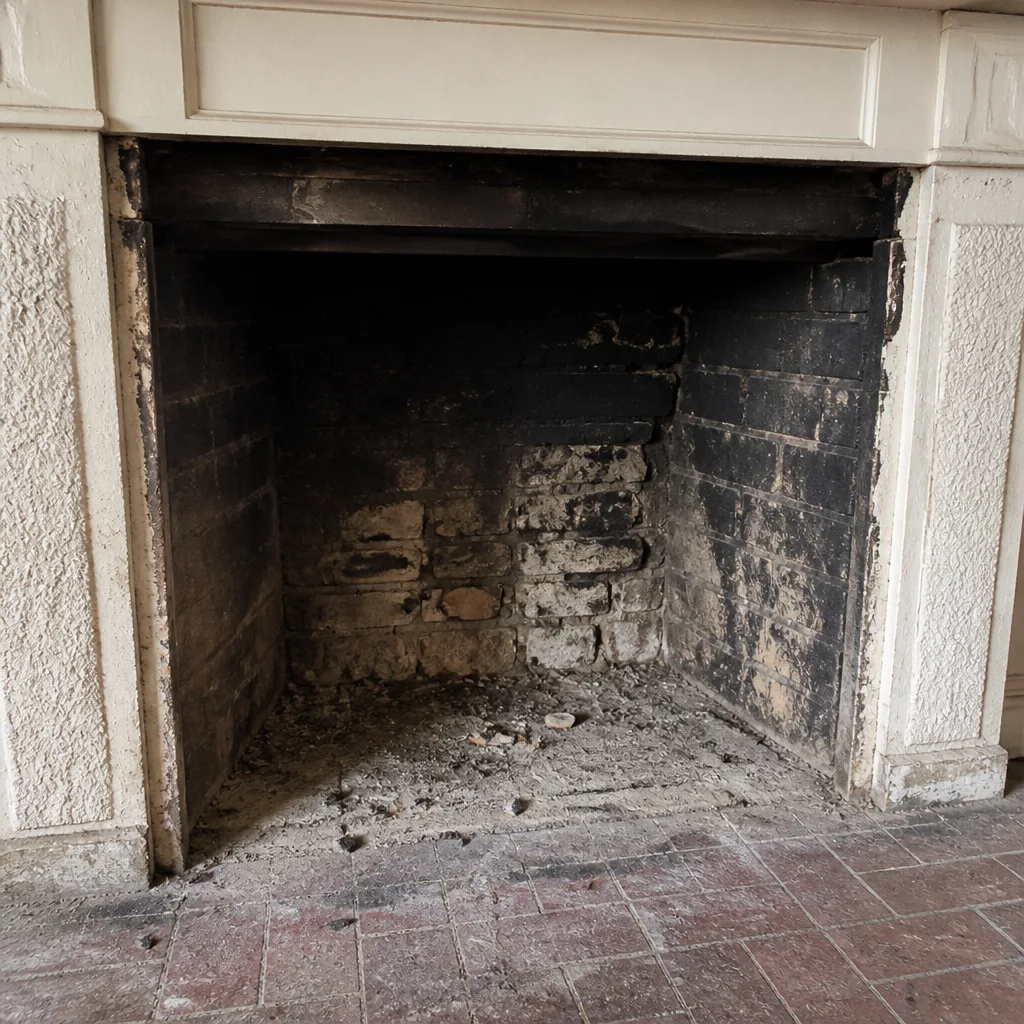 Before
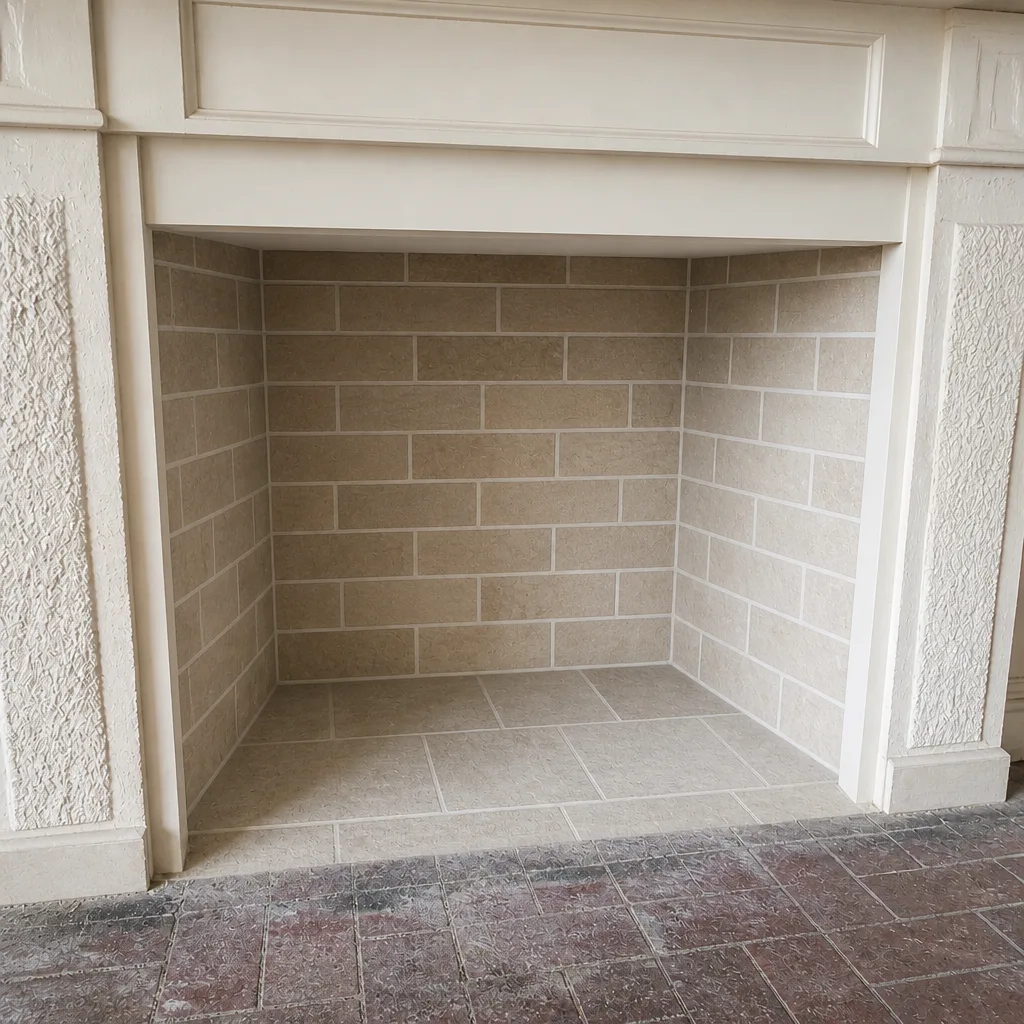 After
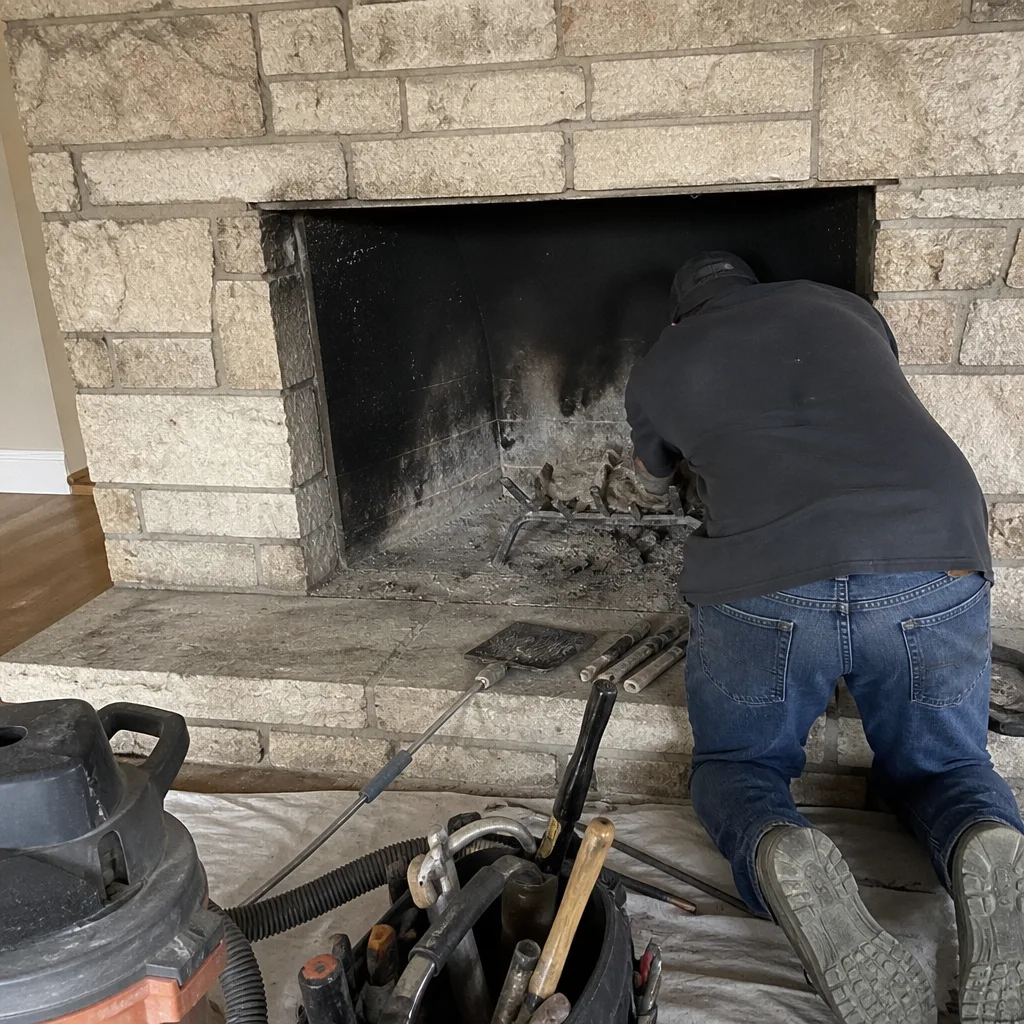 Before
 After
 Before
 After
When to Call a Professional
Call a professional when you’re buying a Westminster home and don’t know the chimney’s history, when you’ve had a chimney fire or a major storm, when you’ve switched fuel or added an appliance, when you notice a draft or a smell, or when it’s simply been over a year since the last inspection. Call, too, if someone has recommended liner or masonry work you can’t verify, because you deserve to see the evidence. These are the moments when an evaluation by a trained professional makes the most difference.
Hillcrest Chimney Sweep offers free estimates in Westminster. We inspect it, sweep it, and fix it, all under one roof, and we’ll tell you exactly what your chimney needs and nothing it doesn’t. Our technicians have up to 9 years of experience. Call (844) 785-0715. We answer 24/7. Fast dispatch from 7am to 7pm, Sunday through Friday.
Frequently Asked Questions
A chimney inspection in Westminster is priced per job by the written estimate, since the level of inspection, the access required, and any add-on like sweeping change the scope. A routine Level 1 costs less than a Level 2 with a video scan and attic and crawlspace access because it involves less work. Call (844) 785-0715 for an exact quote; estimates are free.
You need a video scan whenever the flue interior can’t be adequately evaluated from the accessible ends: a home purchase, a post-storm check, a suspected liner problem, or any proposed liner replacement. A visual inspection is the right baseline for routine annual checks, but it can’t see the full length of the flue. If someone recommends liner work, the scan is how you verify it. Call (844) 785-0715 for an exact quote.
Once a year for a chimney in regular use, plus a Level 2 after a home purchase, a chimney fire, a major storm, or a fuel change. The freeze-thaw cycle in this climate makes the annual check especially valuable because small crown and masonry cracks grow over the winter. Call (844) 785-0715 to book this season’s inspection; estimates are free.
A chimney inspection evaluates the whole system from cap to firebox: the crown, flue, liner, smoke chamber, damper, firebox, and appliance connection, with photos or video where the flue interior needs to be seen. At Level 2 and above, the camera scans the flue and the attic and crawlspace are checked. You should come away with a written report showing what was found. Call (844) 785-0715 for an exact quote on the level your situation needs.
No. A homeowner can check the firebox for obvious cracks and confirm the damper works, but the crown, flue, and liner are the parts that matter most and the parts you can’t safely or accurately evaluate from below. High-tension springs, if you have a fireplace with a mechanical component, and any electrical or gas connection are jobs for a trained professional, and so is the flue evaluation. Call (844) 785-0715 to have it done properly; estimates are free.
Not always by code, but it’s one of the strongest reasons to get a Level 2 inspection, since the buyer’s inspector will often flag the chimney and a documented report answers the question before it becomes a negotiation. A Level 2 before listing shows exactly what condition the system is in. Call (844) 785-0715 for an exact quote; estimates are free.
The Bottom Line
A chimney inspection in Westminster isn’t a generic checklist. It’s an evaluation tuned to the way this climate treats a chimney: freeze-thaw on the crown, spalling in the masonry, high-altitude burn patterns that stress the liner, and wind that works on caps and flashing. Knowing which inspection level fits your situation, asking for the video scan when it matters, preparing the firebox and your burn history, and insisting on evidence you can see for yourself are the practical moves that make an inspection useful.
We look at the whole system, from cap to firebox, and we tell you exactly what your chimney needs and nothing it doesn’t. When you’re ready, Hillcrest Chimney Sweep is here to inspect, sweep, and repair, all under one roof, and to help homeowners around Westminster get a clear, documented answer about their chimney.
Call (844) 785-0715 for a free estimate. We answer 24/7. Fast dispatch from 7am to 7pm, Sunday through Friday.
Written by the team at Hillcrest Chimney Sweep.