
Last updated November 15, 2026
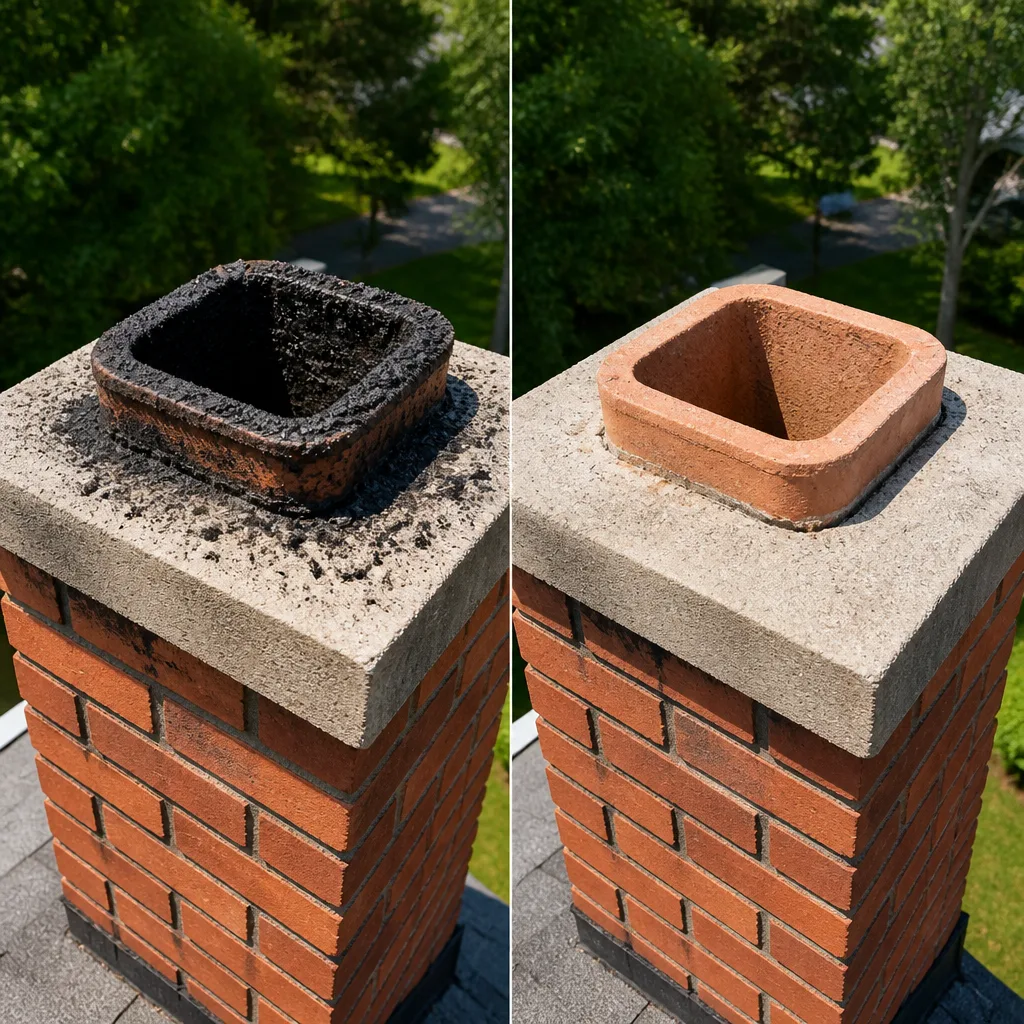 Sweep & inspection
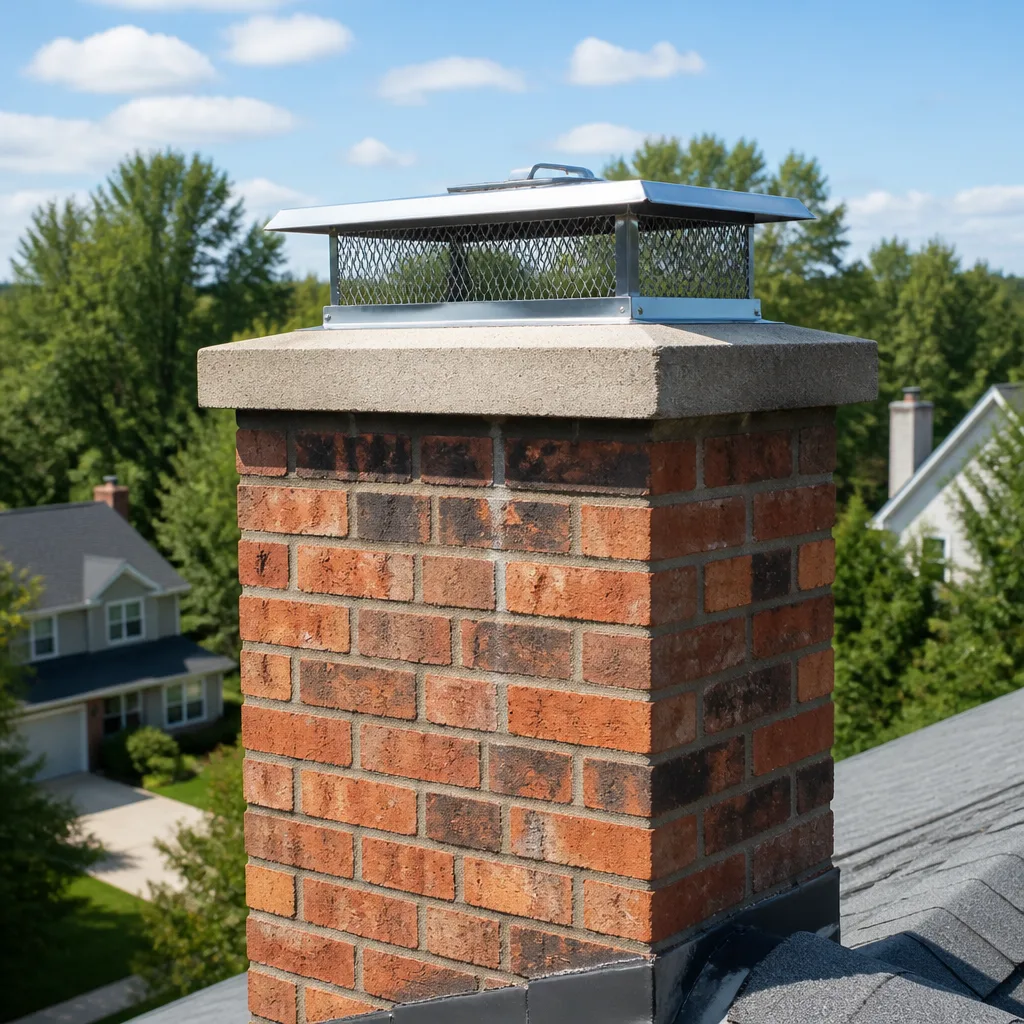 Caps & crowns
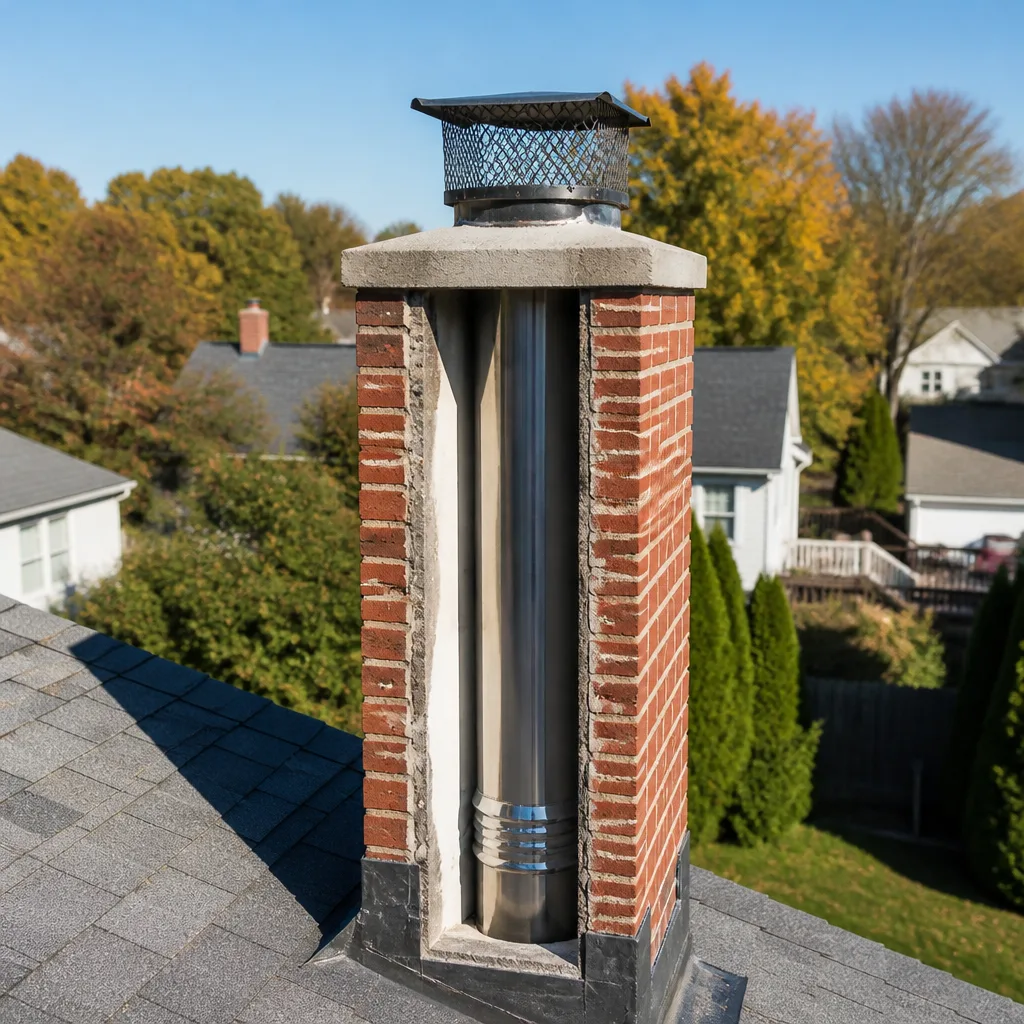 Flue relining
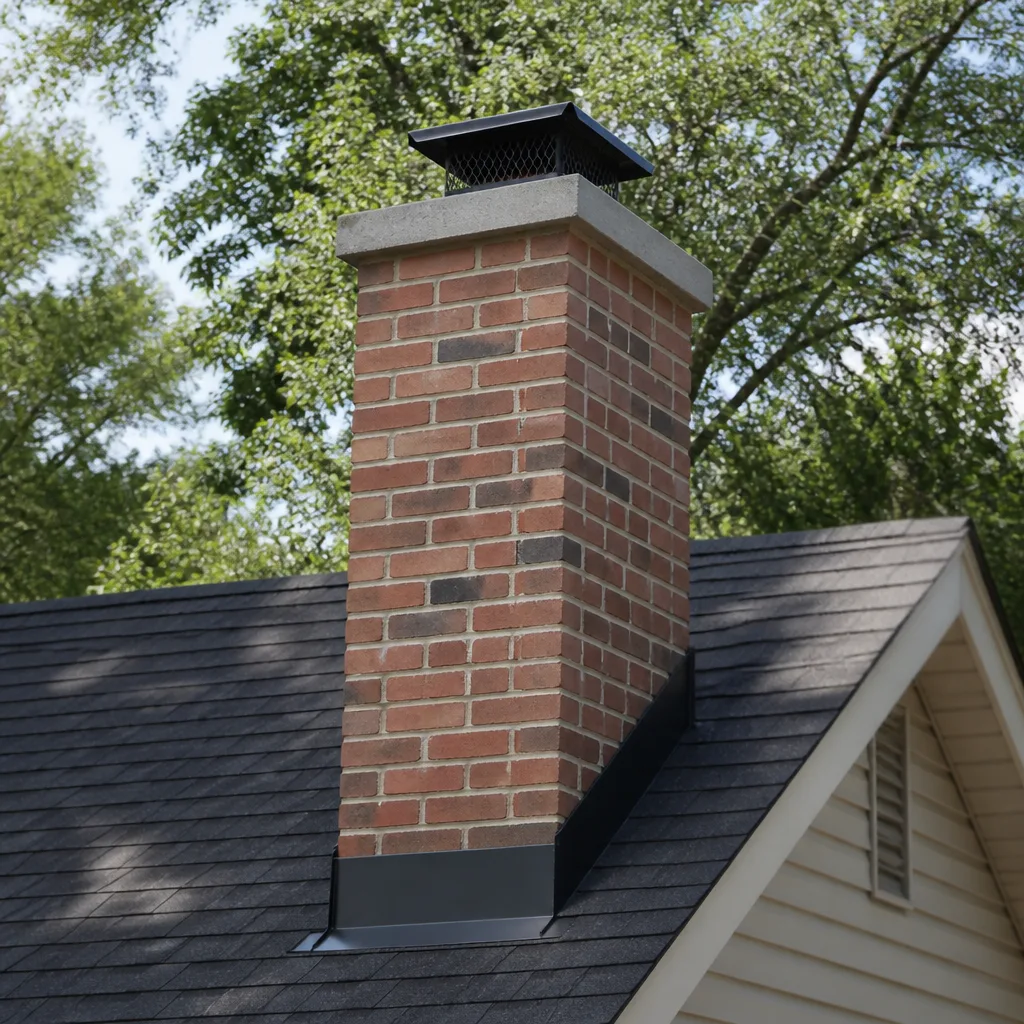 Masonry repair
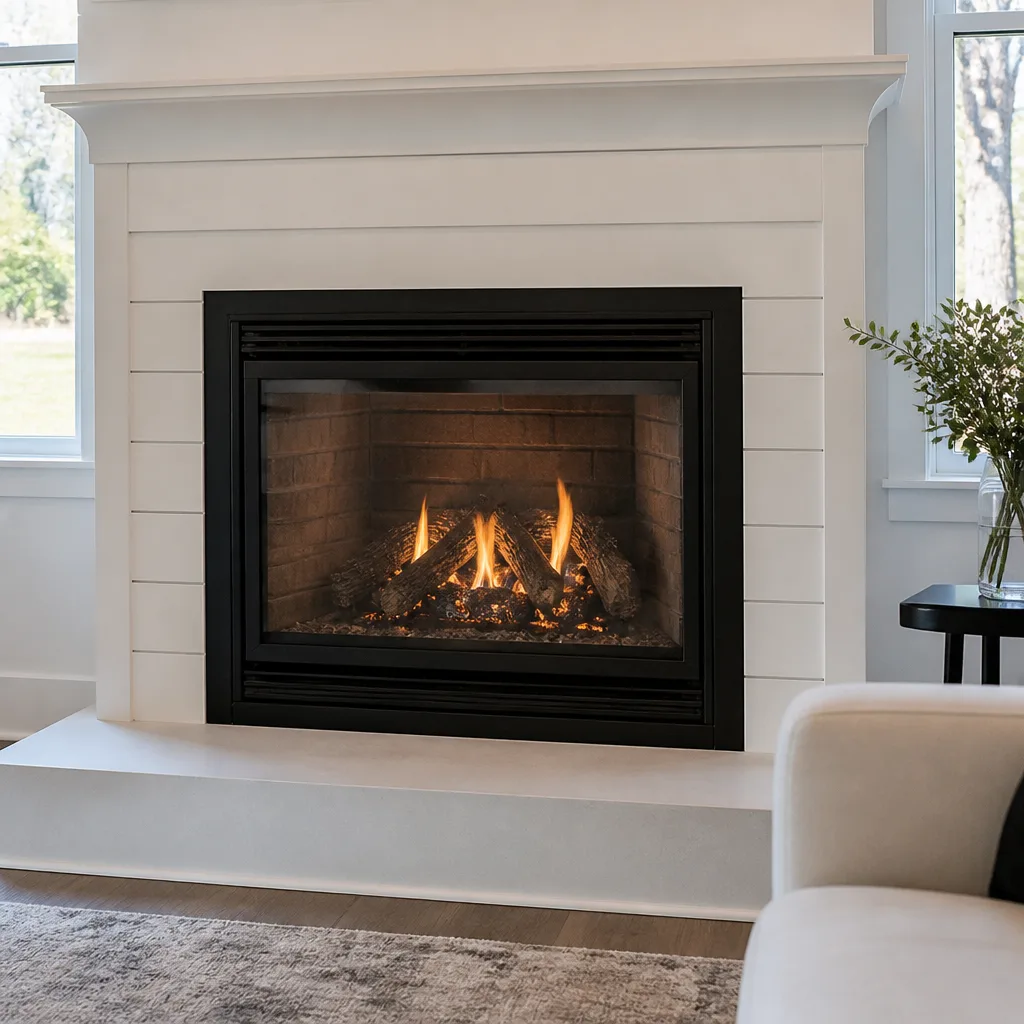 Gas fireplace service
Level 1 sweep and inspection to the NFPA 211 annual standard - flue, crown, cap, and flashing checked and photographed
Chimney sweep logs do not sweep chimneys. They loosen some creosote - which then falls where a brush and vacuum still have to collect it.
DIY vs Professional Chimney Cleaning: The Westminster Homeowner’s Decision Guide
You can buy the same brushes a professional uses. The part you can’t buy is knowing whether the black residue you just removed was stage 1 creosote or the early formation of stage 2 – a distinction that changes your risk profile entirely. That’s the uncomfortable truth behind the DIY chimney cleaning decision, and it’s why the question isn’t really about courage or saving money. It’s about whether you can accurately assess what the cleaning reveals. This guide walks through what DIY brushing actually accomplishes, where it quietly creates liability, and how Westminster homeowners can make a clear-eyed call.
Quick Answer
DIY chimney brushing is reasonable for light, routine maintenance on a chimney you’ve had professionally inspected and know to be sound – typically a wood-burning fireplace used seasonally with a straight flue. Professional cleaning is the safer choice whenever creosote buildup is heavy, the flue is unfamiliar, the chimney is on a new-to-you home, or it’s been more than a year since an inspection. The dividing line is inspection, not scrubbing: a brush cleans, but only a camera and a trained eye tell you what you were actually cleaning off.
Styles & brands we work with
- Sweep & inspection
- Caps & crowns
- Flue relining
- Masonry repair
- Gas fireplace service
Table of Contents
- What DIY Brushing Realistically Accomplishes
- The Creosote Staging System, Explained
- Three Scenarios Where DIY Is Genuinely Reasonable
- Three Scenarios Where DIY Creates Liability
- Equipment Cost Reality: The Honest Break-Even Math
- How Insurance Treats Chimney Fires Without an Inspection Record
- Westminster Climate, Housing, and Chimney Behavior
- A Step-by-Step Decision Framework
What DIY Brushing Realistically Accomplishes
A round wire or poly brush on a flexible rod, run from the top down or through the firebox, removes loose soot and light flaky creosote from the flue walls. That’s a real service. On a clean, well-maintained chimney, it’s the bulk of what a sweep does during a routine visit. For a homeowner in Westminster with a fireplace they run a few evenings a week through the cold months, brushing can keep things honest between professional visits.
What brushing cannot do is tell you what’s underneath. A brush contacts the flue walls. It doesn’t see them. When we sweep a Westminster chimney, the sequence is inspect, then sweep, then check again with a camera, because sweeping blind means you might have missed a damaged flue tile, a cracked mortar joint, or a heavy glaze of hardened creosote that the brush skimmed over without removing. Those conditions don’t announce themselves. They sit in the flue until a hot fire finds them.
Here’s what a proper chimney sweep delivers that a homeowner brush-and-rod set does not:
- A video camera inspection of the full flue run, from damper to cap, with photos you keep
- A creosote stage assessment that tells you how close the deposits are to being flammable
- A check of the smoke chamber and damper, areas a top-down brush never reaches
- A look at the cap, crown, and flashing for water intrusion and animal entry
- A written record of condition, which matters for insurance and resale
Those items are the difference between “I cleaned my chimney” and “I know my chimney is safe.” For homeowners who’ve recently bought a home in Westminster – and a good number of the calls we take are exactly that – the inspection is the point. You inherit a chimney with an unknown history. A brush tells you nothing about that history. A camera does.
The Creosote Staging System, Explained
Creosote is the residue left behind when wood smoke cools on the flue walls, and it forms in three recognizable stages. The stage matters far more than the quantity. A flue coated in a thin, even layer of stage 3 glaze is a more serious situation than a flue with a heavier dusting of stage 1 fluff, even though the first looks cleaner. This is the core reason DIY sweeping is riskier than it appears: brushing removes the evidence and leaves the homeowner with no ability to grade what’s left.
Here’s how the three stages differ:
- Stage 1: Soot and flaky creosote. Light, dusty, easily brushed away. This is what a routine sweep handles without drama. Frequent small hot fires produce less of it than smoldering, choked fires.
- Stage 2: Hardened, crusty creosote. Dark, brittle, sometimes flaking in sheets. It adheres to the flue and doesn’t brush off cleanly. This is where a homeowner’s brush starts to skate over a surface that looks fine but isn’t. Stage 2 is the early warning sign most DIY sweeps miss because the flue “feels clean” to the touch.
- Stage 3: Glazed, tar-like creosote. Hard, shiny, and stubbornly adhered. This is the flammable form, and it requires professional removal – often with chemical treatment and specialized tooling, not a brush. A homeowner has no reliable way to identify stage 3 by feel or sight from the firebox.
The takeaway is simple and uncomfortable: the visual difference between a safe flue and one primed for a chimney fire can be nearly invisible. A trained technician reads the flue with a camera and knows what stage 2 transitioning to stage 3 looks like. A homeowner with a brush is guessing. If you want an honest grade of your flue, that’s a job for an inspection by a specialist, not a scrubbing pad.
Three Scenarios Where DIY Is Genuinely Reasonable
We’re not going to tell you a brush in your hands is always a mistake. It isn’t. There are real situations where a reasonably handy Westminster homeowner can maintain their own chimney with a light touch, and doing so is fine. Here’s where we’d say DIY is appropriate.
- You’ve had a professional inspection within the last year and the flue was graded sound. If a technician has already looked at the flue, confirmed the liner is intact, and told you the buildup is routine, a mid-season brush keeps soot from accumulating between professional visits. You’re maintaining a known-good chimney, not investigating an unknown one.
- You burn a few fires a month on a straight, accessible flue. A simple vertical flue with good draft and a modest burn schedule produces less creosote and is easier to brush. If the chimney is short, straight, and easy to reach from the roof with proper safety gear, DIY brushing of stage 1 deposits is low-risk maintenance.
- You’re cleaning up after a light season, not diagnosing a problem. The end-of-season sweep, when the flue is cool and the deposits are mostly soot, is the most forgiving DIY task. You’re not chasing a draft problem or a weird smell – you’re just clearing light residue before the warm months.
Notice what all three have in common: you already know the chimney is sound. DIY works best as maintenance on a known quantity. The moment the task shifts from “clean” to “figure out what’s wrong,” you’ve stepped outside what a brush can honestly do. If you burn wood heavily or your fireplace is your main heat source through a Westminster winter, you’re past the DIY line.
Three Scenarios Where DIY Creates Liability
Now the other side. These are the situations where do-it-yourself chimney work moves from thrifty to genuinely risky – not because you’ll hurt yourself scrubbing, but because you’ll miss something that matters and carry the consequence forward.
- You’ve just bought the home. You don’t know the chimney’s history, the previous owner’s burn habits, or whether the flue has a hidden crack. A Westminster home purchased this year could have a liner that’s been quietly degrading for a decade. Brushing it yourself gives you a false sense of security. An inspection gives you facts.
- You smell a problem or see smoke in the wrong place. A draft that’s gotten worse, smoke rolling into the room, a sour smell on humid days – those are symptoms, not dirt. DIY brushing doesn’t diagnose symptoms, and worse, a clean-looking flue can mask the cause. If something has changed about how your chimney behaves, it needs eyes, not a brush.
- The flue has heavy or glazed buildup. If you look up and see shiny, tar-like deposits, you’re into stage 2 or stage 3 creosote. That’s a fire risk that a homeowner brush won’t fully remove, and scrubbing the surface can break off hard deposits that fall and lodge elsewhere in the flue. This is professional territory. If the flue or the firebox needs work beyond cleaning, that’s a chimney repair job, not a brushing job.
Here’s the liability angle plainly: if you brush your own chimney, spot nothing wrong, and a year later a chimney fire damages the flue, you’ve done the work without a record. That matters more than most homeowners realize, and we’ll get to why in the insurance section below. The point for now is that DIY removes the paper trail along with the soot.
Equipment Cost Reality: The Honest Break-Even Math
Let’s do the math without flattering anyone. A decent DIY chimney cleaning setup isn’t just a brush. Here’s what it takes to do it safely and effectively:
- Poly or wire flue brush sized to your flue, plus a spare
- Flexible rod kit long enough to reach the full flue run, with a drill adapter
- Roof safety gear – harness, anchor, ladder stabilizer, or a roof rake setup
- Drop cloths, shop vac with a HEPA filter, dust mask, goggles, gloves
- A flashlight strong enough to actually see up the flue
A basic brush-and-rod kit runs in the low hundreds. Add proper roof safety equipment and a HEPA shop vac and you’re well past that. Now compare: a professional sweep in Westminster, done right, includes the brush work, the camera inspection, the creosote assessment, the cap and crown check, and a written record. That last part – the inspection – is the part your DIY kit can’t replicate at any price.
Here’s the honest break-even. If you sweep once a year and your setup costs roughly what a single professional visit costs, you break even on year one – on the brushing alone. But you never recover the inspection. And if your DIY brushing misses a stage 2 transition for two years running, the eventual repair cost dwarfs every dollar you “saved” brushing. The math only favors DIY when the chimney is known-sound and the task is genuinely light maintenance. For everyone else, the professional visit is the cheaper option over the life of the chimney, not the more expensive one.
Our Westminster pricing is set per job by a written estimate, and the estimate itself is free. There’s no service-call fee to find out where you stand.
How Insurance Treats Chimney Fires Without an Inspection Record
This is the part of the DIY question almost nobody brings up, and it’s the one that can cost the most. Homeowners insurance covers chimney fires, but the claim process is sensitive to documentation. When a chimney fire claim comes in, insurers commonly ask for proof of maintenance – a sweep record, an inspection report, a receipt. If there’s no record, the claim doesn’t automatically fail, but it invites scrutiny, and in some cases it can complicate or reduce the payout.
Think about what a DIY sweep leaves behind. Nothing. No invoice, no camera footage, no technician’s note on the flue’s condition. If a chimney fire happens, the homeowner’s position is “I cleaned it myself.” That’s difficult to substantiate and easy for an adjuster to question.
A professional visit produces a paper trail: a dated inspection report, photos of the flue before and after, and a record of what was found. That record is what you hand your insurer if the worst happens. It’s also what you hand a buyer if you sell the home in Westminster, and what you hand yourself when you’re deciding whether a repair is honestly needed.
Here’s the practical version: insurance aside, the reason to pay for professional cleaning isn’t the brushing. It’s the evidence. You’re buying a documented assessment of your chimney’s condition, and that document has value beyond the day of the sweep. If you’re mapping out a maintenance rhythm, see our guide on chimney inspection for how often that record should be refreshed.
Westminster Climate, Housing, and Chimney Behavior
Westminster’s Front Range climate shapes how chimneys behave in ways that matter for the DIY decision. The long, cold winters mean many homeowners burn steadily from late fall into early spring, and steady burning is generally easier on a flue than the stop-start pattern of a milder climate. Cooler, faster-burning fires produce less creosote than the smoldering, choked-down fires people run when they’re trying to stretch a load of wood. That’s a point in favor of Westminster chimneys staying cleaner than you might expect.
The other side of that: the temperature swings along the Front Range – warm afternoons, hard freezes overnight – are tough on masonry. Freeze-thaw cycles work on mortar joints, crowns, and flashing, and a small crack in the crown is an invitation for water to get in and start degrading the flue from the outside. That kind of damage is invisible from the firebox. A homeowner brushing their own flue won’t see a failing crown unless they climb up and know what to look for, which is one more reason the professional visit includes the exterior check, not just the interior scrubbing.
Then there’s the housing itself. A lot of Westminster’s older neighborhoods have homes with original masonry chimneys and flues that have been through decades of use. Newer construction may have factory-built or lined flues with their own maintenance needs. Either way, the chimney’s specific construction determines how it should be cleaned and inspected – another area where a general brush-and-rod approach falls short. DuraFlex flexible liner systems, for instance, are in a professional’s toolkit because relining a deteriorated flue is sometimes the honest recommendation once a camera shows what’s actually there. A homeowner won’t know they need that until someone inspects.
If you’re new to the area or new to the home, our chimney sweep service in Westminster starts with the inspection, because that’s what tells you what the chimney actually needs.
A Step-by-Step Decision Framework
Rather than a gut call, walk through this in order. It takes five minutes and it’ll tell you which side of the line you’re on.
- When was the last professional inspection? If you don’t know or it’s been more than a year, stop here – book an inspection. Nothing below matters until you know the flue’s condition.
- Is the chimney new to you? If you bought the home within the past year, treat the chimney as unknown regardless of what the seller said. Inspection first.
- How heavy is your burn schedule? A fireplace used a few times a month is a maintenance case. A wood stove or fireplace that’s a primary heat source through the winter is a professional case, full stop.
- What does the flue look like? Shine a strong light up the flue. Light, dusty soot is stage 1. Dark, crusty, or shiny tar is stage 2 or 3 – professional removal.
- Has anything changed about how it behaves? Worse draft, smoke where it shouldn’t be, a smell that wasn’t there before. That’s a diagnostic question, not a cleaning one.
- Do you have roof safety gear and a real confidence in using it? If the answer is no, the top-down brush isn’t a DIY job. A fall off a Westminster roof is a much worse outcome than a missed sweep.
- If steps 1 through 6 all point to maintenance on a known-sound flue, brush away. Otherwise, call a professional and get the inspection that tells you what’s really there.
That framework is the whole guide in miniature. DIY is fine as maintenance on a chimney you already understand. It’s the wrong tool for a chimney you don’t.
Common Mistakes to Avoid
- Brushing without ever seeing the flue. A brush on a rod cleans a surface it can’t evaluate. If you’ve never had a camera inspection, you don’t know if you’re cleaning stage 1 soot or polishing over stage 2 crust. Book the inspection before the brush.
- Assuming a clean-looking firebox means a clean flue. Deposits accumulate up the flue, not in the firebox. A tidy firebox tells you nothing about what’s happening a few feet higher. This catches a lot of Westminster homeowners who judge their chimney by the part they can see.
- Ignoring the crown, cap, and flashing. Westminster’s freeze-thaw swings are hard on the tops of chimneys. A failed crown or loose flashing lets water in and starts flue damage from the outside. Cleaning the inside while ignoring the top is half a job.
- Burning smoldering, choked fires to save wood. A choked fire produces more creosote than a hot one, and creosote is what stage 2 and 3 buildup is made of. The way you burn matters as much as how often you clean.
- Skipping the record. A DIY sweep leaves you with no documentation. If you ever file a chimney fire claim or sell the home, that missing record is a problem. Keep receipts from any professional visit and know where they are.
- Climbing the roof without proper gear. A roof brush is a fall hazard first and a cleaning tool second. If you don’t have a harness, a stable ladder setup, and dry conditions, don’t go up. The brush can wait.
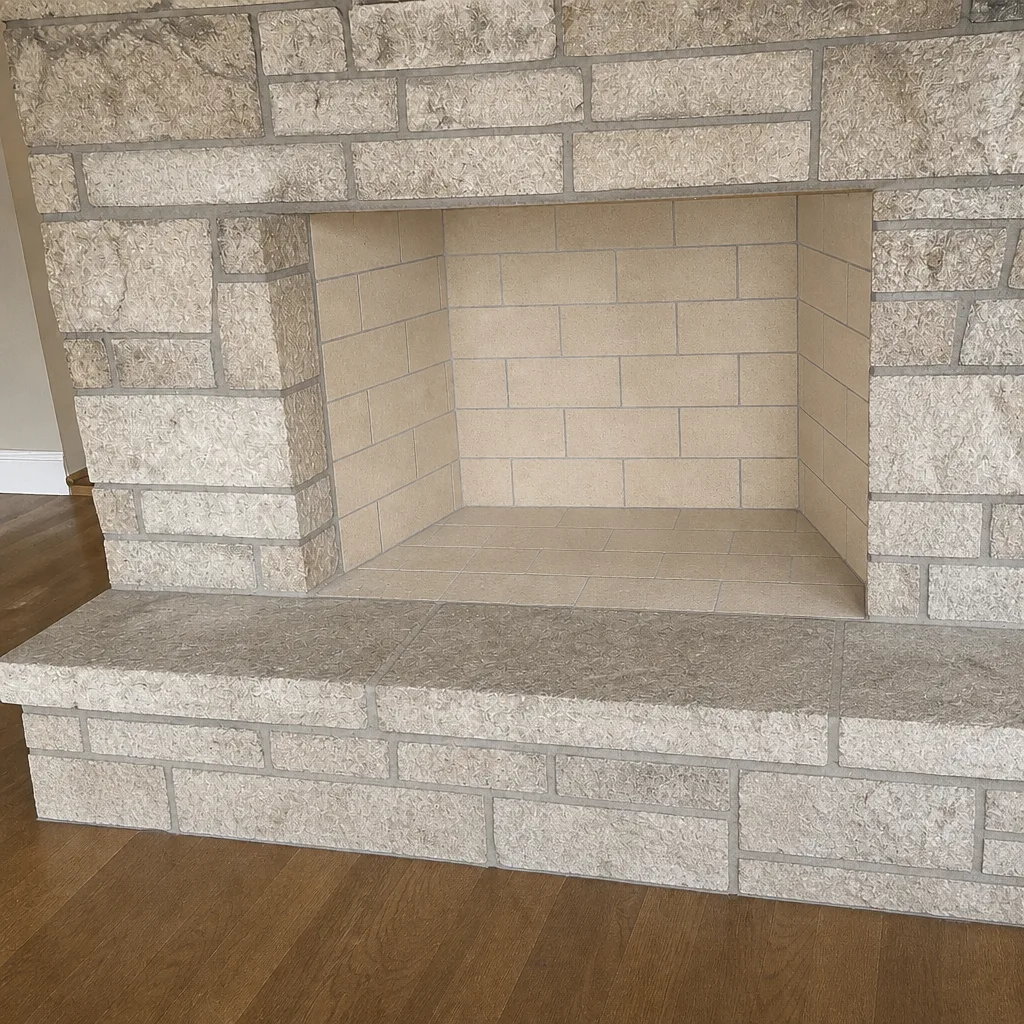
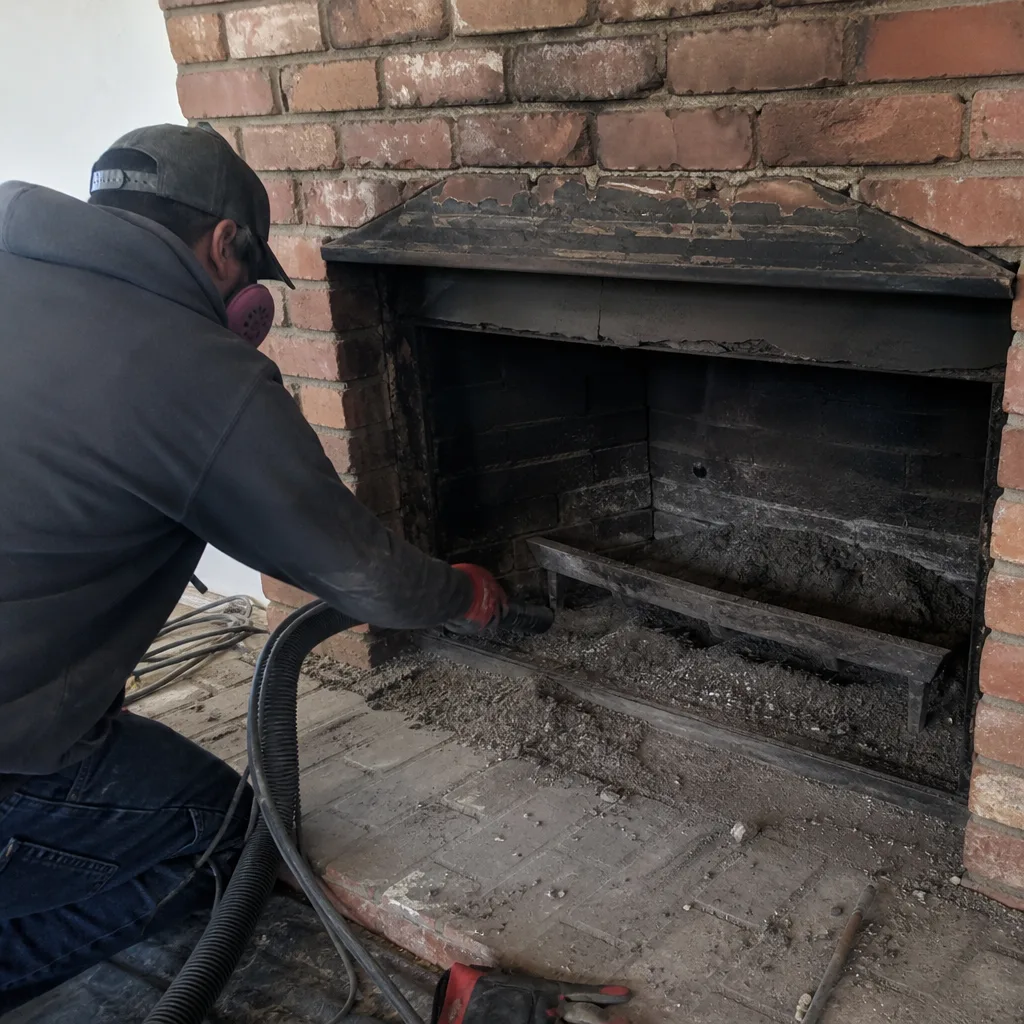
See the difference
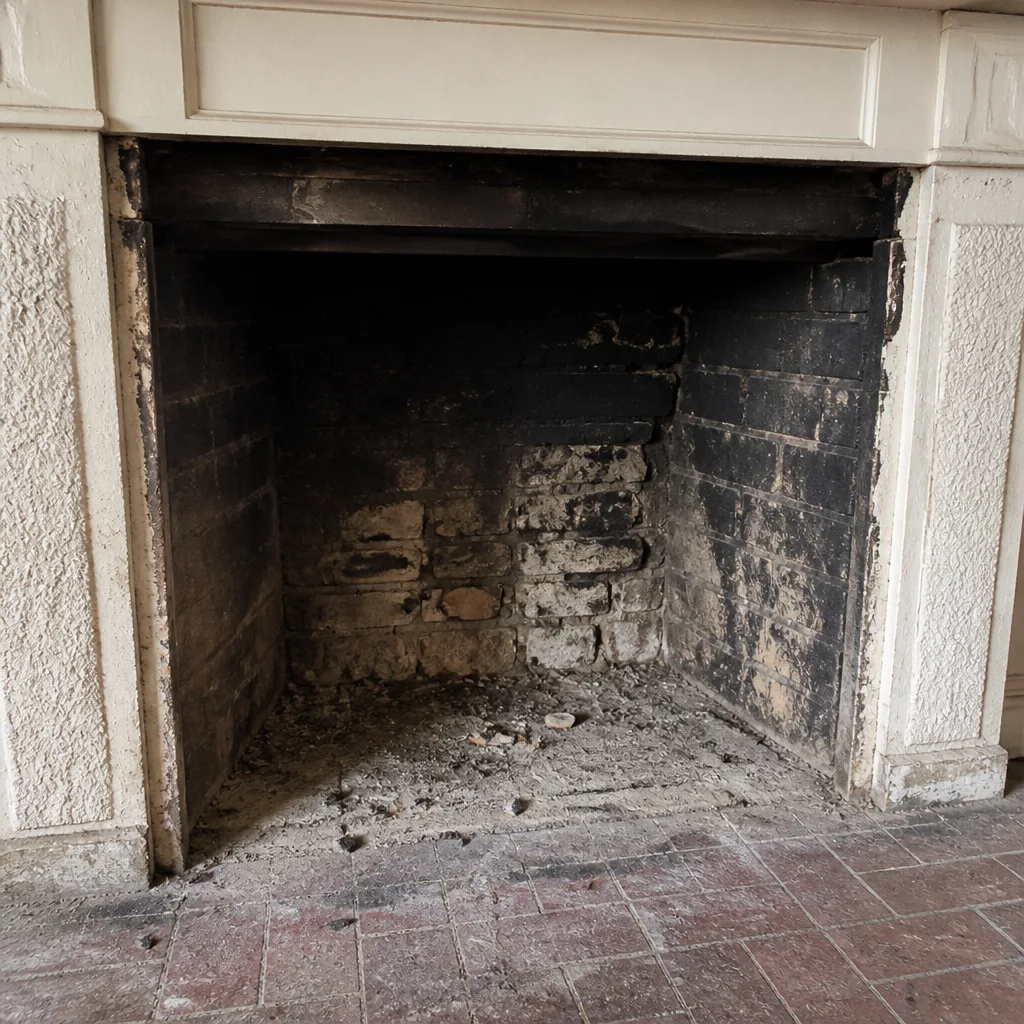 Before
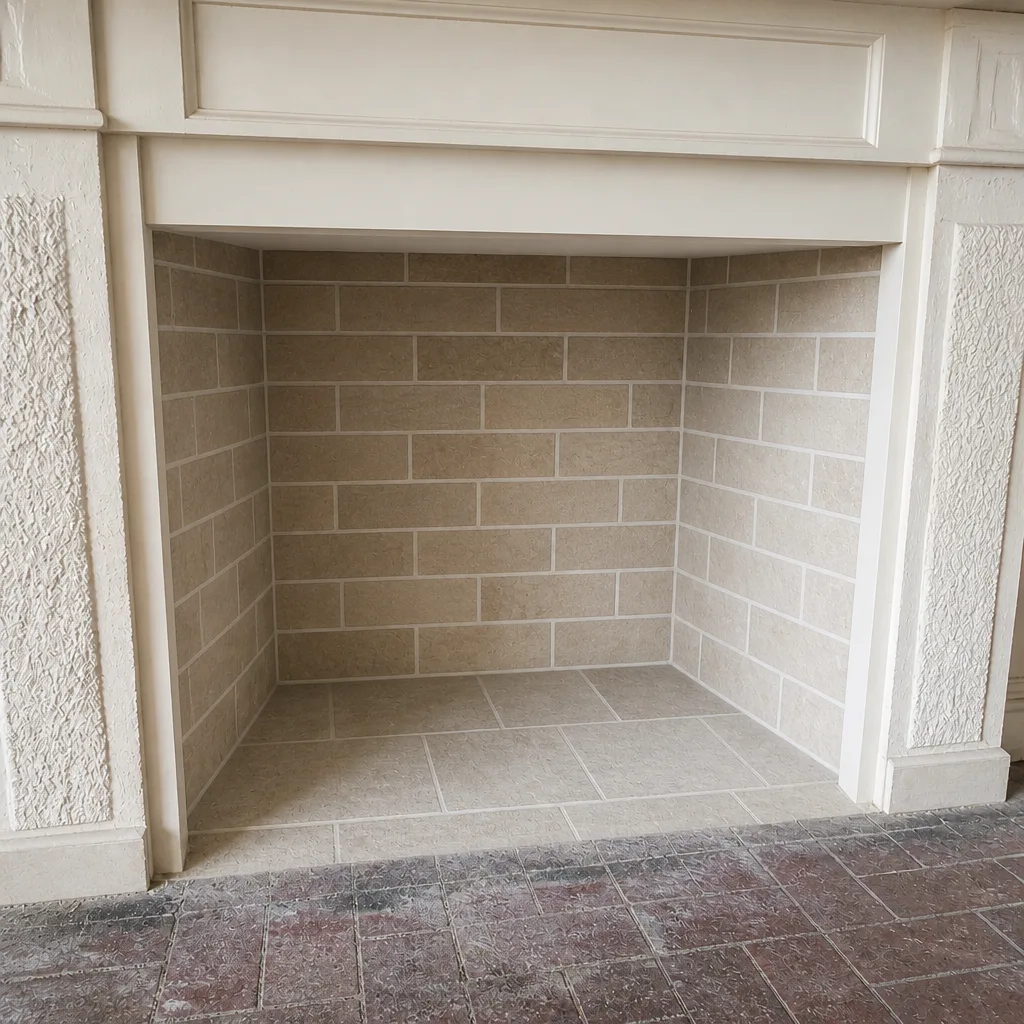 After
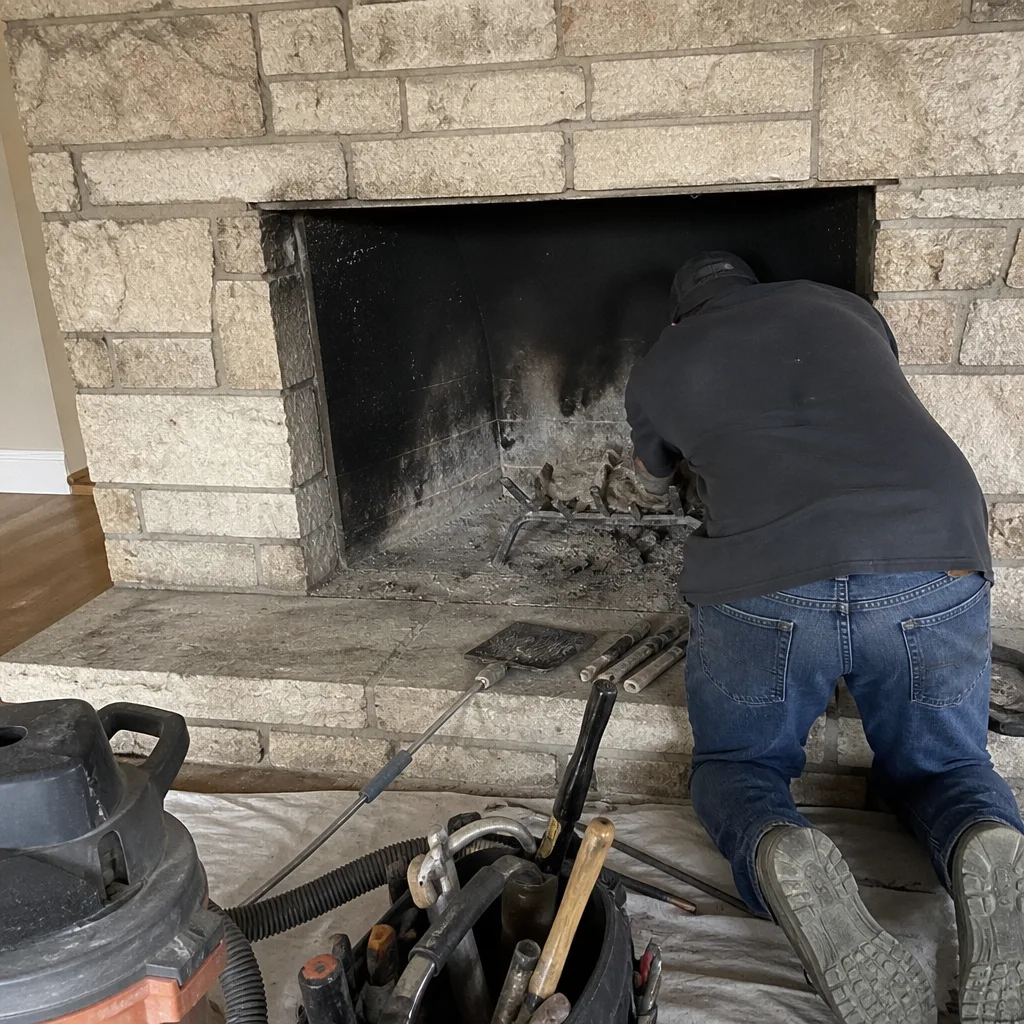 Before
 After
 Before
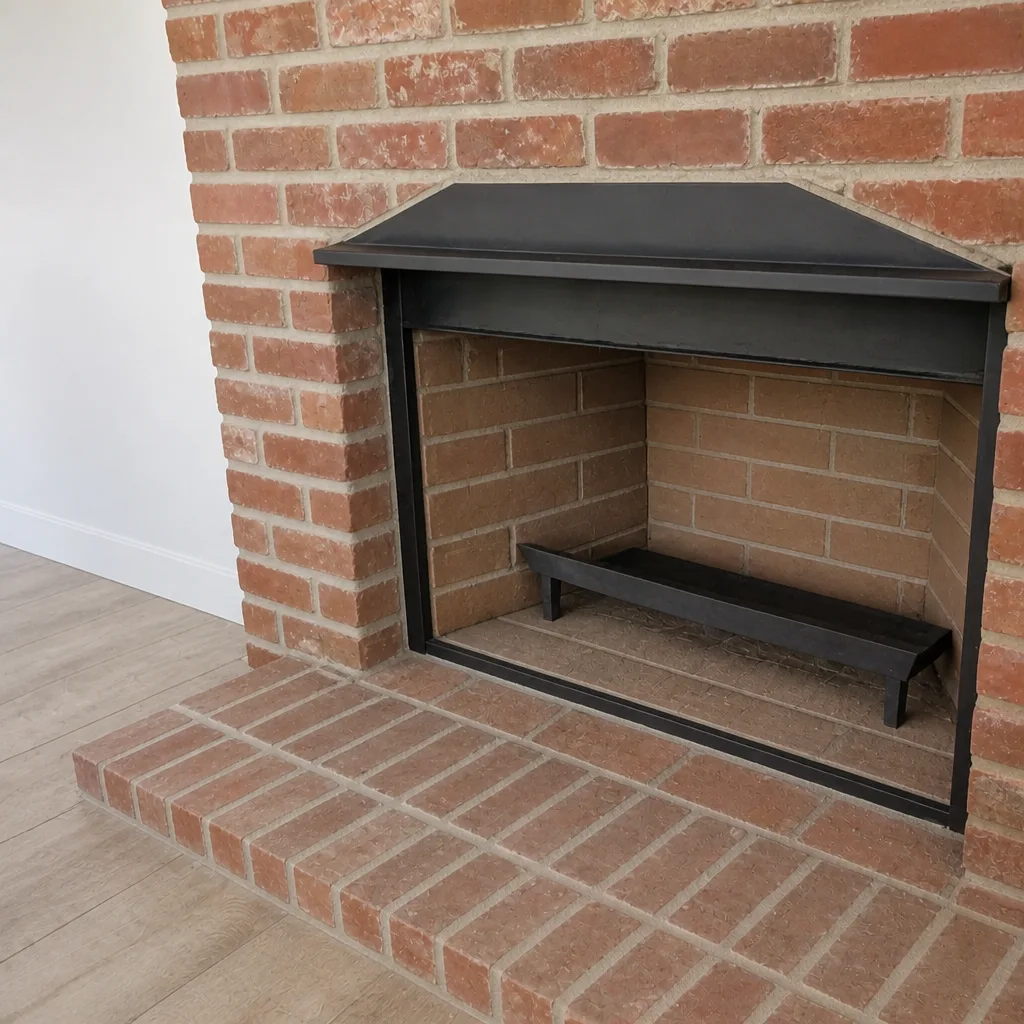 After
When to Call a Professional
If any of the following describes your situation in Westminster, it’s time to call. You’ve just bought a home and don’t know the chimney’s history. It’s been more than a year since a professional looked at it. You see or smell something that’s changed – worse draft, smoke in the room, a sour odor. The flue shows heavy, crusty, or glazed buildup. You burn wood as your primary heat. Or you simply want a documented condition report you can keep. Hillcrest Chimney Sweep offers free estimates in Westminster – call (844) 785-0715. We answer 24/7. Fast dispatch from 7am to 7pm, Sunday through Friday. We inspect it, sweep it, and fix it, so you get one point of contact from start to finish. If you’re weighing a specific repair, our chimney repair service starts with the inspection too – nothing gets recommended without camera evidence you can see for yourself.
Frequently Asked Questions
A professional sweep in Westminster is priced per job by a written estimate, so the number depends on the flue’s condition, access, and whether light or heavy deposits are involved. The estimate itself is free. Call (844) 785-0715 for an exact quote – estimates are free.
Only if an inspection shows the current liner is damaged, cracked, or improperly sized for your appliance. A lot of homeowners are told they need a liner when a camera has never actually been run up the flue. We don’t recommend relining without footage and photos you can review. If a DuraFlex flexible liner is genuinely needed, we’ll show you why.
Once a year during active burning season is the usual standard, and more often if you burn heavily or use wood as primary heat. The honest answer depends on buildup, not the calendar – a yearly inspection tells you whether a sweep is actually due that year.
Yes, on a chimney that’s been professionally inspected and graded sound, with light stage 1 deposits and a straightforward flue. It’s not appropriate on an unfamiliar chimney, one with heavy or glazed buildup, or one that’s showing symptoms like poor draft or smoke in the room. If you’re unsure which category you’re in, get the inspection first.
Creosote accumulates whether or not you clean, and once it reaches stage 2 and stage 3 it becomes flammable and harder to remove. A chimney fire is the worst outcome, and the damage it causes to the flue often turns a routine sweep into a repair. Beyond fire risk, blocked flues cause draft problems and carbon monoxide concerns. It’s not a scare tactic – it’s what an inspection is designed to catch before it gets there.
Insurance covers chimney fires, but the claims process is easier when there’s a documented inspection and sweep record. A DIY sweep leaves no paper trail, which can complicate a claim. A professional visit gives you a dated report and photos you can hand to an adjuster if needed. Call (844) 785-0715 to get that record in place before you need it.
The Bottom Line
The DIY chimney cleaning decision comes down to one question: can you accurately assess what the cleaning leaves behind? If a professional has graded your flue sound and the buildup is light, a brush in your own hands is reasonable maintenance, and we’ll say so. If the chimney is unfamiliar, heavily coated, or behaving differently than it used to, brushing it blind is where amateur efforts fall short – and where the real cost hides, in missed creosote staging, invisible crown damage, and a claim record that doesn’t exist. In Westminster, the freeze-thaw swings make the exterior as important as the inside. Get the inspection first. Then decide.
Hillcrest Chimney Sweep works with professional-grade materials from the brands chimney specialists trust – HeatShield ceramic resurfacing for liner repair, Gelco and Olympia Chimney components for caps and ventilation, and DuraFlex when a full reline is the honest call. We inspect it, sweep it, and fix it under one company, so you’re not coordinating three contractors for one chimney. Not sure which side of the decision you’re on? Call (844) 785-0715 for a free estimate. We answer 24/7. Fast dispatch from 7am to 7pm, Sunday through Friday.
Written by the team at Hillcrest Chimney Sweep.