
Last updated November 15, 2026
 Sweep & inspection
 Caps & crowns
 Flue relining
 Masonry repair
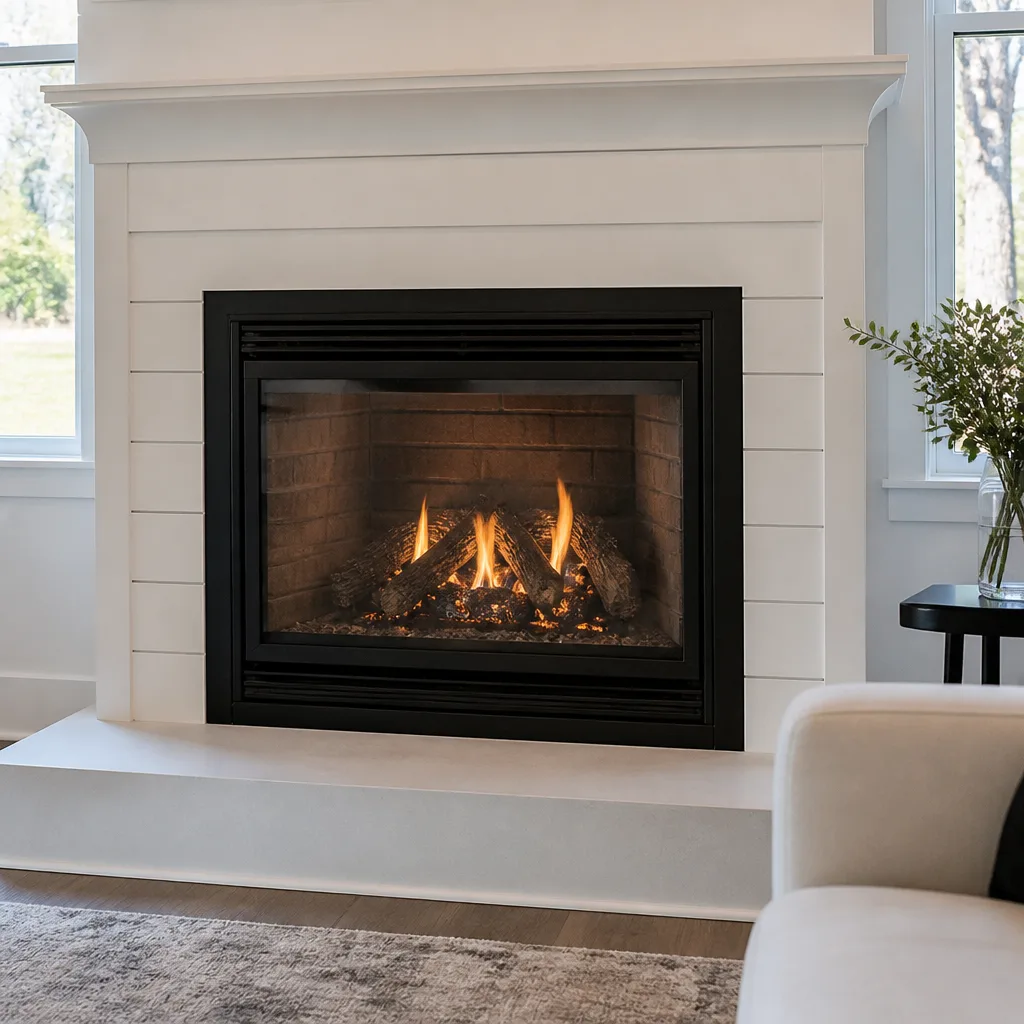 Gas fireplace service
Level 1 sweep and inspection to the NFPA 211 annual standard - flue, crown, cap, and flashing checked and photographed
Chimney sweep logs do not sweep chimneys. They loosen some creosote - which then falls where a brush and vacuum still have to collect it.
How to Hire a Chimney Cleaning Contractor in Westminster: A Step-by-Step Guide
Colorado does not require a state license to clean or inspect chimneys. That means anyone with a brush and a van can take your money, and some do. The most common misconception we run into is that a business card, a magnetic sign, and a confident handshake prove a sweep is qualified. In this guide we’ll walk through the screening process that actually separates trained chimney specialists from generalists who added chimney work to their menu last spring. You’ll learn what CSIA certification means and how to verify it, five interview questions with the red-flag answers to listen for, how to read an estimate line by line, and what a Westminster homeowner should expect from a real sweep.
Quick Answer
To hire a chimney cleaning contractor in Westminster, verify third-party CSIA certification for the technician doing the work, ask whether the company performs liner and masonry repair itself or subcontracts it, request a written estimate with camera inspection and photo documentation included, and insist on a flat price agreed before booking. Vague answers on certification or a price that changes after the work starts are the two biggest warning signs. Everything below explains how to run that check in about ten minutes.
Styles & brands we work with
- Sweep & inspection
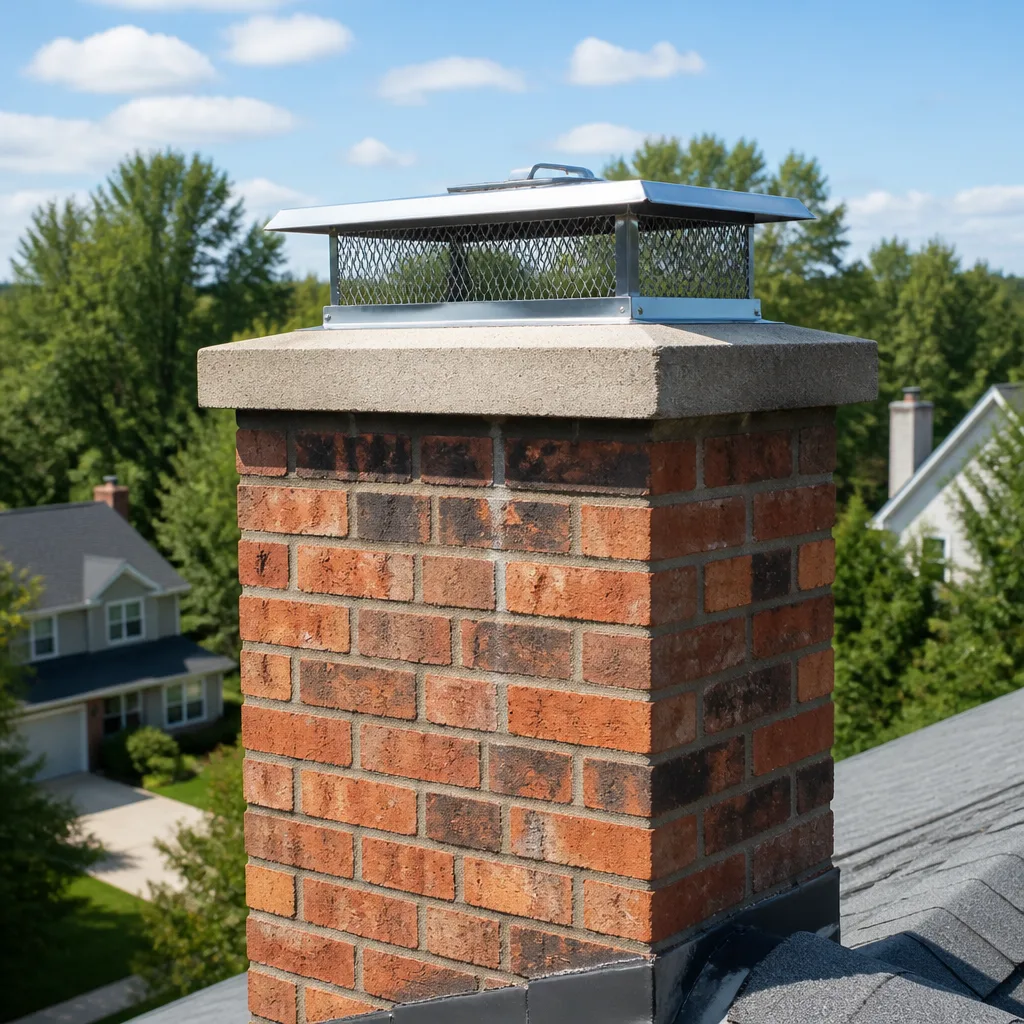
- Caps & crowns
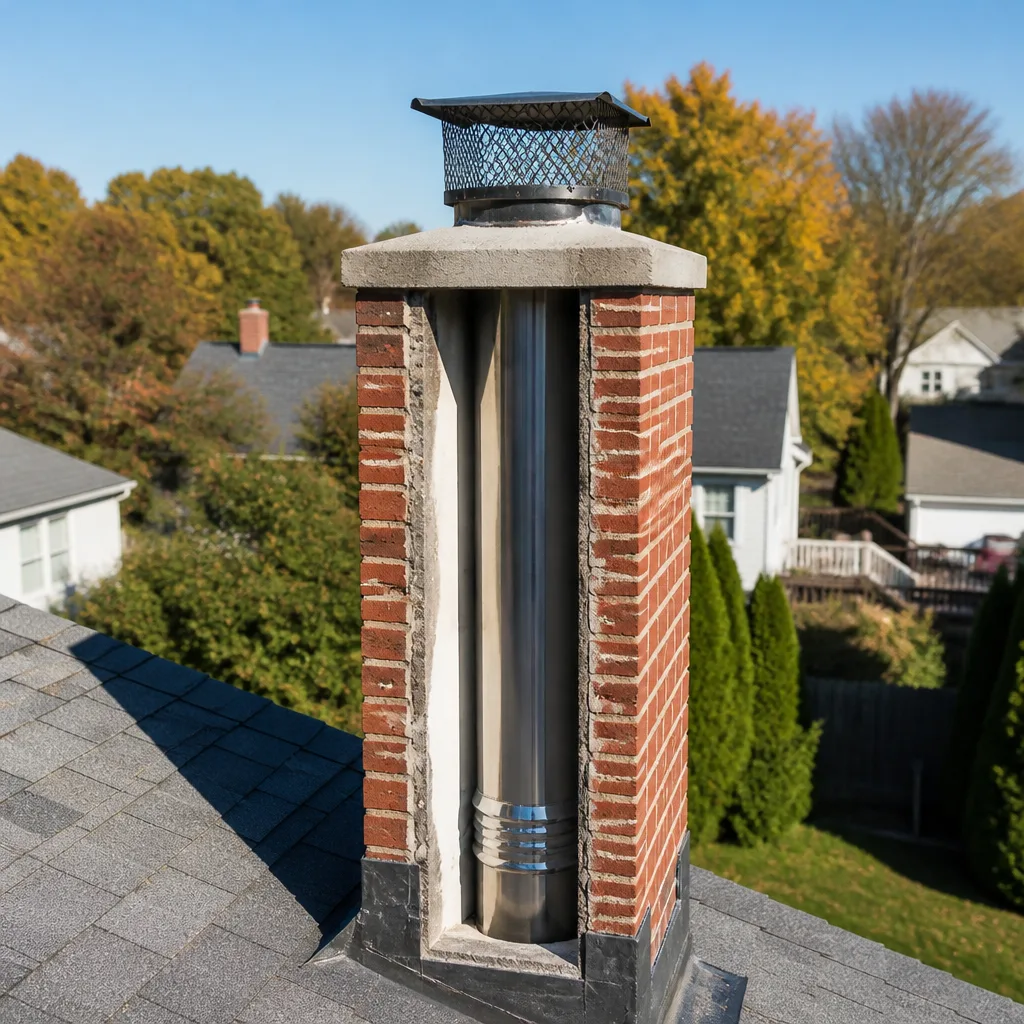
- Flue relining
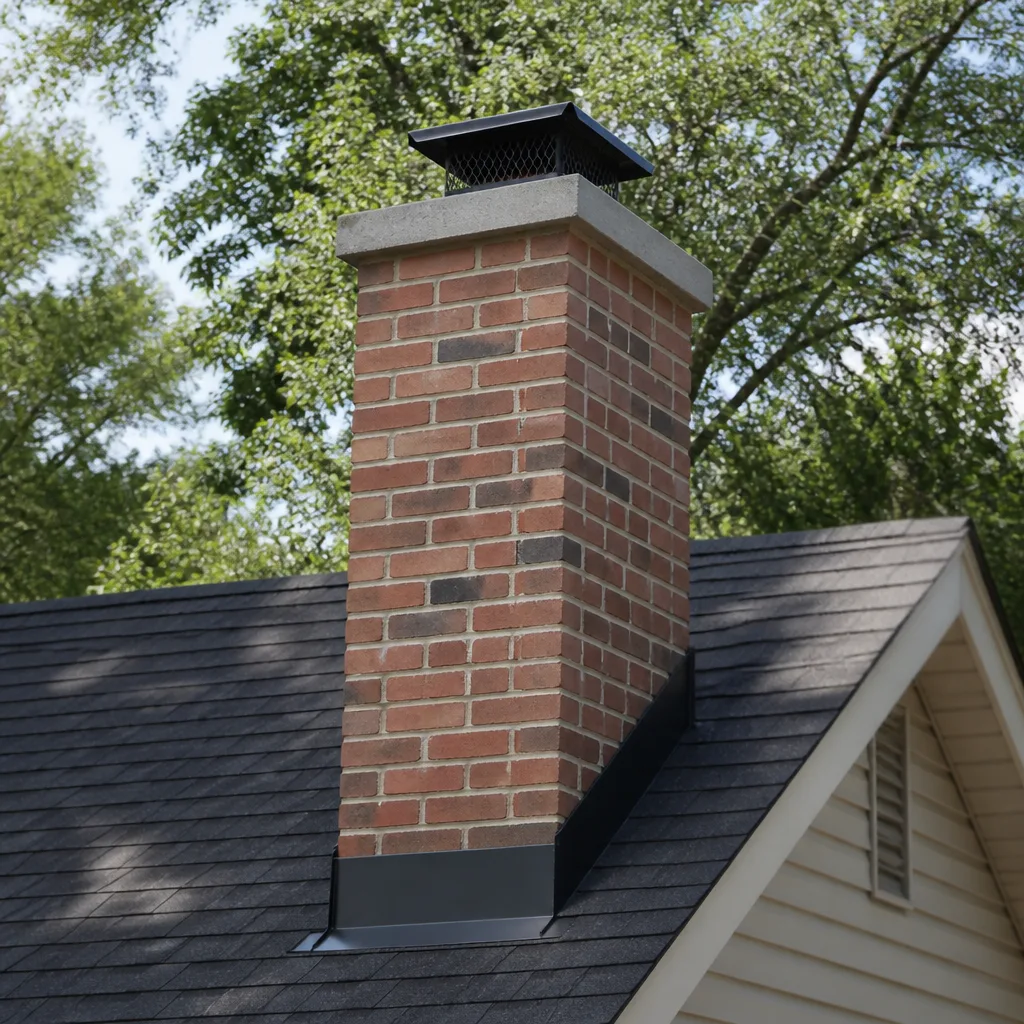
- Masonry repair
- Gas fireplace service
Table of Contents
- Why Colorado’s No-License Rule Changes How You Hire
- What CSIA Certification Actually Means (and How to Verify It)
- Five Questions to Ask Before Booking a Westminster Sweep
- Why Full-Service Generalists Often Fall Short
- How to Read a Chimney Service Estimate
- Sweep vs. Certified Inspector: When You Need Each
- What Westminster Chimneys Face That Others Don’t
- What a Proper Three-Phase Service Looks Like
Why Colorado’s No-License Rule Changes How You Hire
In most states, a chimney sweep operates under some form of trade licensing or registration. Colorado is not one of them. There is no statewide license to clean, inspect, or repair a chimney, which means the credential you’d normally rely on to filter out unqualified contractors simply doesn’t exist here. The burden of vetting falls entirely on you.
That has a practical consequence. In Westminster, the person who arrives to sweep your flue may be a trained specialist who has passed a third-party certification exam, or he may be a general handyman who bought a rotary brush set and watches the same training videos you can find online. From the curb, the two look identical. The truck is unmarked or barely marked either way. The price quote sounds similar. The difference shows up months later, in a cracked flue tile or a creosote glaze that was never properly removed.
What fills the gap left by state licensing is private certification and professional association membership. Those credentials aren’t required by law, which makes them a stronger signal when a company volunteers them. A contractor who has invested in certification training when nobody forced him to is telling you something about how he approaches the trade.
We built Hillcrest Chimney Sweep around exactly this problem. Because there’s no license to fall back on, our answer is specialization and transparency: a technician who does chimney work and nothing else, a documented inspection with photos you can see before any repair is recommended, and a written estimate that sets the price before we book. Our technicians have up to 9 years of experience in chimney-specific work.
What CSIA Certification Actually Means (and How to Verify It)
CSIA certification means a technician has passed a written exam and a field evaluation administered by the Chimney Safety Institute of America, and has committed to continuing education to keep the credential current. It is the closest thing the chimney trade has to a recognized professional standard in the United States, and in a state with no licensing requirement, it’s the minimum bar you should set.
Two things are worth understanding about what certification does and doesn’t certify.
- It’s held by individuals, not companies. A business can advertise that it employs certified sweeps, but the credential belongs to the person. Ask which certified technician will actually be in your home, and don’t accept “we’re all certified” without a name and a number you can look up.
- It covers the person, not every service. Certification confirms training in sweeping and inspection fundamentals. It doesn’t automatically make the holder a mason or a liner installer, so ask separately about repair experience.
Verification takes a few minutes. The CSIA maintains a public directory of certified professionals that you can search by name or by ZIP code. A legitimate company will give you the technician’s name and certification number without hesitation, and it will match what you find in the directory. If the person on the phone can’t produce a name, or tells you certification is “in progress,” treat that as an honest answer but a lower bar than you asked for.
Certification is not the only credential worth asking about, but it is the one that reliably separates people who have been tested on chimney science from people who haven’t. Set it as your floor, then evaluate everything else on top of it.
Five Questions to Ask Before Booking a Westminster Sweep
These five questions take about ten minutes on the phone and will tell you more than any website. For each one, we’ve included the answer that should make you proceed and the answer that should make you call the next company on your list.
- “Who is performing the work, and are they CSIA certified?” Good answer: a specific technician name and a certification number you can verify. Red flag: “All our guys are trained” with no names, or a promise that a certified tech will supervise an uncertified one.
- “Do you do liner and masonry repair yourselves, or do you subcontract it?” Good answer: the same company handles repair, with specifics about products and methods. Red flag: “We’ll bring in a guy” or “We refer that out,” which means nobody is accountable for the whole system.
- “Will you do a camera inspection, and will I get photos?” Good answer: yes to both, and a photo report you keep. Red flag: a visual check from the firebox only, or “photos cost extra.”
- “How is the price set, and can it change after you start?” Good answer: a flat price quoted before booking, with any additional work priced separately and approved by you in writing. Red flag: an hourly rate, a “starting at” price, or a quote that “depends what we find” with no agreed cap.
- “What happens if the sweep uncovers a problem?” Good answer: they document it, explain what’s urgent and what can wait, and let you decide. Red flag: pressure to approve liner or masonry work on the spot, especially before you’ve seen any evidence.
One more thing to listen for: whether the person on the phone asks you anything. A specialist will want to know what kind of appliance you burn, when you last had service, and whether you’ve noticed draft problems. If the call is entirely about scheduling and price, the company may be running a volume operation rather than a chimney practice.
Why Full-Service Generalists Often Fall Short
A generalist can sweep a chimney. What a generalist usually can’t do is evaluate the whole system when the sweep uncovers something wrong. HVAC companies and handymen who add chimney work to their menu are set up for a brush-and-vacuum job. The moment a flue liner is cracked, a crown is failing, or a cap is missing, the generalist has two choices: refer you out to someone else, or attempt work outside their training.
This matters most in three areas:
- Liner condition and sizing. Reading a liner requires knowing what a properly sized flue looks like for your appliance, how to spot deterioration from the inside, and when relining is a real need versus a sales pitch. Flexible liner systems like DuraFlex exist because relining is a specialty job with specific installation requirements, not a universal upsell.
- Liner repair and resurfacing. Ceramic resurfacing products like HeatShield are professional-grade materials applied by trained installers. A generalist typically doesn’t carry them or know when they’re appropriate versus when a full reline is the honest call.
- Caps, crowns, and ventilation hardware. The components that keep water and animals out of a chimney are easy to install badly. Products from Gelco and Famco are purpose-built for chimney tops, and knowing which cap fits which flue is part of the trade.
The other cost of a generalist is coordination. If the sweep is one company and the repair is another, the second contractor has to re-diagnose the problem the first one found, and nobody owns the outcome. A single specialist who inspects, sweeps, and repairs under one roof removes that handoff.
How to Read a Chimney Service Estimate
A legitimate chimney estimate is itemized, written, and sets a flat price before work begins. Everything you need to judge it is in the line items: what’s included, what’s excluded, and whether the scope matches what the inspection found.
Here’s what a proper estimate should always contain:
- The service scope in plain terms. “Sweep and inspection of a wood-burning fireplace flue” is specific. “Chimney service” is not.
- Camera inspection with photo documentation included in the base price. Photos are the evidence for any repair recommendation, and they should never be an add-on.
- A flat, per-job price. Not an hourly rate and not a “starting at” figure.
- Any recommended repairs priced separately, with the reason for each one stated in a sentence you understand.
- What happens to debris and soot, and whether floor protection is included.
- Product names for any repair materials if liner, cap, or crown work is proposed. A specialist will name what they intend to install.
Certain language should make you slow down. “We’ll see when we get there” on the price means you’re buying an open-ended job. “Recommended liner replacement” with no photos or measurements is an assertion, not a diagnosis. And a quote that arrives before anyone has looked inside the flue is a guess, however confident it sounds.
The same standard applies whether the repair is a routine sweep or structural. Our approach to chimney repair is to recommend nothing without camera evidence you can look at yourself, and to tell you plainly when work can safely wait a season.
Sweep vs. Certified Inspector: When You Need Each
A sweep cleans the flue. A certified inspector evaluates the entire system and documents its condition. They’re different services, often performed by the same company and sometimes in the same visit, but you should know which one you’re buying.
Sweeping removes creosote, soot, and blockages so the chimney vents safely. It’s the routine maintenance service, and for a wood-burning fireplace it’s typically needed on a regular schedule tied to how much you burn. Inspection goes further: it covers the flue interior, the firebox, the damper, the crown and cap, and the exterior structure, and it produces a report with photos and a condition assessment.
Which one do you need?
- Annual or seasonal maintenance on a chimney in known-good condition: sweep plus a basic inspection.
- Newly purchased home: a full inspection before you rely on the fireplace, since you have no service history to go on.
- Draft problems, smoke in the room, or odors: inspection first, then any cleaning the inspection calls for.
- No service in over a year, or an unfamiliar appliance: a full inspection is the honest starting point.
- Considering a liner or structural repair: a documented inspection is what justifies the work and what you’ll want in hand for a second opinion.
If you’re not sure which you need, ask the company to explain the difference and recommend one. A specialist who sells both will give you a straight answer about which service fits your situation.
What Westminster Chimneys Face That Others Don’t
Westminster sits between the plains and the foothills, and that location shapes what happens to chimneys here in ways a coastal or humid-climate guide won’t cover. The freeze-thaw cycle is the big one. Water gets into masonry at the crown, around the flashing, or through a hairline crack, freezes overnight, expands, and opens the crack wider. Repeat that across a Front Range winter and a crown that was sound in October can be failing by March. That’s why we look hard at the crown, the cap, and the flashing on every Westminster inspection, not just the flue interior.
Our dry air and long burn season matter too. Many households burn steadily from fall into spring, which builds creosote faster than a mild climate would. Wood that isn’t fully seasoned makes it worse. If you’ve been burning damp wood or noticing a glaze on the flue walls, that’s a reason to schedule service rather than wait for the next cold snap.
The local housing stock adds another variable. Westminster has a wide mix of home ages, from mid-century houses with original masonry fireplaces to newer construction with factory-built systems. Those two categories need different care: older masonry flues commonly have clay tile liners that crack with age, while factory-built units have manufacturer-specific venting that must be serviced to spec. An inspector who knows which one you have will ask before arriving.
Draft problems also come up regularly in homes near the foothills, where wind and pressure differences can push smoke back down a flue. A proper inspection checks whether the issue is a blockage, an undersized flue, or a cap or termination problem, and fixes the actual cause rather than guessing. A reliable chimney sweep in Westminster will have seen all of these many times over.
What a Proper Three-Phase Service Looks Like
The cleanest way to structure chimney care is a single cycle: inspect, sweep, repair. Each phase feeds the next, and doing them under one company means nobody has to re-diagnose what the previous contractor found.
- Inspect. A visual and camera evaluation of the full system: flue interior, firebox, damper, crown, cap, and exterior. You get a photo report and a plain-spoken condition summary distinguishing what’s urgent from what can wait.
- Sweep. Cleaning of the flue and firebox to remove creosote, soot, and any blockage. Floor protection goes down, and the workspace is left clean. The price for the sweep is the flat price agreed before booking.
- Repair. Only what the inspection evidence supports: a cracked crown, a missing or damaged cap, a failing liner. Depending on what’s found, repair may involve a flexible liner system such as DuraFlex, ceramic resurfacing with HeatShield, or replacement of a Gelco or Famco cap or vent component. Any of it comes with a written scope and a price before work starts.
That cycle is what “full-service” should mean. It’s not that the same person does everything poorly; it’s that one company owns the whole system, from inspection through completed repair, and you have a single point of contact the entire way. Our technicians have up to 9 years of experience working within exactly this cycle, and we work with professional-grade materials from recognized chimney-industry suppliers because the wrong components fail early.
Common Mistakes to Avoid
- Hiring on price alone. The lowest quote in a market with no licensing requirement is often the one with the least training behind it. Compare scope and credentials, not just the number.
- Accepting an inspection without photos. If you can’t see the inside of your own flue, you have no way to evaluate a repair recommendation. Ask for the report before you decide.
- Letting a sweep upsell repair on the spot. A sound recommendation can survive until tomorrow. Pressure to approve liner or masonry work before you’ve reviewed evidence is a reason to pause.
- Skipping service because you burn “a little.” Even light use builds creosote over time, and a Westminster freeze-thaw winter can open cracks in masonry regardless of how often the fireplace runs.
- Assuming the HVAC company handles it. A generalist may sweep competently and still lack the training to assess your liner, crown, or venting. Confirm the repair side before you book.
- Booking based on a “starting at” price. Open-ended pricing is how estimates turn into surprises. Insist on a flat, per-job price agreed before the visit.
- Never asking which certified technician is coming. Certification belongs to a person. If no name is given, you can’t verify anything.
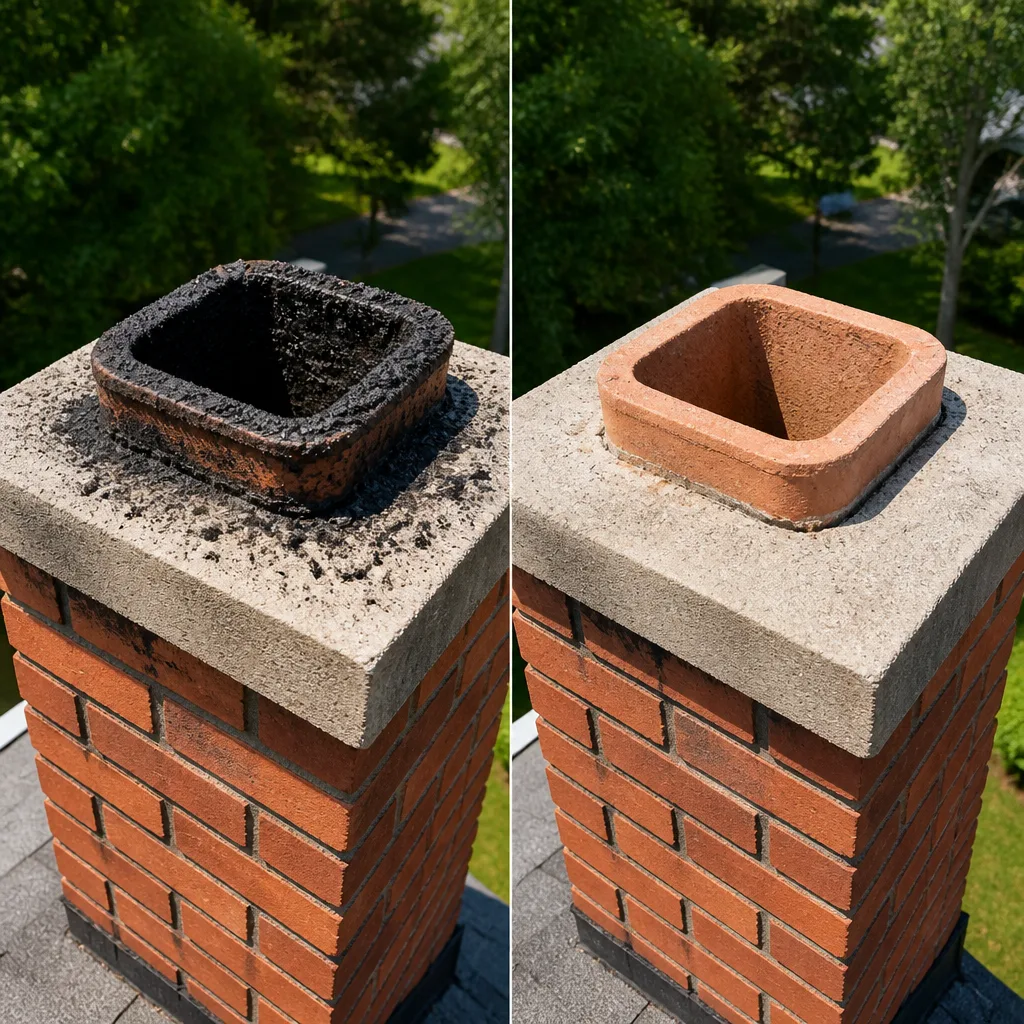
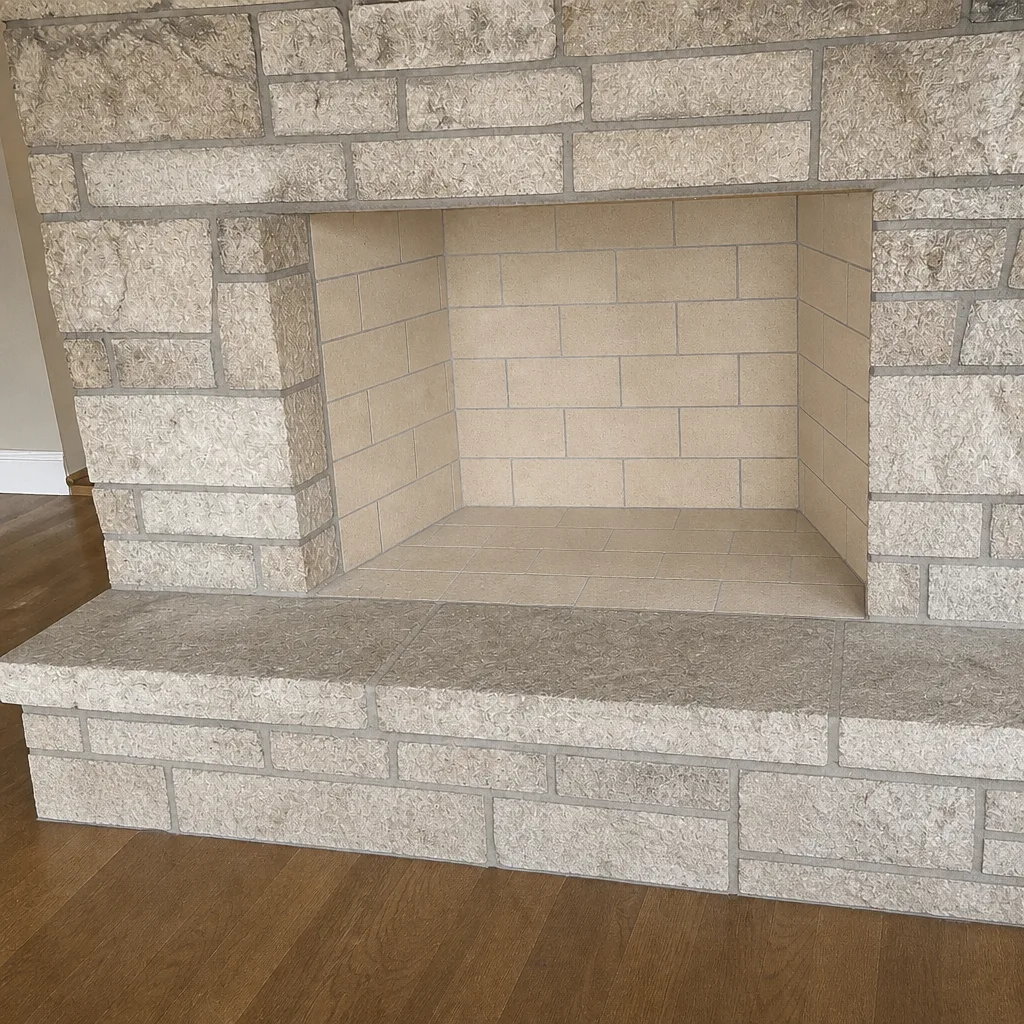
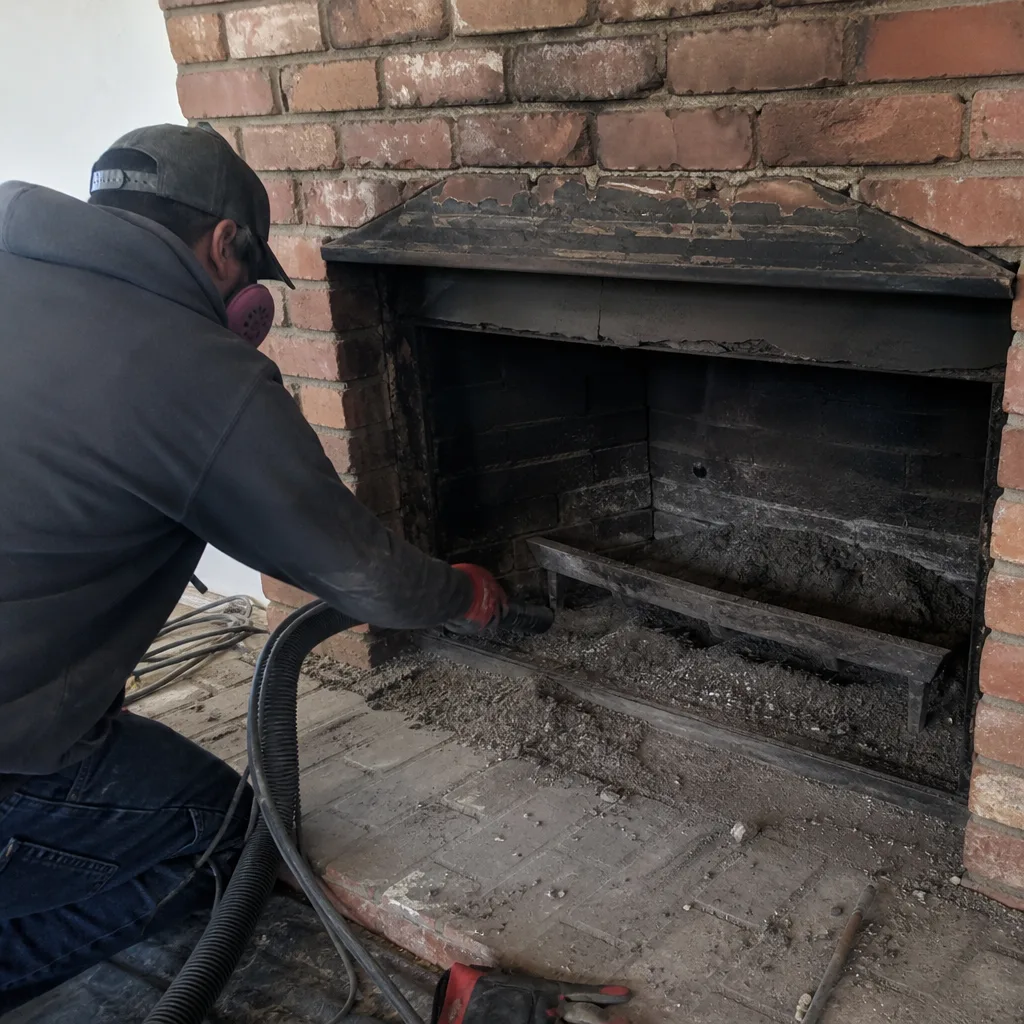
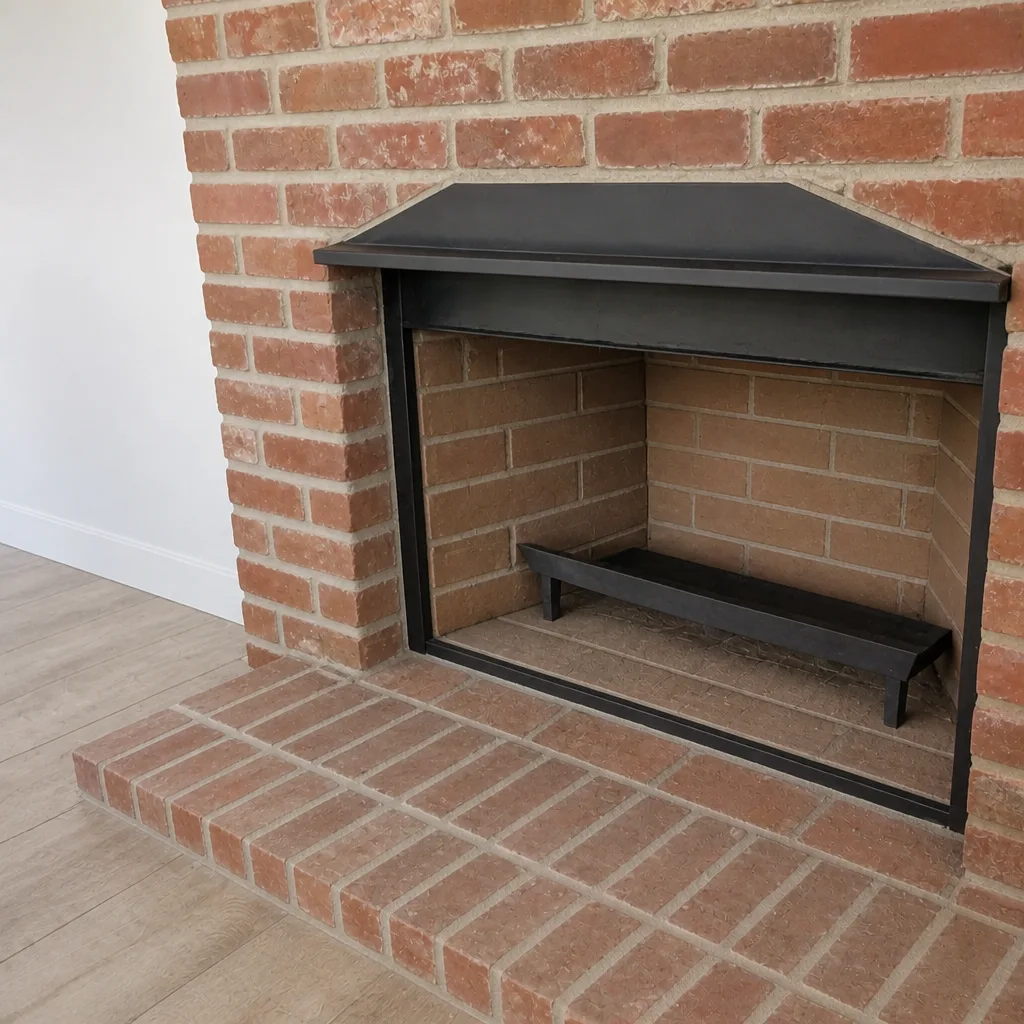
See the difference
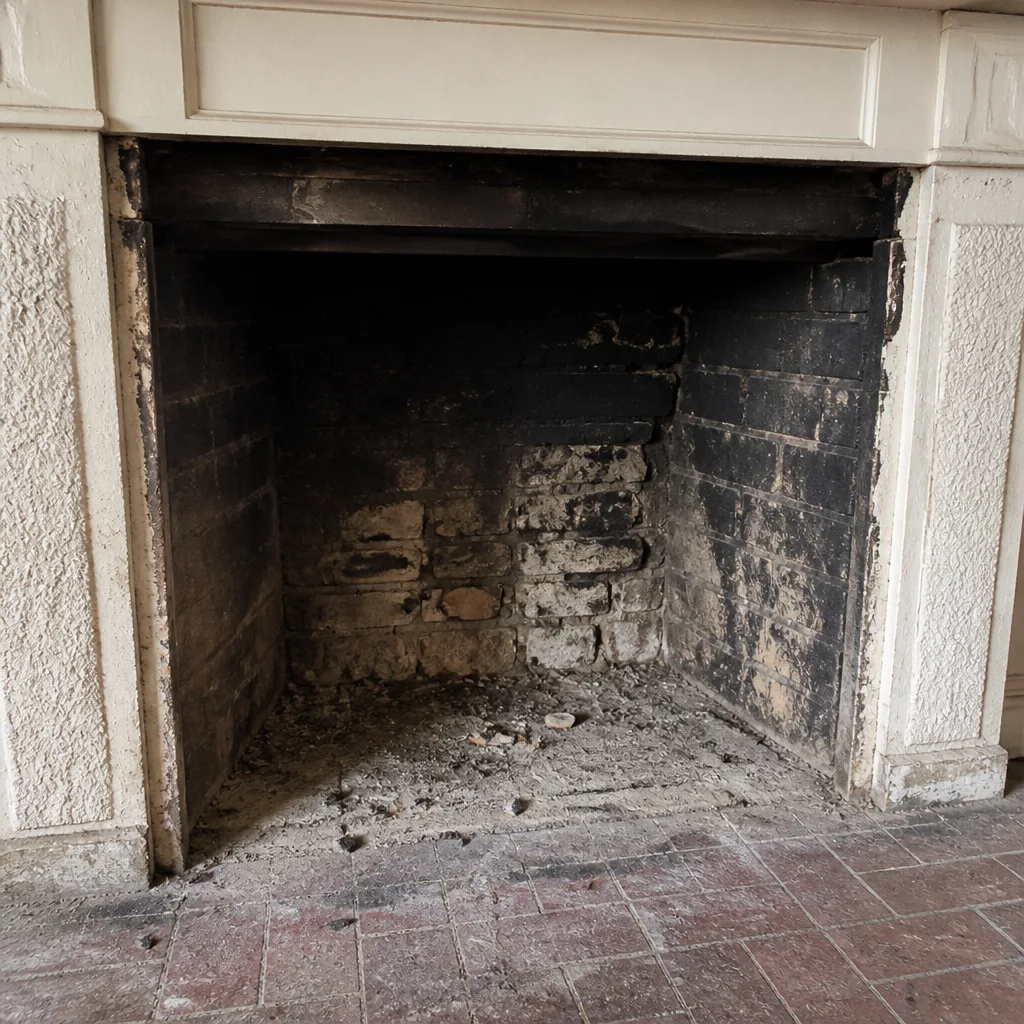 Before
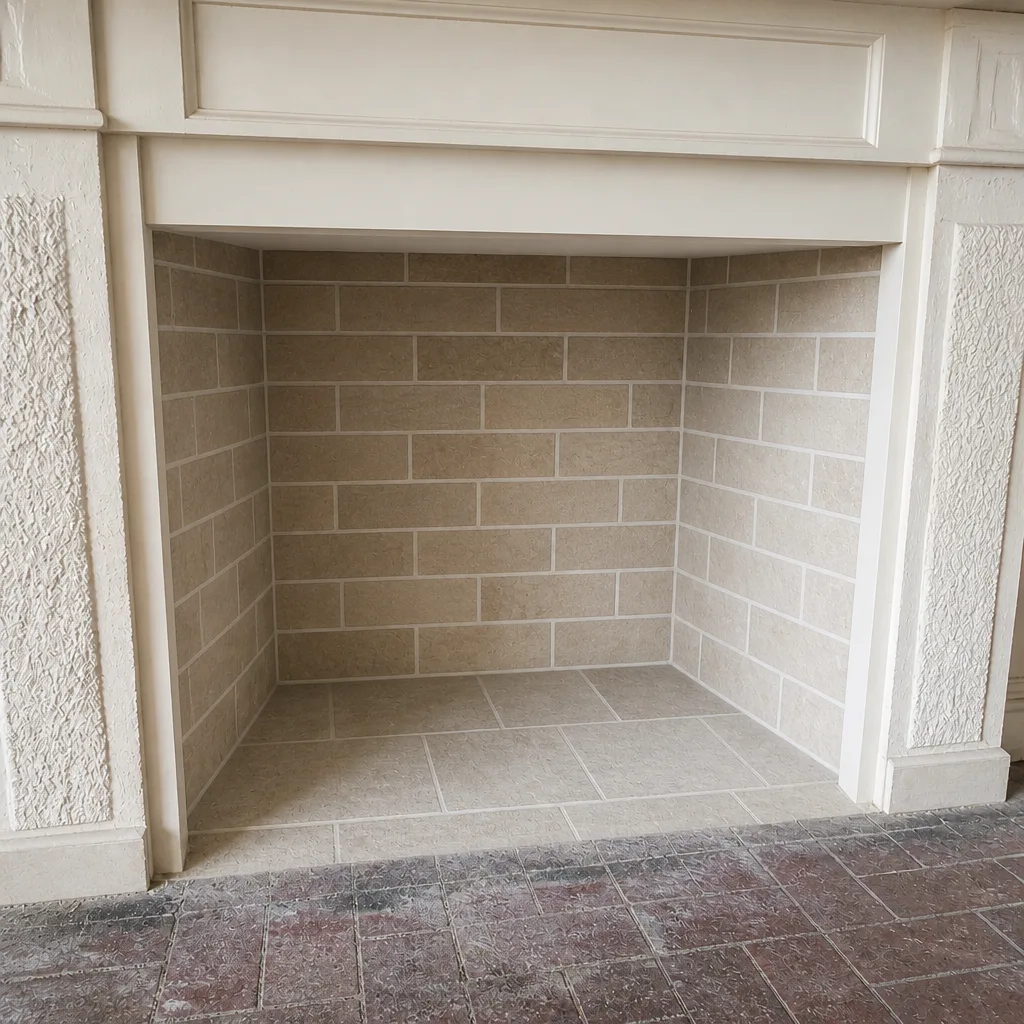 After
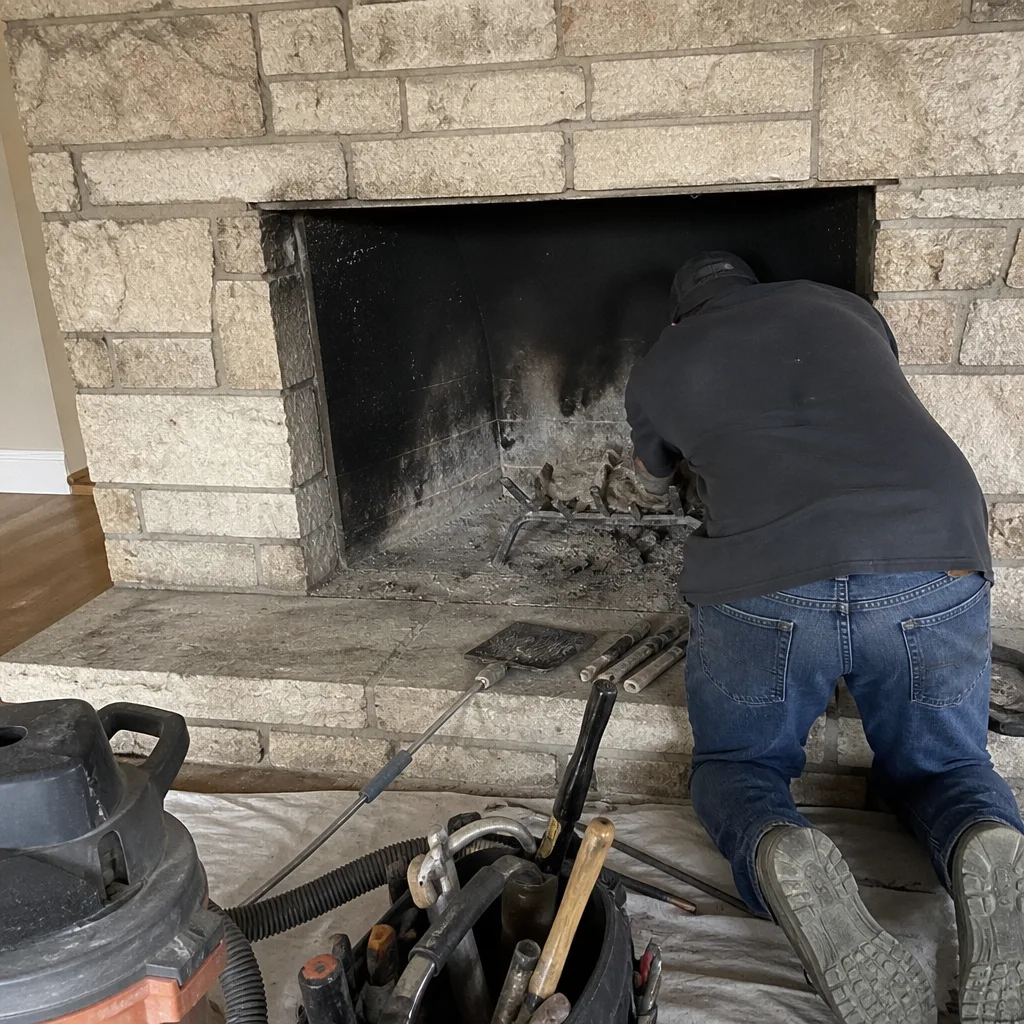 Before
 After
 Before
 After
When to Call a Professional
Call a professional if you’ve just bought a home and have no service history, if it’s been over a year since your last inspection, or if you’re seeing smoke spill into the room, a persistent odor, or a draft that never worked right. Call after any chimney fire, however small, and after severe weather if you suspect the crown or cap took damage. Call before you burn for the season if you’ve been using damp wood or burning heavily. And call if a generalist has recommended expensive liner or masonry work you can’t verify; a specialist with a camera will tell you whether that work is real. Hillcrest Chimney Sweep offers free estimates in Westminster. Call (844) 785-0715. We answer 24/7. Fast dispatch from 7am to 7pm, Sunday through Friday.
Frequently Asked Questions
Ask the company for the name and certification number of the technician who will perform the work, then look it up in the CSIA’s public online directory. If the name and number match, you’ve confirmed the credential. If the company can’t provide a specific name, you have no way to verify anything, which is your answer.
No. Colorado does not require a state license to clean, inspect, or repair chimneys, which is why private certification and specialization matter so much here. Because there’s no license to check, a homeowner has to ask directly about training, certification, and repair capability. Call (844) 785-0715 for an exact quote – estimates are free.
Not automatically, but price alone tells you almost nothing in an unlicensed market. The lowest quote often reflects the least training, and the cost of a botched sweep or a missed liner crack runs far higher than the difference between bids. Compare credentials, inspection practices, and estimate detail instead of the headline number.
For a household that burns regularly through the fall and winter, annual service is the standard, and heavy burning or damp wood may call for more frequent checks. Westminster’s long burn season and dry air build creosote steadily, so a once-a-year inspection is a reasonable baseline. Call (844) 785-0715 to book a sweep and get a straight answer for your situation.
Anyone can push a brush, but evaluating a liner, crown, or venting system takes specific training a generalist usually doesn’t have. The risk shows up when a sweep uncovers a real problem and the person holding the brush isn’t qualified to assess it. Ask before booking whether the company does its own liner and repair work.
A proper inspection covers the flue interior by camera, the firebox, damper, crown, cap, and exterior masonry, and it produces a photo report with a written condition summary. It should distinguish what’s urgent from what can wait and recommend repairs only where the evidence supports them. If a company can’t show you photos, it hasn’t really inspected anything.
The Bottom Line
Hiring a chimney contractor in Westminster comes down to verification, because the state doesn’t do it for you. Confirm CSIA certification for the technician doing the work, ask whether the company handles its own liner and repair, and insist on a camera inspection with photos and a flat price agreed before booking. Treat vague answers on any of those three as a reason to keep looking. A specialist who inspects, sweeps, and repairs under one roof removes the handoffs and gives you a single accountable contact from start to finish. When you’re ready to book, call (844) 785-0715 for a free estimate. We answer 24/7. Fast dispatch from 7am to 7pm, Sunday through Friday.
Written by the team at Hillcrest Chimney Sweep.